
Introduction
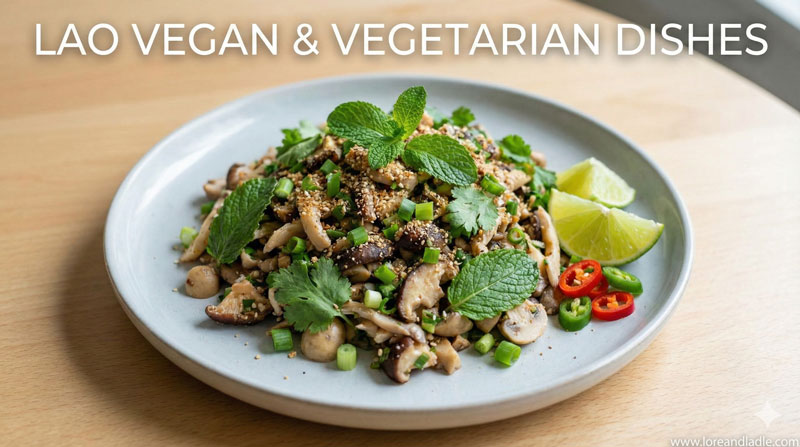
The Fresh Herb–Lovers Guide to Lao Vegan & Vegetarian Dishes Is a celebration of plant-forward cooking that shines through in Lao kitchens. This dish invites readers to explore a bright, herb-forward world where greens, spices, and citrus carry the palate. It stands as a tribute to careful sourcing, balance, and the everyday beauty of fresh ingredients. Expect crisp textures, fragrant aromas, and a distinctive vibrancy that comes from the generous use of fresh herbs. In this introduction, you will sense how a single plate can reflect a culture’s warmth, technique, and seasonal rhythms.
The Aromatic Heart of Lao Cooking
Herbs are the heartbeat of Lao cuisine. Fresh mint, cilantro, Thai basil, and scallions gild many dishes with aroma and brightness. Lemongrass and lime zest provide citrus depth, while dill, culantro, and other leafy greens add subtle nuance. This herb-forward approach creates a lively contrast with earthy staples like sticky rice and tofu or vegetables. The result is a dish that feels light yet satisfying, with layers of aroma arriving in quick, refreshing waves. The Fresh Herb–Lovers Guide highlights how herbs can define a meal, turning simple ingredients into expressive, memorable flavors. The attention to fresh herbs also reflects Lao culinary values: seasonality, balance, and restraint, so each bite remains clean and distinct.
Vegetarian and Vegan Threads in Lao Cuisine
Laotian cooking often emphasizes vegetables, tofu, and mushrooms as star ingredients. In this guide, plant-based dishes are not merely substitutes; they are the core expression of flavor. Expect bright lime, gentle chili heat, garlic, and a chorus of chopped herbs that lift vegetables and grains. The vegan and vegetarian versions honor the same techniques used in meat-inclusive dishes, but they celebrate the freshness of plants. For instance, herbs are added at the end to preserve their aroma, while sauces use soy or mushroom-based bases to provide depth without overpowering the greens. This approach yields meals that feel light, nourishing, and deeply satisfying. The guide invites cooks of all levels to experiment with herb choices, textures, and color to create dishes that feel both traditional and modern.
Key Herbs and How They Shape Flavor
- Fresh mint: cool brightness that wakes the palate
- Cilantro: citrusy top notes with a grassy finish
- Thai basil: hints of anise and pepper
- Lemongrass: lemony sharpness that cleanses the palate
- Dill or culantro: delicate, herbaceous undertones
- Lime zest and juice: essential acidity to balance richness
The careful combination of these herbs creates a harmony that makes Lao vegan and vegetarian dishes feel complete. Each herb plays a role, from aroma to texture, guiding the overall impression of the plate.
Techniques that Elevate Fresh Herb Dishes
Simple steps lift the dish. First, rinse herbs thoroughly to retain their sharp scents. Next, chop herbs finely to release essential oils without overpowering the plate. Then, fold herbs in at the final moment to preserve brightness. Finally, pair herbs with crunchy vegetables, soft grains, and a light, savory sauce to achieve balance. These techniques ensure the dish remains lively on the tongue and elegant on the plate. The guide emphasizes thoughtful timing and gentle handling to preserve the herb’s character, delivering a crisp, fresh finish in every bite.
Cultural Values Reflected on the Table
Shared meals are a cornerstone of Lao dining culture. The Fresh Herb–Lovers Guide mirrors this practice by focusing on ingredients that can be prepared quickly for gatherings or savored slowly for intimate meals. Markets brim with fresh herbs, crisp vegetables, and tofu, inviting cooks to create plates that reflect daily life and seasonal abundance. The dish embodies hospitality, as the bright flavors welcome guests and invite conversation. It also celebrates craftsmanship—how careful knife work, timely herb addition, and mindful seasoning transform humble ingredients into something memorable. In this way, the dish becomes a doorway into cultural appreciation, encouraging cooks to honor local produce and traditional methods.
Plating, Texture, and Sensory Experience
Visual appeal matters in Lao vegan dishes. A vibrant bowl or plate highlights emerald greens, pale grains, and the glow of citrus. The texture balance—crunchy herbs, crisp vegetables, and tender grains or tofu—delivers satisfaction across several bites. The aroma, released as the dish warms, draws diners in and invites them to savor the layers of flavor. The Fresh Herb–Lovers Guide teaches How to present food so that it is both appetizing and welcoming, encouraging mindful eating and a sense of place.
The Plate as a Portal to Everyday Lao Life
This dish bridges daily cooking and festive meals. It demonstrates how Lao cuisine can be vibrant, accessible, and deeply rooted in fresh ingredients. By foregrounding herbs, the dish connects cooks to farmers, markets, and seasonal cycles. The result is a plate that feels local, alive, and respectful of the land and its producers. It also serves as an invitation to partake in a shared culinary practice that value-creates memory, tradition, and joy around the table.
Conclusion: Embracing the Fresh Herb Culture
The Fresh Herb–Lovers Guide to Lao Vegan & Vegetarian Dishes offers more than a meal; it presents a philosophy. It invites cooks to honor fresh herbs, nurture plant-based cooking, and celebrate Lao culinary artistry. With bright flavors, careful technique, and a welcoming spirit, this dish stands as a graceful example of Lao food culture. Explore its herb-forward approach, savor the balance of tastes, and let the plate illuminate the beauty of Lao cuisine in every bite.