
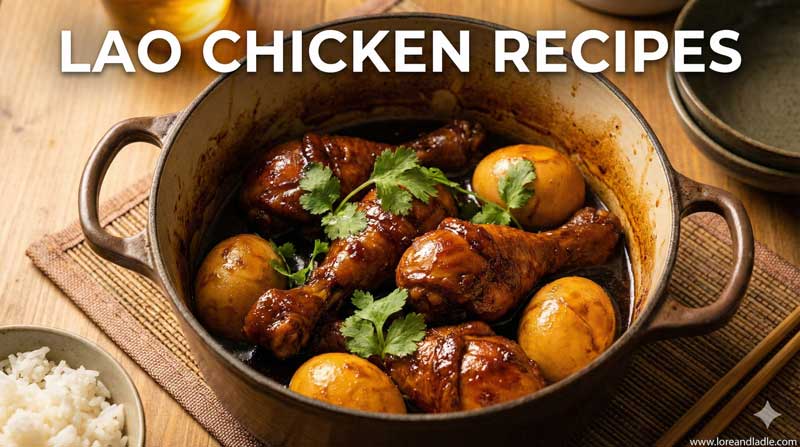
Discovering Balanced Lao Chicken: A Window into Lao Culture
Balanced Lao Chicken Recipes Ideas with Veggies and Grains invites us into a everyday dining tradition that values harmony. In Lao homes and markets, meals are a thoughtful blend of protein, fresh vegetables, and wholesome grains. This dish is not just food; it is a reflection of how Lao cooks see balance, seasonality, and shared moments around a table. The dish highlights simple steps, bright flavors, and a sense of place that comes from daily life in Laos. When we explore it, we glimpse a culture that honors nourishment, community, and a deep respect for ingredients.
The Harmony at the Heart of Lao Cuisine
Lao cooking celebrates freshness, clarity, and depth. Aromatics such as lemongrass, garlic, shallots, and herbs greet the palate, while fish sauces and lime bring brightness and a gentle savor. The approach is direct: vegetables, grains, and carefully prepared chicken come together in a single plate or bowl. This balance mirrors a philosophy of harmony: no single element overwhelms the others, and every bite offers a blend of textures and tones. The result is food that feels honest, inviting, and memorable.
Core Idea: Veggies, Grains, and Chicken in One Plate
Balanced Lao Chicken with Veggies and Grains centers around three simple pillars:
– Protein: tender chicken pieces, seasoned without heaviness.
– Vegetables: crisp, colorful produce that carries fresh flavor.
– Grains: sticky rice or another grain that provides a nutty contrast and satisfying chew.
Together, these components create a complete, satisfying meal. The concept encourages cooks to think about color, texture, and balance, not just taste. The same approach can adapt to what’s local and seasonal, making every version a celebration of place and season.
Key Ingredients that Define the Style
If you visit a Lao kitchen, you’ll often find:
– Chicken: thighs or breast, cooked to tenderness and flavored with light seasonings.
– Vegetables: carrots, green beans, bell peppers, cabbage, or leafy greens; sliced to bright, crunchy pieces.
– Grains: sticky rice is iconic, but brown rice, jasmine rice, or other grains can also fit the concept.
– Aromatics and herbs: lemongrass, garlic, shallots, and fresh herbs like cilantro, mint, or Thai basil.
– Flavor boosters: fish sauce (or padaek for a richer touch), lime juice, and a touch of palm sugar or honey to balance acidity and salt.
These ingredients come together with simple technique, letting freshness and balance take center stage.
Practical Elements: How to Build a Balanced Plate
Creating a plate that expresses Lao balance is straightforward:
– Start with the grain as the base. Allocate a generous portion of sticky rice or your chosen grain.
– Add protein in small to moderate amounts so vegetables and grain share equal presence.
– Load in vegetables for color and crunch, aiming for a mix of textures.
– Finish with bright herbs and a light drizzle of lime and fish sauce.
The goal is harmony: each bite should offer a touch of savory, a lift of acidity, and a crisp-clean finish. This approach makes the dish suitable for everyday meals and for gatherings.
Techniques That Elevate Flavor and Texture
A few thoughtful techniques can elevate this dish without complicating the process:
– Light marination: a brief mix of chicken with a splash of fish sauce, lime, and a hint of garlic helps tenderize and season without overpowering.
– Quick stir-fry or sauté: cook chicken until just done, then add vegetables to maintain brightness and crunch.
– Gentle steaming or blanching: vegetables stay vibrant and crisp when briefly blanched before joining the plate.
– Finishing touch: fold in fresh herbs at the end to preserve aroma and color.
These steps honor Lao preferences for fresh flavors, direct cooking, and balanced textures.
Flavor Profile: Fresh, Bright, and Grounded
The flavor profile centers on balance:
– Salty-earthy notes from fish sauce or padaek provide depth.
– Bright acidity from lime cuts richness and lifts vegetables.
– Gentle sweetness from palm sugar or honey rounds sharp flavors.
– Heat from chili adds warmth without dominating.
– Fresh herbs brighten every bite.
This combination elevates the dish while keeping it approachable for home cooks.
Variations: Embracing Local Produce and Preferences
Because Lao kitchens vary by region and market availability, you’ll find many versions of Balanced Lao Chicken. Some use pecan-sized carrots and green beans; others call for morning glory, cucumber, or young bamboo shoots. Grains can shift from sticky rice to quinoa or millet for a modern twist. The common thread is the idea of balance: keep vegetables crisp, chicken juicy, and grains satisfying, then layer in herbs and a citrusy finish.
Cultural Significance: Shared Meals and Everyday Joy
In Lao culture, meals are moments of connection. Markets bustle with produce that later becomes the day’s dish. Families and neighbors often share bowls, herbs, and sauces, building a sense of togetherness. Balanced Lao Chicken with Veggies and Grains fits this spirit perfectly. It is a dish you can prepare for a family dinner, a friendly gathering, or a simple midweek meal that honors freshness and care. The act of balancing flavors mirrors a broader love for balance in daily life, where nourishment and community go hand in hand.
How to Bring Authenticity into Your Kitchen
To honor the dish authentically:
– Seek fresh ingredients: vibrant herbs, crisp vegetables, and good-quality chicken.
– Use light seasonings: avoid heavy sauces that mask the natural flavors.
– Embrace the grain-first mindset: make the grain your base to anchor the plate.
– Finish with brightness: a squeeze of lime and a sprinkle of herbs lift the dish.
This approach keeps the essence of Lao cooking while adapting to home kitchen realities.
Easy Menu Ideas for Any Table
If you’d like ready-made ideas inspired by Balanced Lao Chicken, consider:
– A weekday bowl: sticky rice, chicken, a trio of vegetables, lime, and herbs.
– A lively dinner spread: small bowls with chicken, vegetables, and grains plus a light padaek dipping sauce.
– A refreshing lunch: cold grain salad with shredded chicken, cucumber, herbs, and lime dressing.
– A weekend feast: a larger pot of chicken with a colorful vegetable medley served over fragrant jasmine rice.
Each idea centers on balance, color, and clean, appealing flavors.
Healthful Aspects and Sustainability
Balanced Lao cooking emphasizes wholesome ingredients and gentle preparation. The dish can be high in protein, fiber from vegetables and grains, and low in heavy sauces. It respects seasonal produce, minimizes waste through flexible components, and can be prepared with sustainable ingredients. The result supports a mindful, nourishing eating pattern that suits many lifestyles.
Closing Thoughts: The Beauty of Balanced Lao Flavor
Balanced Lao Chicken Recipes Ideas with Veggies and Grains invites us to savor simplicity and harmony. It shows how everyday ingredients can come together to create something vibrant and comforting. The dish stands as a warm reminder of Lao culinary artistry—where freshness, balance, and community shape the flavor of every meal. Whether you cook at Home or explore Lao cuisine through markets and shared plates, you’ll find that balance is not only a technique but a generous spirit that invites everyone to enjoy good food together.