
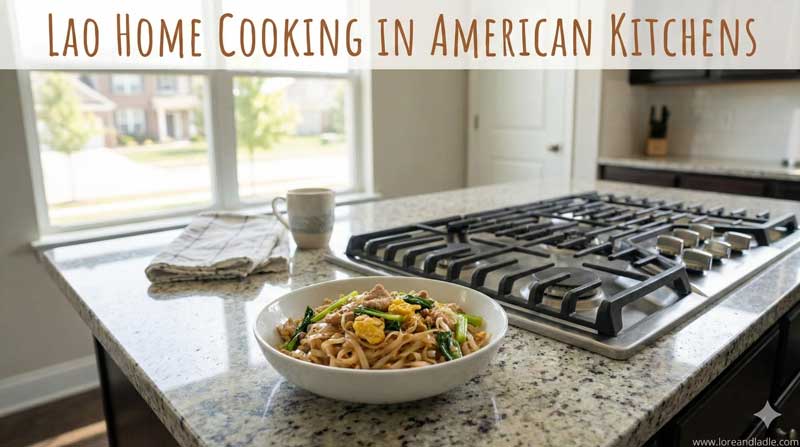
Slow-Cooked Lao Home Cooking in American Kitchens: Meals for Relaxed Weekends
This article invitingly explores a dish that bridges Lao flavors with the pace of American weekends. Slow cooking lets aromatics bloom, so every bite carries a quiet harmony. The focus here is on cultural value and culinary significance, not on politics or history beyond the joy of shared meals.
The heart of Lao home cooking
Lao home cooking centers on simple ingredients treated with care. Fresh herbs, bright citrus, and balanced salty-tung aromas define the flavor map. Slow simmering transforms tough cuts into tender morsels, and simmering stock gathers depth over time. In American kitchens, this approach fits the weekend rhythm: a meal that invites patience, conversation, and a sense of home.
Why slow cooking matters in this cuisine
Slow cooking matters because it lets layers of aroma unfold. Aromatics such as lemongrass, galangal, garlic, shallots, and chilies mingle gently with fish sauce and lime. The process broadens personality: it reveals both brightness and warmth, crisp and soft textures, and a comforting finish. This technique supports a culinary culture that values patience, balance, and a well-rounded palate.
Flavor compass: what to expect on the plate
Expect a bright yet grounded profile. Lemongrass and lime leaf bring citrus lift; dill and herbs add freshness; fish sauce anchors savor. A touch of coconut milk or roasted peanuts can appear for roundness, while sticky rice offers a soothing counterpoint to saucy braises. The result is a dish that feels intimate, approachable, and richly grown from market finds and seasonal produce.
The American kitchen as a stage for Lao flavors
American kitchens provide space for Lao flavors to mature in new ways. A slow cooker or Dutch oven becomes a quiet partner, allowing cooks to start early and finish with a dish that tastes like a weekend well spent. The dish shines when prepared in a relaxed setting, where friends or family gather, share stories, and savor each spoonful. The cultural value lies in the act of bringing two culinary worlds into one simmering pot.
Techniques that tell a story
- Layering aromatics early builds depth.
- Gentle simmering softens textures and blends flavors.
- Finishing with lime and fresh herbs keeps brightness alive.
- Plating with sticky rice on the side creates an inviting, balanced plate.
These techniques honor a tradition of careful preparation and thoughtful seasoning, while welcoming Home Cooks to adapt textures and ingredients to their pantry.
Weekend rituals and social savor
Relaxed weekends are ideal for this style of cooking. The dish becomes a centerpiece for slow breakfasts, midday cooking sessions, or late-afternoon gatherings. The aroma invites curiosity, and the meal invites conversation. In this way, it contributes to a weekend ethos of rest, nourishment, and connection—values shared by many kitchens.
Practical adaptation: making it work at home
- Choose a cut of meat that benefits from slow cooking, or use mushrooms for a vegetarian version.
- Let stock simmer quietly; a gentle cook time yields tenderness without losing brightness.
- Keep a bright finish with a squeeze of lime and a handful of fresh herbs just before serving.
- Serve with classic sticky rice or a versatile grain for variety.
A respectful culinary dialogue
This dish demonstrates how Lao flavors can thrive in diverse home kitchens. It celebrates taste, technique, and the careful balance of sweet, sour, salty, and aromatic notes. The shared experience of preparing and enjoying the dish highlights the beauty of culinary dialogue: a mutual respect for ingredients, tradition, and the joy of a well-cooked meal.
Conclusion
Slow-Cooked Lao Home Cooking in American Kitchens offers more than a meal. It presents a cultural practice that honors patience, balance, and the quiet pleasure of cooking with care. In relaxed weekend hours, this dish becomes a bridge between flavors, stories, and the comfort of a home-cooked feast. Enjoy the aroma, savor the layers, and celebrate the warmth of a dish that invites everyone to the table.