
Introduction
Classic vs Modern Takes on Myanmar Street Food & Snacks invites you to a sensory journey. This is a celebration of how simple, daily bites carry culture, craft, and connection. In bustling markets and cozy lanes, vendors and cooks shape two sides of the same story: the time-honored flavors people have shared for generations, and the fresh ideas that keep those flavors alive today. The dish itself thrives on contrast—classic comfort meeting contemporary creativity—without losing its rooted sweetness and warmth. Explore how Myanmar street food and snacks express care, skill, and community through every bite.
The Heartbeat of Myanmar Street Food
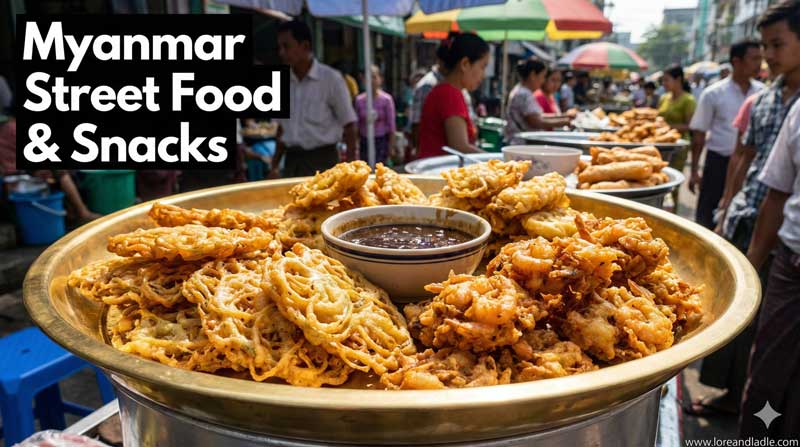
Myanmar street food hums with energy. Small stalls glow with teas and steaming bowls. Aromas rise from grills, fryers, and clay pots. The food invites quick bites and lingering conversations. Each bite reveals labor, technique, and place. The same street corner might offer a familiar favorite and a bold new version side by side. This practice highlights the culture’s generosity: vendors share recipes, learners watch, and families pass tips from one generation to the next. The result is a living archive—food that teaches, delights, and unites.
Classic Dishes: Time-Honored Flavors
Classic Myanmar snacks anchor the cuisine with dependable textures and comforting tastes. Mohinga, often enjoyed as a morning staple, blends fish broth with noodles and a delicate spice veil. The experience is soothing and bright at once, a bowl that invites slurps and smiles. Lahpet, the famous tea leaf salad, offers a crisp, tangy bite that blends greens, seeds, and a touch of olive-green crunch. Balachaung, a spicy dried shrimp relish, adds a bold finish to toast, fried snacks, or warm bowls, bringing a salty, toasty note that lingers. These items carry stories of markets, family kitchens, and daily routines. They are approachable, precise in technique, and deeply satisfying as a shared ritual.
Modern Takes: Fresh Eyes, Fresh Flavors
Modern interpretations honor the classics while exploring new textures, ingredients, and presentations. Chefs experiment with grill marks, smoky undertones, and brighter acidity to heighten clarity of flavor. Plant-forward versions appear, using mushrooms, tofu skins, or crunchy vegetables to echo traditional profiles. Some vendors reinterpret lahpet with contemporary dressings or vibrant toppings, creating a playful balance between nostalgia and novelty. In many stalls, you’ll see refined plating on rustic boards, or compact bowls designed for quick tasting and social media sharing. These modern takes invite curiosity, encourage experimentation, and demonstrate how the culture remains dynamic and welcoming to new ideas.
Techniques That Tie Past to Present
Core techniques bridge classic and modern Myanmar street food. Fermentation adds depth and a tangy brightness that suits both traditional and updated dishes. Fresh herbs, galangal, lemongrass, and citrus lift flavors while preserving the dish’s essential personality. Crisp textures from frying or quick searing contrast with soft noodles and tender bites, creating an inviting balance on the palate. Skillful timing matters: perfect heat, precise slicing, and careful layering unlock the character of each bite. Across both eras, the goal stays the same—round, memorable flavors that speak clearly and invite another bite.
Cultural Value and Culinary Significance
Myanmar street food embodies hospitality. Sharing a bowl or a snack mirrors the practice of welcoming someone into the home. The cadence of street life—vendors calling out, neighbors stopping to chat, families wandering from stall to stall—creates a social script that reinforces belonging. The classics anchor memory, while modern takes keep the culture inventive and relevant. Together, they show how everyday food can be artful, approachable, and deeply meaningful. The dish celebrates craft: the hands that grind, stir, wrap, fry, and plate, and the senses that remember and reexperience.
Where to Experience the Flavor Spectrum
To truly appreciate the classic and modern takes, seek out busy markets and street-side stalls. Observe the rhythm: a pot simmering, a wok singing, a vendor offering a sample, a customer nodding in approval. Taste and compare: a calm, comforting bowl next to a brighter, sharper version. Notice how vendors explain ingredients and share tips, making every bite a learning moment. Even when you sample multiple items, you’ll feel a cohesive story—one of place, community, and ongoing craft.
A Welcoming Invitation to Explore
This dish invites you to taste Myanmar street food with curiosity and respect. Approach with an open palate and a patient heart. Celebrate the blend of timeless flavors and fresh ideas. Appreciate the care in each recipe, the technique in every method, and the warmth of the people who prepare the food. Whether you enjoy a familiar classic or a bold modern twist, you participate in a living tradition that invites everyone to return for another bite.
Conclusion
Classic vs Modern Takes on Myanmar Street Food & Snacks is more than a menu idea. It is a portrayal of culture through cooking. The classics teach comfort and continuity; the modern takes teach evolution and optimism. Together, they illuminate the beauty of Myanmar’s daily cuisine and its enduring power to connect people. Savor the flavors, honor the craft, and celebrate the shared joy that street food brings to every city, corner, and home.