
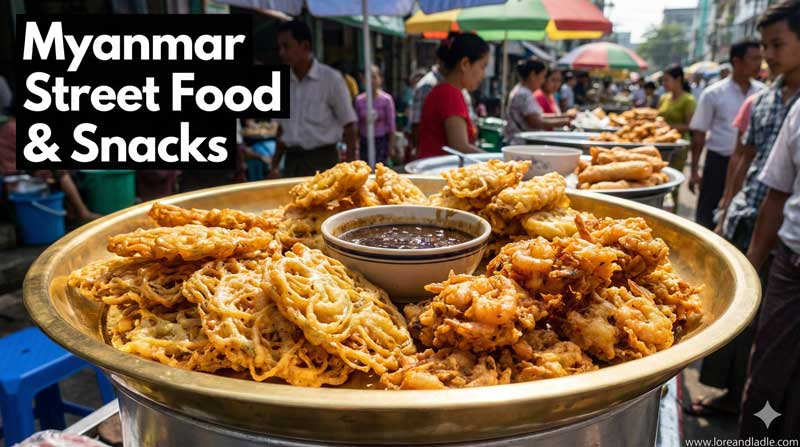
Myanmar street food and snacks tell a story of daily life, craft, and shared tables. The concept “How to Build a Full Menu Around Myanmar Street Food & Snacks” invites us to celebrate these flavors while crafting a cohesive eating experience. This dish is less about a single plate and more about a cultivated menu that honors tradition, technique, and hospitality. It is a window into how people gather, eat, and enjoy the variety that markets and streets bring every day.
What this concept honors in the culture
Food from Myanmar markets reflects patience and care. Vendors rely on seasonal produce, careful seasoning, and precise timing. The same energy appears when a chef plans a full menu: a sequence of bites that moves from light to satisfying, from crisp to comforting. The concept values community and sharing, as street snacks often arrive with friends or family. It also honors artisans who keep age-old methods alive, whether by fermenting, grilling, or pouring broth. By building a full menu around this street food, we honor these practices and invite others to participate in the experience.
The culinary language of Myanmar street food
Myanmar street bites speak through balance. Sour notes from tamarind or lime wake the palate, while fish sauces and dried shrimp deepen the umami. Spices provide warmth without overwhelming the senses. Texture plays a central role: a crisp fritter, a chewy noodle, a silky sauce, a cool fruit finish. This dish celebrates that language by organizing flavors into a friendly flow. Each course cues the next, guiding the eater through a harmonious journey. The result is a menu that feels cohesive yet full of character.
Core ingredients and techniques you’ll encounter
Key components include fresh vegetables, fragrant herbs, and a spectrum of sauces and pastes. Common techniques feature quick frying, shallow frying, steaming, and simmering. Fermented pastes add depth, while lime and fresh herbs brighten the plate. Coconut milk and palm sugar provide gentle sweetness in balance with heat. The technique and ingredients come together to create bites that feel bright, comforting, and memorable. This dish centers those elements and shows how they can be arranged into a complete, respectful menu.
Building blocks: structure of a full menu
Think in courses that echo street experiences. Start with light, crisp snacks that awaken the palate. Move to small plates with bold flavors, then to heartier mains that satisfy. Include a bright, refreshing finish, such as a fruit-based dessert or a delicate coconut treat. Each section flows into the next with clear transitions and purposeful pacing. By planning this structure, you honor the rhythm of street dining while offering a refined tasting experience.
Texture, temperature, and harmony
A successful Myanmar-inspired menu balances texture and temperature. Crunch meets tenderness, warmth meets coolness, and savory meets a touch of sweetness. Offer contrasting bites side by side so diners can compare and contrast. Use cooling elements like herbs or fruit to reset the palate between spicy or rich courses. This balance is at the heart of the dish’s culinary significance.
Regional notes and flavor maps
Myanmar’s regions contribute variations in herbs, fish, and produce. A well-rounded menu can reflect this diversity by including items that highlight coastal freshness, river flavors, and inland produce. The concept invites exploration of these nuances while maintaining a cohesive dining narrative. It invites cooks to source with care and to celebrate regional differences as part of a single culinary story.
Beverage pairings and accompaniments
Complementary drinks enhance the tasting journey. Fresh coconut water, herbal teas, and light citrus-based beverages pair well with snacks and lighter bites. For richer courses, a balanced tea or a mildly sweetened drink can provide transition without overpowering the flavors. Condiments and dips, such as bright chili-lime sauces or fragrant herbal oils, act as edible accents that tie courses together.
The experience: plating, service, and hospitality
Presentation should feel inviting and simple. Use warm colors and clean plates that let the food shine. Clear, generous portions and thoughtful pacing create a welcoming atmosphere. Hospitality shines when diners feel guided yet free to explore. The menu becomes a living, sharing experience, not just a list of items.
Why this dish matters to food culture
This concept emphasizes accessibility, craft, and the joy of gathering around a table. It shows how a country’s street foods can become a coordinated dining experience that respects tradition while inviting new flavors and techniques. The result is a celebration of everyday culinary artistry, community, and the beauty of well-balanced meals.
Closing thoughts
If you seek a respectful invitation into Myanmar’s street-food world, this full-menu concept offers a clear path. It honors the flavors, textures, and techniques that define the cuisine while inviting readers to taste the warmth of street life through a well-structured, cohesive menu. Enjoy the journey, observe the craft, and savor the shared joy of good food.