
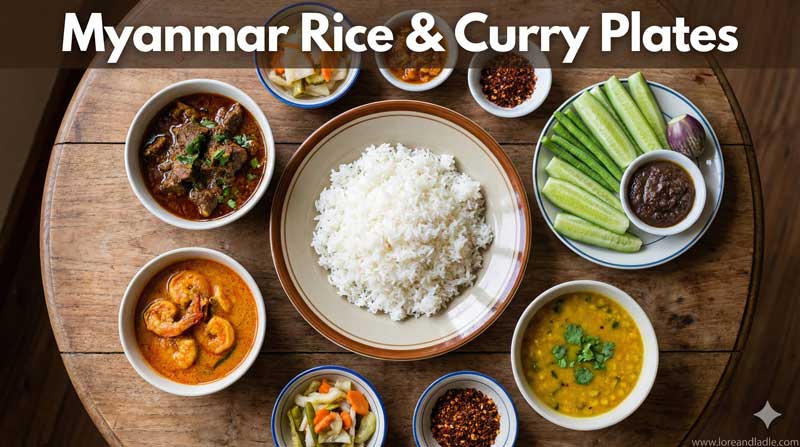
How to Pair Myanmar Rice & Curry Plates with Rice, Noodles, and Sides
Myanmar rice and curry plates are more than a meal. They are a canvas that celebrates balance, craftsmanship, and daily hospitality. This guide invites you to explore how these plates come alive when paired with rice, noodles, and thoughtful sides. You will see how each element contributes to a vibrant culinary story that travels from market stalls to family kitchens.
The Cultural Rhythm of Rice and Curry
In Myanmar, meals revolve around rice as a beloved staple and a flexible companion to a variety of curries. The plate honors seasonality, local produce, and the skill of cooks who blend warmth, aroma, and texture. Sharing a plate is a simple act of care, a moment to savor colors, fragrances, and conversations. The pairing of rice, curry, and sides reflects a culture that values harmony—between sweet and sour, soft and crisp, and plain and bright.
Core Components: Rice, Curry, and Side Dishes
- Rice: The foundation of the plate, usually steamed and fragrant. The rice should be light and fluffy, able to soak up curry without becoming heavy. Its neutral backdrop lets other flavors shine.
- Curry: The heart of the dish. Curries range from savory meat or fish preparations to hearty vegetable mixes. A well-made curry carries depth from onions, garlic, shallots, turmeric, and herbal notes like lemongrass or coriander. The sauce should cling to each piece, offering richness without overpowering the grains of rice.
- Sides: The accompaniments bring brightness, texture, and contrast. Fresh salads, pickled vegetables, crisp fritters, and small lentil curries are common options. These sides cleanse the palate, cut richness, and add crunch or tang to the plate.
Pairing Principles: Rice vs. Noodles, and Side Accompaniments
- Start with the base: Always begin with a generous bed of fragrant rice. It anchors the plate and catches the curry’s sauce in every bite.
- Introduce variety with noodles: Noodles offer a different mouthfeel and can carry curry seasoning just as effectively as rice. Light, slippery noodles pair well with silky curries, creating a playful contrast in texture.
- Balance with sides: Sides provide brightness, acidity, and crunch. A crisp onion salad, a tangy pickle, or a fresh cucumber-lish salad can lift the meal and prevent heaviness.
- Think in layers: Consider which components will share flavors and which will stand apart. For example, a turmeric-forward curry can be brightened by a lemony pickle, while a richer curry may benefit from a simple cucumber salad to refresh the palate.
- Regional variety matters: Across Myanmar, cooks adapt the plate to local produce and tastes. Use that flexibility to honor what is freshest, whether it’s a zesty lime, a crisp carrot slaw, or a smoky fried bite.
Flavor Journeys: Spices, Aromatics, and Textures
Myanmar curries often weave together aromatic ingredients: garlic, shallots, and ginger form a mellow base; chili adds warmth; turmeric gives depth and color; lemongrass or lime leaf can lift the dish with citrus brightness. Salt comes from fish sauce or salted pastes, while a touch of sweetness may come from palm sugar or ripe onions. The beauty lies in balance: spice with sweetness, softness with crunch, and heat with cooling acidity from a side dish. When you pair, let the curry’s core be respectful of these layers, and let the sides act as bright punctuations that keep the plate lively.
Serving and Presentation: A Colorful Table
- Plate arrangement: Place a neat mound of rice as the anchor, spoon the curry beside or over it, and position sides to offer color variety. The contrast of green herbs, pale onions, and golden curry creates an inviting scene.
- Garnishes: Fresh herbs, lime wedges, or crisp onions add freshness and sparkle. Small crunch elements, like toasted seeds or fried crisps, give a satisfying finish.
- Serving context: A family-style platter invites sharing, while individual portions can highlight personal favorites. Either way, the visual balance enhances the dining experience and signals generosity.
The Shared Plate: Hospitality in Myanmar Food Culture
The Myanmar rice and curry plate is a symbol of hospitality. It invites conversation about flavor, memory, and craft. Families pass down techniques and combinations, each generation adding its touch while honoring tradition. The same plate can carry everyday comfort or festive charm, depending on the choices of curry intensity, noodle texture, and the brightness of the sides. In this cultural frame, cooking becomes a warm conversation between cooks and guests, a ritual of tasting and appreciating small, thoughtful details.
Practical Pairing Examples to Inspire You
- Classic base with brightness: Jasmine rice + chicken curry + onion and chili salad + a small cucumber pickle. Add a few noodles on the side for variation. The curry remains the star, while the sides refresh the palate.
- Texture-forward plate: Steamed rice + vegetable curry with a silky sauce + crisp lentil fritters + tangy lime pickle. The fritters introduce crunch that never clashes with the curry’s softness.
- Fresh and zesty: Rice with fish curry + tomato or cabbage salad + a light herb garnish. A lemony side brightens the plate, making every bite feel clean and lively.
- Noodles as a partner: Rice can be swapped with a light, thin noodle that soaks up curry beautifully. Pair with a sesame-laced cucumber salad and a small portion of lentil curry to create a full spectrum of textures.
Conclusion
Myanmar rice and curry plates celebrate a refined simplicity: quality ingredients treated with care, harmonious spice, and thoughtful pairings. By pairing rice or noodles with a well-made curry and complementary sides, you honor a culinary tradition that cherishes balance, hospitality, and daily delight. Whether you enjoy a quiet dinner at Home or share a meal with friends, these plates offer a welcoming stage for flavor, color, and connection. Embrace the textures, seek the bright contrasts, and let the plate speak softly of the beauty found in Myanmar’s everyday cooking.