
Introducing the dish
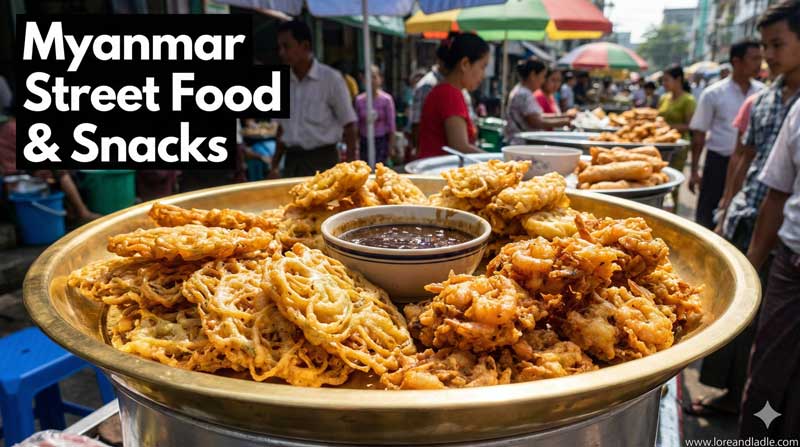
Slow-Cooked Myanmar Street Food & Snacks for Deep, Rich Flavor invites readers into a kitchen of patience and aroma. This dish collection highlights the art of long simmering, where spices meet savory stock and gentle heat. In bustling street markets and quiet home kitchens alike, slow cooking transforms simple ingredients into comforting, memorable bites. The result is a harmony of texture, depth, and aroma that captures the rhythm of Burmese cooking.
Cultural value and community
Food in Myanmar carries a sense of place and togetherness. The dish celebrates shared bowls, open-air stalls, and welcoming family kitchens. Neighbors gather as pots simmer, exchanging stories with the steam. Families pass down spice blends and cooking timing from one generation to the next. In this way, Slow-Cooked Myanmar Street Food & Snacks for Deep, Rich Flavor becomes more than sustenance; it becomes a daily ritual that honors hospitality and memory.
Techniques that deepen flavor
Deep flavor grows from patient technique. First, cooks layer aromatics by sautéing garlic, shallots, lemongrass, and ginger to form a fragrant base. Next, they introduce a spice paste that might include turmeric, coriander, and chili, blending it with a rich stock. Then, slow braising draws in meat, fish, or vegetables until the textures melt together. Finally, a touch of coconut milk or palm sugar rounds the savoriness, while tangy notes from tamarind or lime brighten the finish. This sequence creates a sense of warmth and lasting satisfaction in every bite.
Core ingredients that define the profile
The dish rests on a few essential ingredients that return again and again:
– Aromatic bases: garlic, shallots, and lemongrass
– Ground and fresh spices: turmeric, coriander, cumin, chili
– Fermented and savory umami: fermented fish paste (ngapi) or a plant-based alternative
– Depth builders: fish sauce, dried shrimp, or mushroom seasoning
– Creamy and sweet balance: coconut milk and palm sugar
– Bright accents: tamarind, lime, or vinegar
Together, these elements deliver a layered flavor that feels both bright and grounding.
Regional echoes in Burma
Myanmar’s regions shape how the dish expresses itself. In urban markets, cooks may use faster braises with bolder spice notes for busy crowds. In rural kitchens, slower reductions and gentle simmering create a deeper, silkier finish. Local produce, such as fresh lemongrass, leafy greens, and seasonal vegetables, informs weekly variations. Across towns and villages, the same philosophy remains: patience, balance, and respect for the ingredients bring out the region’s character in every bite.
How to experience and enjoy
To truly experience the dish, seek it in the company of others. Visit a lively street market at dusk, listen for the whisper of simmering stock, and watch vendors stir with care. at Home, you can start with a small pot and a simple spice paste, then build complexity over time. Pair the bites with warm Burmese tea or a light lime-infused beverage. Serve in modest bowls, and let conversation flow as slowly as the flavors develop.
The craft behind the flavor
Craftsmanship shines in every simmer. Cooks choose ingredients with intention, grind pastes by hand, and monitor heat to prevent bitterness. The best versions balance smoke, sweetness, sourness, and umami so that no single note overpowers another. Patience becomes the invisible chef, guiding the broth to a depth that mirrors the maker’s care. This dedication is the heartbeat of Slow-Cooked Myanmar Street Food & Snacks for Deep, Rich Flavor.
Conclusion
Slow-Cooked Myanmar Street Food & Snacks for Deep, Rich Flavor offers more than nourishment; it preserves a living tradition. Through patient technique, aromatic ingredients, and communal sharing, the dish reveals the beauty of Burmese food culture. It invites readers to savor not just a taste, but a story—of markets, kitchens, and people who honor flavor with time and heart.