
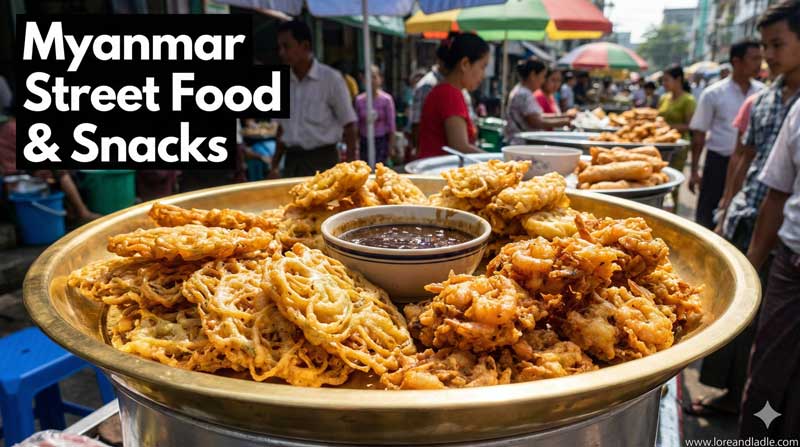
A Taste of Myanmar Street Food in Weeknight Dinners
This post introduces a dish concept by the name How to Serve Myanmar Street Food & Snacks for Weeknight Dinners. It honors the cultural value and culinary significance of Myanmar’s vibrant street foods. The aim is to bring the warmth, rhythm, and bright flavors of markets into a weekday home table. The approach is practical, respectful, and celebratory of everyday cooking.
The Cultural Value of Street Food as Everyday Craft
Myanmar street food is more than meals. It is a daily ritual that gathers neighbors, families, and friends. Vendors stand at busy corners, offering quick bites that travel from market to home. Each bite carries memory, region, and season. This food speaks to hospitality, friendship, and generosity. Sharing small plates, tasting a variety of snacks, and arranging a simple spread is a quiet form of community care. The dish How to Serve Myanmar Street Food & Snacks for Weeknight Dinners highlights this spirit by showing how street foods can anchor a weeknight rhythm with meaning, connection, and comfort.
Core Flavors That Define Myanmar Snacks
Myanmar snacks and street dishes blend bright citrus, warm spice, and deep umami. The aroma of lemongrass and garlic greets you, followed by the toasty scent of roasted peanuts or sesame. Fresh herbs—cilantro, mint, and sawtooth coriander—add brightness. A gentle tang from lime or tamarind counters a touch of chili heat. Fried snacks bring crunch, while salads offer freshness. A hallmark is the balance: salty with a pinch of sour, creamy with a hint of sweetness, and bold but never overpowering. Key ingredients such as fermented fish paste (ngapi) or tea leaves (for lahpet-style salads) contribute depth and a unique, enduring savor that characterizes Myanmar street foods. This culinary DNA makes weeknight dinners feel vibrant, approachable, and deeply connected to the flavors of the land.
A Weeknight Dinner Blueprint
The dish guide centers on a simple, adaptable framework. Think of three to four components that come together in one unhurried meal. First, a main that feels comforting and quick, such as a noodle dish with a light curry or fish. Second, a small plate of a bright, crunchy snack or salad that echoes street-market snacks. Third, a fresh herb-led salad for balance. Finally, a simple sauce or dipping condiment to tie the plate together. This approach mirrors how popular Myanmar street foods are enjoyed—shared, layered, and easy to pace through the evening. By planning in steps, you can savor a sense of street-food spontaneity without rushing the kitchen.
Techniques That Elevate Street Snacks at Home
To capture the spirit of Myanmar street foods, use crisp textures and clean contrasts. Frying briefly brings a golden crunch that sings against a soft noodle or warm curry. Toasted nuts add a nutty aroma that lingers on the palate. Finishing sauces and dressings with fresh lime juice brightens the dish and invites a second bite. When possible, use fresh herbs as the final touch right before serving. This preserves fragrance and color. A little ferment-like depth from ngapi or a small spoon of miso-style paste can elevate the dish with authentic umami notes. Keep portions modest and tactile, inviting guests to dip and share.
Serving with Respect: Plating and Shared Joy
A respectful presentation honors the communal nature of Myanmar street foods. Use small bowls for sauces and dips. Plate snacks in neat stacks or on a banana leaf for a touch of tradition. Offer chopsticks and spoons alongside forks, giving guests options. A compact herb sprig and a wedge of lime at each place celebrate freshness. The goal is a satisfying, unhurried meal where everyone can explore textures and flavors together. The act of serving becomes part of the hospitality, echoing the care found in street vendors who welcome passersby with warmth.
Pairings and Beverages That Compliment
Pairing finishes the experience nicely. A light, fragrant tea or a citrusy limeade complements the brightness of street flavors. A simple fermented tea beverage can echo lahpet-style notes in a respectful, modern way. If you prefer something with a bite, a crisp beer or a dry white wine can balance fried items and rich dips without overpowering delicate herb notes. The key is to keep beverages refreshing and not overpowering, so the flavors of the street-food-inspired dishes can shine.
Shopping Tips and Seasonal Staples
Incorporate seasonal vegetables and produce for the best flavor. Fresh herbs, citrus, and peppers brighten dishes quickly. For pantry staples, consider a small jar of ngapi or a light fish sauce to capture authentic umami. Dried shrimp or toasted sesame can add depth when you want it. When buying ingredients, look for vibrant color, fragrance, and a balanced scent profile. Freshly grated garlic, shallots, and lemongrass deliver the best aroma. If you encounter ready-made Myanmar snacks in markets, use them as inspiration to craft your own weeknight plates with local substitutes when needed.
Building a Balanced Weeknight Menu, Step by Step
1) Start with a bright starter: a lahpet-inspired tea leaf salad or a crisp herb salad with lime and peanuts. 2) Add a main that is comforting yet quick to assemble, such as a fish-based noodle dish or a light curry with vegetables. 3) Include a small, crunchy snack plate to echo market bites. 4) Finish with a fresh, fragrant herb garnish and a squeeze of lime. 5) Keep seasoning light and adjustable at the table. This progression mirrors how street foods are enjoyed in busy markets, translated into a home dining experience.
Final Reflections: The Beauty of Everyday Food
How to Serve Myanmar Street Food & Snacks for Weeknight Dinners invites you to see weeknights through a cultural lens. The dishes honor daily life, shareability, and joyful eating. They celebrate color, aroma, and texture while remaining accessible for Home Cooks. As you plate and share, you participate in a timeless practice of hospitality. The result is not just a meal, but a small, beautiful ceremony that makes ordinary evenings memorable. Enjoy the flavors, honor the culture, and savor the warmth that Myanmar street foods bring to the dinner table.