
Introduction
Authentic Achichuk Salad – Uzbekistani Rice & Pilaf Specialties Flavor You’ll Love invites readers into a bright, fresh corner of Central Asian dining. This chopped salad shines beside a steaming pot of pilaf, offering a crisp, herbaceous counterpoint to hearty grains and tender meat. Its beauty lies in balance: juicy tomatoes, sharp onions, and fragrant greens meet a light dressing, delivering brightness without heaviness. The dish is a everyday celebration of simple ingredients prepared with care.
Cultural Value of Achichuk
In Uzbek kitchens, Achichuk is more than a salad; it is a welcome gesture. Families gather around a shared table, and a bowl of achichuk signals hospitality and generosity. The act of chopping herbs and vegetables together becomes a quiet ritual, a way to honor food and friends. Seasonal produce—ripe tomatoes in summer, tender onions year-round—anchors the dish in local markets and family gardens. By pairing it with pilaf, cooks honor a timeless rhythm: warmth, nourishment, and community. Achichuk’s color, aroma, and freshness carry a sense of place, reminding us how food can tell the story of a region’s flavors and daily life.
Culinary Significance
The essence of Achichuk rests in technique as much as ingredients. Tomatoes provide sweetness and acidity, onions lend bite, and fresh herbs add brightness. The typical mix includes dill, cilantro, and parsley, sometimes with cucumber slices for extra crunch. A light dressing—often oil with a touch of lemon juice or vinegar—binds the flavors while keeping the vegetables crisp. The result is a salad that feels clean and uplifting, yet deeply anchored in Uzbek taste preferences: vibrant, herb-forward, and balanced. Its role in Uzbek cuisine is to refresh the palate between richer grains and savory meat, offering contrast without overwhelming the main dish.
Preparation Essentials
To craft an authentic achichuk, use fresh, ripened tomatoes and firm onions. Finely dice all components to ensure even texture and quick flavor release. Chop herbs just before mixing to preserve their aroma. Toss with a small amount of oil and a gentle splash of lemon juice or vinegar, then season with salt to taste. Serve promptly to maintain crispness. A well-made achichuk presents a mosaic of red, green, and white, inviting the senses before the first bite.
The Plaf Pairing Experience
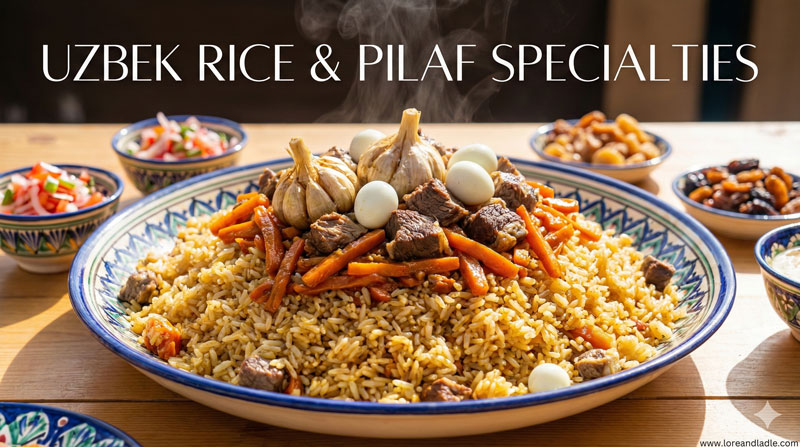
Achichuk accompanies plov—the Uzbek pilaf—beautifully. The salad’s acidity and fresh herbs cut through the richness of rice, carrots, and meat, creating a harmonious bite. It also brightens the plate visually, turning a plated meal into a colorful experience. Diners notice how the salad’s crisp texture contrasts with the softness of pilaf, enhancing the overall dining mood. This pairing reflects a broader culinary philosophy: balance flavors and textures to elevate the dish as a whole.
Regional Flair and Seasonal Variation
Across Uzbekistan, you may find small regional twists. In some kitchens, cucumbers join the mix for extra crunch. In others, a touch of green pepper adds another layer of brightness. Regardless of small variations, the core idea remains: chop, mix, and serve soon after. Regional differences celebrate local produce and family traditions, enriching the dish while keeping its spirit intact.
A Welcome, Timeless Dish
Achichuk embodies hospitality and everyday sustenance. Its fresh character makes it a favorite for gatherings, market days, and Family Dinners alike. The dish speaks to a love of harvest season, careful preparation, and sharing food with care. With every bite, you taste a cultural practice that values balance, community, and the beauty found in simple, well-made meals.
Conclusion
Authentic Achichuk Salad is more than a side dish; it is a cultural handshake—warm, considerate, and full of life. Its culinary significance rises from its crisp textures, bright herbs, and thoughtful pairing with Uzbek pilaf. If you seek a dish that celebrates regional flavor, seasonal produce, and the joy of sharing food, achichuk offers a welcoming introduction to Uzbek cuisine. Try it, and savor the harmony it brings to the table.