
A Fresh Introduction to Air-Fryer Khinkali
Air-Fryer classic beef and pork khinkali Hacks for Crispy Results celebrate a dish that blends heritage with modern kitchen craft. This dumpling story comes from a region known for warmth, hospitality, and a love of aroma and texture. The beef and pork filling brings a gentle richness, while the wrappers offer a delicate cradle for the filling. The air fryer adds a modern twist by delivering a crisp exterior without losing the juicy center. In this post, we explore the cultural value and culinary significance of khinkali, and we show how the air fryer can honor tradition while inviting new cooks to the table.
Khinkali: Folded Art and Flavor
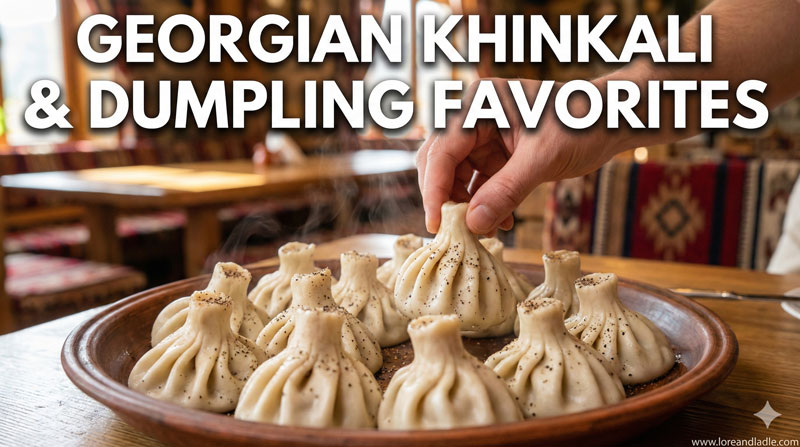
Khinkali are more than food. They are folded art that carries memory in each pleat. The dough is rolled thin, then wrapped around a savory filling and gathered into a distinctive top knot. The look is instantly recognizable, and the act of folding invites patience and care. In everyday kitchens and at festive tables, khinkali are a symbol of craft and generosity. The shape communicates a shared intention: to gather, taste, and linger over good warmth and conversation. This dish speaks softly of table manners, skill, and the joy of slowing down to savor a single bite.
The Filling: Beef, Pork, and Balance
The heart of this dish is a balanced filling of beef and pork. Ground beef provides richness, while pork adds moisture and a touch of sweetness. Aromatics such as onion, garlic, parsley, cilantro, black pepper, and a pinch of coriander or cumin give depth without overpowering the meat. Salt brightens the blend and helps the flavors to harmonize with the dough. The result is a filling that feels both familiar and celebratory—meaty, juicy, and fragrant with herbs. This balance mirrors the cultural value placed on harmony at the table and on the plate.
The Dough and Craft: Texture as a Cultural Expression
The wrapper’s texture matters as much as the filling. A thin, supple dough wraps the meat without overpowering it. Rolling the dough evenly helps every bite to carry a little of the same tenderness. Pleating the edges creates a delicate crown that holds in the juices. The technique is a small ceremony in itself: patience, steady hands, and attention to even thickness. Craft in khinkali embodies a broader respect for skill and for the minute choices that shape flavor and mouthfeel.
The Air-Fryer Twist: Crisp Edges, Juicy Center
The air fryer offers a bridge between tradition and modern convenience. It gives a crisp exterior with less oil, while preserving a moist, flavorful interior. This method respects the integrity of the filling while giving the wrapper a satisfying bite. The result is a khinkali that feels fresh and contemporary, yet true to its roots in texture and aroma. When used thoughtfully, the air fryer can honor the dish’s spirit by delivering consistent crunch and tenderness in every bite.
Hacks for Crispy Results
- Preheat the air fryer to a moderate temperature. Start around 180-200°C (350-395°F) for even browning.
- Par-steam or lightly pre-cook the filling if desired. This helps lock in juices before the final crisp.
- Brush the dumplings lightly with a neutral oil to encourage a golden crust without greasiness.
- Give each khinkali space in the basket. Air needs to circulate so every side crispifies evenly.
- Arrange with the pleated tops up or slightly angled, so the seam doesn’t trap steam.
- Flip halfway through cooking to achieve uniform color on each side.
- Check for a firm, crisp bottom and a tender top; adjust time slightly if your batch is larger or smaller.
- Rest briefly after cooking. A short rest helps the juices settle into the meat and keeps the crust crisp.
- If you prefer a bit more aroma, finish with a light sprinkle of fresh herbs and a tiny touch of cracked pepper.
Cultural Value: Hospitality and Shared Moments
Khinkaliful gatherings center around hospitality and warmth. Sharing a plate of these dumplings creates a space for conversation, laughter, and mutual care. The act of turning a plate together, slicing into the dumplings, and savoring the first bite becomes a ritual that folds people into a moment of belonging. The air-fryer version keeps that ritual accessible in many kitchens, inviting more cooks to participate in a celebration of texture, aroma, and taste. The dish embodies a quiet generosity: give time to shaping each dumpling, then share the payoff of crisp edges and juicy interiors with family and friends.
The Global Table: Local Adaptations and Shared Taste
Georgian khinkali have a universal appeal. When prepared with beef and pork and finished in an air fryer, the dish travels well beyond its homeland. In kitchens around the world, cooks adapt the spices to local palates while preserving the core idea of a folded dumpling with a succulent center. This adaptability reflects a broader food culture that honors tradition while welcoming personal expression. The result is a dish that remains respectful of its roots while offering a vivid, approachable version for diverse tables.
A Gentle Invitation to Taste and Learn
If you are curious about how culture speaks through food, khinkali offer a thoughtful voice. The combination of beef and pork, the careful folding, and the modern air-fryer finish speak to a lineage of craft that values balance, hospitality, and joy. Taste becomes a bridge between generations, a way to honor yesterday while inviting tomorrow. This dish invites you to slow down, learn the technique, and share the moment with others.
Closing: The Beauty of Khinkali in Everyday Life
In everyday meals, air-fried khinkali reveal the beauty hidden in simple acts. The crisp crust, the juicy center, and the pleasure of a well-made bite remind us that culture lives in the kitchen as much as at the table. The dish’s elegance lies in its balance: tradition and trend, tenderness and crunch, meat and herb, quiet ritual and lively gathering. By exploring the Air-Fryer classic beef and pork khinkali Hacks for Crispy Results, we glimpse a culinary story that honors craft, celebrates generosity, and invites all to taste the heart of a culture known for hospitality and flavor.