
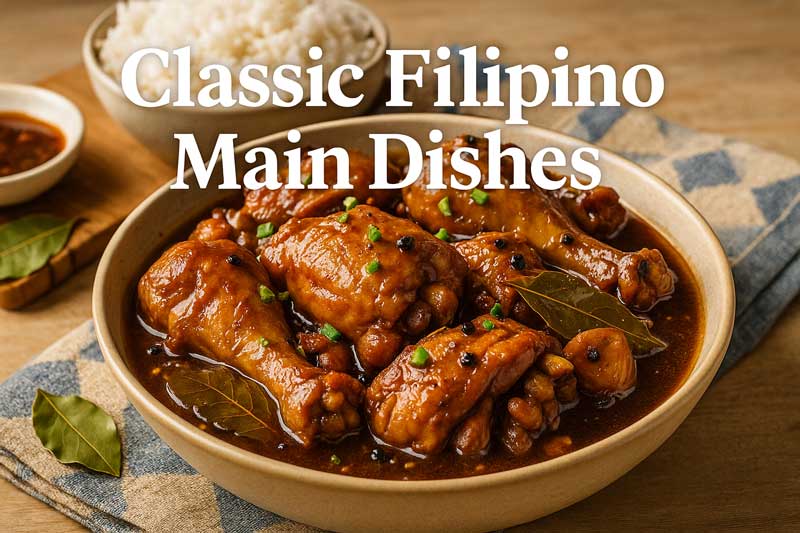
How to Make Authentic Beef Caldereta at Home Americans are loving
Caldereta is a rich, comforting stew that many kitchens treasure. in the Philippines, kaldereta (also called caldereta) brings friends and family together around a pot that smells of garlic, onion, tomato, and tender beef. The texture is soft and the sauce is glossy, a balance of tangy and savory notes. What many cooks value is how the dish carries memories of gatherings, simple meals, and shared stories, all in a single pot. How to Make Authentic Beef Caldereta at Home Americans are loving is not a mystery you must unlock with exotic ingredients alone. It’s about combining familiar pantry staples with a few distinct flavors that give the dish its own character.
The dish travels well from stove to table, inviting curiosity without demanding complexity. Its heart lies in the slow, patient melding of meat with a tomato-forward sauce, a gentle warmth from spices, and a chorus of textures from vegetables and olives. The experience is about warmth and comfort, with color, aroma, and a savory finish that makes a meal feel special even in a busy week. As you read about How to Make Authentic Beef Caldereta at Home Americans are loving, you’ll notice a focus on balance: the sauce should cling to each piece of beef, vegetables should offer bite without losing tenderness, and the finish should feel bright but grounded.
This post aims to share the spirit of kaldereta in clear, accessible language. You can imagine a bubbling pot on the stove, the kind that invites spoons, chats, and laughter. It’s a dish that invites adaptation while preserving its core identity. You will find sections here that explore flavor, texture, tradition, and occasions—plus ideas you can borrow for your own kitchen, whether you cook for two, a family, or a crowd. The aim is to celebrate the dish in a straightforward way, keeping the focus on how it tastes, how it feels, and how it brings people together around a shared meal.
The Core Flavors and Texture of Caldereta
The essence of Caldereta rests on a few dependable elements. The beef becomes tender and succulent as it slowly absorbs a tomato-based sauce. The sauce carries a gentle tang from tomatoes and sometimes a hint of acidity from a splash of citrus or vinegar. This brightness helps keep the dish lively even as it coats the meat and vegetables with a glossy finish. The flavors sit on a base of garlic, onion, and herbs that perfume the kitchen as the pot warms.
Texture plays a crucial role. Pieces of beef are soft but not mushy, offering a pleasant chew that contrasts with tender potatoes and gently crisp-tapped peppers. Carrots add sweetness and color, while olives contribute a briny bite that punctuates the sauce. Some versions include bell peppers in a rainbow of colors, which lightens the darkness of the meat and tomato, giving the dish visual appeal and a crisp bite at the edge. In many homes, a modest amount of liver or liver paste is used to deepen the sauce’s umami, providing a subtle richness that lingers after a satisfying bite. The resulting mouthfeel is a balance between velvety sauce and distinct chunks of meat and vegetables living in harmony.
The flavors of Caldereta are rooted in a few reliable notes. The tomato provides a tangy backbone. Garlic, onion, and sometimes bay leaves add aromatic warmth. The olives, and occasionally pickles or a teaspoon of brine from the jar, contribute a briny depth that offsets the sweetness of carrots and peppers. A touch of sweetness from bell peppers or a small amount of sugar can help round the acidity, depending on the cook’s preference. The resulting profile is complex but not overly busy, with each element having room to shine without competing with the others.
This flavor balance makes Caldereta accessible to many palates. It is bright enough to feel fresh, yet substantial enough to feel comforting after a long day. You can envision it as a dish that invites you to take a spoonful, then another, as the sauce thickens and clings to the meat. The textures—soft beef, tender potato, and crisp pepper—work together to create a satisfying experience from the first bite to the last.
What Makes Caldereta Distinct: Key Characteristics
- Beef as the star: A sturdy cut, typically chuck or another affordable, flavorful piece, provides the heart of the dish. The goal is tenderness that holds up to the sauce without disintegrating.
- Tomato-forward sauce: The sauce centers on tomato richness, offering a bright, savory base that anchors the flavors. It is neither purely sour nor purely sweet, but a careful balance that allows other ingredients to sing.
- Briny accents: Olives and, in some versions, pickles or brine add a distinctive salty pop. They cut through the richness and keep the sauce from feeling heavy.
- Layered vegetables: Potatoes and carrots deliver body and texture, while peppers add color and a crisp bite. The vegetables contribute sweetness, starch, and a comforting contrast to the beef.
- Optional liver depth: Some cooks use liver or liver paste to deepen the sauce’s umami. This element is traditional for many families, though it is perfectly fine to omit if preferred.
- Aromatic warmth: Garlic, onion, bay leaves, and sometimes paprika or peppercorns provide an aromatic foundation. These notes wake the palate and create a savory, inviting aroma.
- Thick, glossy sauce: The sauce should cling pleasantly to meat and vegetables. It shouldn’t be watery, but it isn’t so heavy that it masks the textures underneath.
- Balanced finish: A touch of acidity keeps the dish bright while saltiness and slight sweetness help define its comfort profile. The overall finish should feel complete and satisfying.
- Serving anchor: Caldereta is traditionally enjoyed with a light side that balances starch and sauce. White rice is a common pairing, giving a clean palate to enjoy the rich flavors.
These characteristics help Caldereta stand out. They create a dish that feels both familiar and distinct, a recipe that many families adapt to their own tastes while preserving core elements that define authenticity. The result is a pot full of color, aroma, and a sense of nourishment that makes Caldereta a reliable choice for many meals.
Traditions and Occasions in the Filipino Kitchen
Caldereta often appears during gatherings that center on sharing and connection. Families make it for Sunday dinners, weekend get-togethers, and festive occasions where friends are invited to share a meal and conversations flow as freely as the sauce. The dish has a natural hospitality to it: you prepare a pot large enough for everyone, then invite others to serve themselves, talk, and linger long after the last bite.
The kitchen becomes a place of storytelling when Caldereta sits on the stove. Recipes are passed from one generation to the next, sometimes with small adjustments to reflect the pantry of the moment. The dish welcomes experimentation, whether that means substituting a different protein, tweaking the vegetables, or adding a twist of heat. The flexibility in preparation makes Caldereta a comforting standard that can adapt to a family’s evolving tastes and seasonal ingredients.
In many homes, Caldereta is a centerpiece for celebrations. It can take center stage at fiestas, family reunions, or simple but meaningful gatherings with neighbors. When served in generous portions, it encourages sharing and conversation as people help themselves to rice and sauce. The dish’s warmth and heartiness make it suitable for cooler evenings or gatherings that stretch into the night with stories and laughter.
Culturally, Caldereta reflects a spirit of simplicity combined with care. The effort to brown beef, to simmer a sauce that reduces to a glossy dark color, and to arrange vegetables in the pot speaks to a mindful approach to cooking. It’s a tradition of making meals with attention, patience, and a sense of welcome. People often remember Caldereta not only for its flavor but for the sense of home it evokes, the kind that makes guests feel at ease and families feel connected.
How Americans are Loving It: Across Kitchens
Across kitchens in America, Caldereta finds receptive homes for many reasons. The dish accommodates different pantry items and cooking styles, inviting home cooks to adapt while honoring tradition. The core idea—a meat dish with a tomato-rich sauce, olives for a salty pop, and vegetables for texture—translates well to many regional preferences. It pairs naturally with rice, a staple in many households, and can also be enjoyed with crusty bread, mashed potatoes, or even noodles for a heartier meal.
American cooks often approach Caldereta as a way to explore Filipino flavors without leaving familiar cooking practices behind. The dish invites straightforward techniques like browning meat and simmering a sauce until it thickens. It lends itself to a slower cooking pace, which appeals to people who enjoy the ritual of home-cooked meals. Substitutes are common: different beef cuts, a swap of vegetables to reflect what’s on hand, or the option to use chicken or pork in place of beef. The result remains recognizably caldereta, yet holds room for personal touches that reflect family traditions or dietary preferences.
In conversations about How to Make Authentic Beef Caldereta at Home Americans are loving, the theme that reappears is accessibility. The dish demonstrates that a regional specialty can travel, adapt, and be valued in new settings. It also serves as a bridge between cuisines, sparking curiosity about ingredients like olives or bay leaves that might be new in some households. Yet at its heart, Caldereta remains a comforting, familiar idea: a pot of good food shared with people you care about.
The Catalysts for this connection are simple. Aromatics rise from the pot, carrying the scent of garlic and onion through the house. A glossy sauce coats tender beef and a rainbow of vegetables. The olives punctuate the sauce with a briny bite, offering a moment of contrast that keeps the dish lively. In American homes, Caldereta becomes more than a recipe; it’s an invitation to gather, taste, and learn together.
Serving Traditions: Rice, Bread, and Aromas
Caldereta is most often served with white rice, which balances the dish’s robust sauce and soaking up the succulent flavors. The rice acts as a neutral stage, letting the sauce and textures shine. Some households enjoy Caldereta with crusty bread or steamed vegetables on the side, adding more variety to the meal. The sight of a pot shared around the table can be a warm cue that a meal is more than food—it is a moment of connection.
A meal featuring Caldereta can become a ritual. Families might preheat the pot, set out bowls and spoons, and place a fresh pitcher of water or juice nearby. The serving process becomes a social moment as everyone helps themselves and passes the dish around. Garnishes vary by household: a sprinkle of chopped parsley can brighten the top, while a wedge of lime or lemon might be offered for brightness. Some cooks finish the dish with a light sprinkle of cheese, a touch that adds a gentle creaminess and a subtle salty note that complements the olives.
Leftovers are often a welcome part of Caldereta practice. The flavors deepen with a night or two in the fridge, and the dish can be repurposed into new meals. You might fold Caldereta into a hearty wrap, use the leftovers as a sauce for pasta, or simply reheat it for another comforting dinner. The practice of preserving and enjoying leftovers is a quiet tradition that honors the care put into the original pot.
High-Level Recipe Ideas That Respect Tradition
- Keep the essence intact: Focus on the core components—beef, tomato sauce, olives, and vegetables. Treat these as the spine of any variation, then adapt around them.
- Try a protein swap: If you wish to experiment, you can try pork or chicken in place of beef, keeping the same flavor framework and textures. The result will feel familiar yet new.
- Salt and brightness: Balance the sauce with a touch of acidity and salt. A small amount of vinegar or citrus can brighten the dish without masking its core character.
- Vegetable variations: Use a mix of potatoes, carrots, and peppers for color and texture. Experiment with other sturdy vegetables if you prefer variety, but keep a similar cooking duration so the texture remains harmonious.
- Depth without heaviness: If you want extra depth, consider a small amount of liver or liver paste to the sauce. This adds umami, but it remains optional; you can omit it without losing the dish’s identity.
- Accommodate heat: If you enjoy a bit more warmth, add a gentle chili pepper or pepper flakes to tailor the level of heat to your taste. Do so gradually and taste as you go.
- Pairings and sides: Beyond rice, think about simple salads or quick pickled vegetables to add freshness to the meal. A light cucumber salad can complement Caldereta’s richness well.
- Storage that preserves flavor: Let Caldereta rest after cooking so flavors meld. Reheat gently to maintain texture and moisture. It stores nicely in the fridge and can be frozen for later enjoyment.
- Family-friendly approach: When cooking for a family, aim for a version that balances familiarity with a touch of novelty. Keep the sauce smooth enough for younger palates while maintaining the dish’s character for adults.
How to Make Authentic Beef Caldereta at Home Americans are loving can be achieved by focusing on the essentials, allowing room for simple and flexible adjustments. This approach makes Caldereta accessible to home cooks in many kitchens, encouraging experimentation while upholding the dish’s spirit. The result is a meal that feels thoughtful and welcoming, one that invites conversation and shared warmth around the table.
Ingredients that Define Depth Without Becoming Complex
Key ingredients create depth without complicating the process. Choose beef that offers good flavor and texture, such as chuck or another affordable cut with some marbling. A tomato-based sauce serves as the backbone, bringing brightness and body to the dish. Olives add a briny kernel that stands out against the sweet vegetables, and potatoes and carrots provide heartiness and color.
Onions and garlic form the aromatic base, giving savory foundation. Bay leaves add a mild herbal note that unfolds as the sauce reduces. Bell peppers of various colors give visual appeal and a crisp bite. A small amount of liver or liver paste is traditional in some families, providing a deeper umami tone; feel free to omit if you prefer a lighter, meat-forward profile. A touch of acidity, from tomatoes themselves or a splash of citrus or vinegar, helps keep the sauce lively and balanced. Salt and black pepper adjust the finish to taste.
Every home cook’s pantry is different, and Caldereta benefits from that flexibility. You can use dried herbs for convenience, or fresh herbs for aroma. Some cooks add a hint of sweetness—caramelized onions, a pinch of sugar, or a drizzle of honey—to harmonize the acidity with the meat’s richness. The combination of ingredients remains true to the dish’s character, while the exact mix can reflect what’s in the kitchen.
Making Caldereta Your Own: Tips for Home Cooks
- Start with a clear plan: Think of Caldereta as a flavorful meat dish with a tomato-rich sauce and a handful of vegetable accents. Build the pot around those anchors.
- Brown the meat for depth: Searing the beef adds color and flavor. This step helps establish the foundation for the sauce’s richness.
- Maintain balance: The sauce should be lively but not overpowering. Taste as you go to keep the tang, salt, and richness in harmony.
- Control the texture: If you prefer softer vegetables, let the pot simmer a bit longer. If you want more bite, add vegetables toward the end of cooking.
- Respect leftovers: Caldereta often improves after resting. Use the next day for a different meal, or as a sauce for rice or bread to stretch a meal further.
- Adapt for the pantry: Use what you have on hand while preserving the dish’s core character. Don’t feel bound to a strict list of ingredients; the essence comes from the balance of flavors.
- Share and tell a story: Caldereta tastes better when shared with others. Use the cooking moment to connect with family and friends, and swap ideas for future variations.
How to Make Authentic Beef Caldereta at Home Americans are loving remains an invitation to practice mindful cooking and generous hosting. The dish invites you to slow down a touch, savor the sauce, and enjoy the care you put into a pot that brings people together.
A Gentle Close: Keeping Caldereta Accessible and True
Caldereta is a dish with a timeless appeal. It blends familiar techniques with a sense of discovery through its briny olives, colorful peppers, and tender meat. For many home cooks, the experience of making Caldereta becomes a quiet ritual—one that honors friends, family, and the simple joy of sharing a meal that tastes like home.
This article has explored the flavors, textures, occasions, and traditions that shape Caldereta in a way that stays approachable. It is a dish that welcomes adaptation, respects core elements, and invites cooks to bring their own memories to the pot. How to Make Authentic Beef Caldereta at Home Americans are loving is a reminder that traditional dishes can travel, be enjoyed in new kitchens, and continue to be a source of comfort and connection. May your Caldereta pot be a warm beacon in your kitchen, offering nourishment and a sense of welcome to all who gather around it.