
How to Make Authentic Filipino BBQ Ribs at Home for U.S. home cooks
Filipino BBQ ribs are a celebration of balance. They bring warmth to the table with a glossy glaze, tender meat, and a hint of tang that lingers on the palate. This dish travels well from family gatherings to weekend cookouts, and it speaks to a shared love of dining that centers on friends, stories, and generous servings. How to Make Authentic Filipino BBQ Ribs at Home for U.S. home cooks invites you to explore flavor, texture, and tradition in a way that fits kitchen shelves in American homes. The goal is not a strict recipe but a friendly guide to a beloved cooking idea that many families enjoy in their own way.
A Dish Rich in Flavor, Textures, and Color
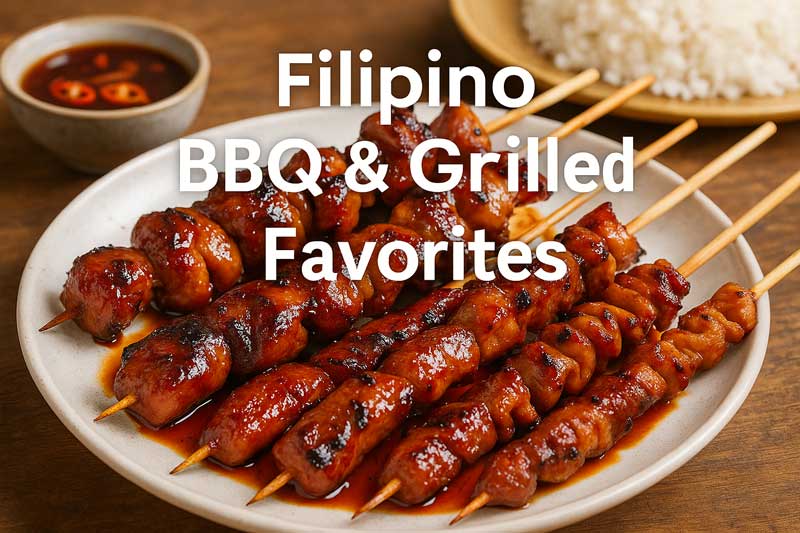
Imagine ribs bronzed by a lacquered glaze, glistening under warm light. The meat remains juicy and tender, with a subtle bite that invites another serving. The glaze blends sweet, salty, and tangy notes to create a harmony you can taste in each bite. Aromas drift from the grill or oven, carrying garlic, soy, and caramelized edges. The dish looks inviting on a plate, with a deep, mahogany color that comes from caramelization and slow, careful cooking. Filipino BBQ ribs in this style celebrate color as well as flavor, offering a sensory experience that’s as satisfying to the eyes as it is to the tongue.
The Core Flavor Profile
At the heart of this dish lies a well-balanced flavor profile. A base of soy sauce provides savory depth, while brown sugar or another sweet element adds warmth. Garlic gives a familiar, comforting note, and a touch of vinegar or citrus adds brightness. Pineapple juice or a fruit-forward element can introduce a gentle tang that keeps the glaze lively without overpowering the meat. Some cooks add a hint of ginger for zing, while others favor a fruity ketchup for extra body. Banana ketchup or hoisin can lend a different dimension, but the core idea stays the same: a savory-sweet glaze with a bit of tang to keep things interesting. How to Make Authentic Filipino BBQ Ribs at Home for U.S. home cooks often emphasizes accessible ingredients found in local markets, making this flavor profile achievable in many kitchens.
Key Characteristics That Define Filipino BBQ Ribs
- Balanced glaze: A glossy coat that clings to meat, neither too thin nor too sticky.
- Tender ribs: The meat should yield to a gentle bite, with juices that stay close to the bone.
- Smoky notes: A hint of smoke, whether from a grill or an oven finishing technique, adds depth.
- Aromatic aroma: Garlic, soy, and citrus create an inviting scent that fills the room.
- Balanced sweetness and acidity: The glaze never tastes overwhelmingly sugary or sour; it stays harmonious.
- Colorful finish: A rich, caramelized surface that looks as good as it tastes.
- Versatility: The same basic flavors adapt to different cooking methods and sides without losing character.
Cooking Methods That Bring This Dish to Life
Filipino BBQ ribs can come to life in several ways, each offering a distinct experience. Grilling over charcoal imparts a smoky edge and a crisp, caramelized crust that’s hard to beat. Oven roasting provides a reliable path to tenderness, with the glaze developing a lacquer-like finish as it coats the meat. Some cooks finish the ribs on a hot grill or under a broiler to intensify the glaze’s shine. A slow, gentle bake followed by a quick finish can yield deeply flavored ribs with a resilient glaze. No single method is “the” method; the choice depends on your equipment, time, and mood. How to Make Authentic Filipino BBQ Ribs at Home for U.S. home cooks often suggests exploring these options to find the texture you prefer while keeping the glaze bright and flavorful.
Texture and Glaze: Getting the Lacquer Right
A great glaze wears gracefully on the ribs. It should cling and shine without being heavy or sticky in a way that makes the bite feel gloppy. Caramelization on the surface creates a lacquered look and a subtle, toasted flavor. The outside should form a gentle crust with a hint of bite, while the inside stays juicy and tender. The glaze’s balance matters: a touch of acidity cuts through sweetness, a touch of salt keeps things from tasting flat, and the glaze should tell a cohesive story rather than a collection of disparate flavors. When done well, the ribs feel almost velvety with a light crackle when bitten. How to Make Authentic Filipino BBQ Ribs at Home for U.S. home cooks emphasizes this glossy finish as a hallmark of the dish.
Regional Inspirations Within the Philippines
Across the archipelago, cooks bring slight twists to the same core idea. Some regions favor a sweeter glaze with fruit accents; others lean toward a more savory, soy-forward finish. A few home cooks blend citrus with a dash of rice vinegar for brightness, while others use fruit-purees or ketchup to enrich the glaze. Marinades can vary from simple to complex, and cooking methods shift between grilling, roasting, and finishing on a hot surface for a crisp exterior. These regional touches demonstrate how a shared dish can adapt to local tastes without losing its essential charm. How to Make Authentic Filipino BBQ Ribs at Home for U.S. home cooks can be a bridge to these small variations, inviting you to try your own regional-inspired notes.
How to Make It at Home in the U.S.: Ingredients and Substitutions
The kitchen in the United States often has easy access to the core ingredients for this dish. Common components include pork ribs, soy sauce, brown sugar or palm sugar, garlic, and citrus or fruit juice to provide brightness. A fruit element like pineapple juice adds sweetness and tang, while a tomato-based element such as banana ketchup or regular ketchup contributes body. If banana ketchup isn’t available, you can substitute with regular ketchup tinged with a touch of sugar and a bit of pineapple juice to mimic the texture. For acidity, lime or lemon juice can stand in for calamansi in a pinch. A dash of ground black pepper or grated ginger can introduce warmth. How to Make Authentic Filipino BBQ Ribs at Home for U.S. home cooks invites you to use what you have on hand, keeping the core balance intact while allowing room for personal taste.
Occasions and Traditions Around Filipino BBQ Ribs
This dish shines at gatherings that celebrate sharing and good company. Weekend barbecues, family cookouts, and casual dinners often feature pork ribs as the centerpiece or a star side in a larger spread. The glaze invites people to gather around the grill or the kitchen island as aromas rise and conversations flow. The ribs pair well with simple, comforting sides and bright salsas or slaws. They are equally at home as the main course for a festive celebration or a relaxed weeknight meal that still feels special. In homes across the United States, How to Make Authentic Filipino BBQ Ribs at Home for U.S. home cooks becomes a touchstone for warmth, hospitality, and the joy of sharing a well-prepared plate.
Sides, Sauces, and Pairings
A good plate of ribs deserves thoughtful accompaniments. Steamed rice or garlic fried rice provides a neutral base to balance the glaze’s sweetness. A crisp coleslaw or fresh pickled vegetables can introduce a refreshing contrast, while grilled corn or a simple vegetable medley adds color and texture. A light, tangy dipping sauce or a spoonful of extra glaze can personalize each bite. Fresh herbs or sliced scallions sprinkled on top bring brightness. When planning the meal, choose sides that complement the salsa-like tang of the glaze and the richness of the meat. How to Make Authentic Filipino BBQ Ribs at Home for U.S. home cooks fits well with a range of sides that suit different tastes and occasions.
How to Serve: Plating and Presentation
Presentation matters, especially for a dish with a glossy finish. Slice the ribs to reveal juicy, pink-tinged meat within, or present them whole for a dramatic table moment. The dark lacquer against light rice and bright greens can be very appealing. A wedge of lime or lemon on the side invites a final touch of citrus brightness. A sprinkle of finely chopped herbs or sesame seeds can add color and a subtle nutty aroma. The aim is a clean plate that showcases the ribs while inviting guests to savor the glaze with each bite. How to Make Authentic Filipino BBQ Ribs at Home for U.S. home cooks can inspire thoughtful plating that elevates the dining experience.
Tips for First-Timers: Making It Your Own
If you’re trying this dish for the first time, start with the core balance and then adjust toward your family’s preferences. You can emphasize a sweeter glaze, or tilt toward a deeper, savory note with more soy. If you enjoy citrus, a splash of lime juice at the end can brighten the finish. The texture responds to the cooking approach: a longer finish on a hot surface can deepen the glaze’s shine, while a gentler finish keeps the glaze smoother. Remember that small tweaks can create a personal signature over time. How to Make Authentic Filipino BBQ Ribs at Home for U.S. home cooks encourages experimentation while honoring the dish’s essential balance.
A Personal Note: The Beauty of Filipino BBQ Ribs
What makes this dish appealing is its sense of comfort and hospitality. The ribs invite sharing, conversation, and a sense of home, whether prepared for a casual weeknight meal or a larger gathering. The glaze’s glow and the meat’s tenderness offer a simple, reliable pleasure that many families return to again and again. The beauty lies in how a handful of ingredients can come together to create something greater than the sum of its parts. Each cook can add a personal touch, and every table can become a place where flavors are celebrated and stories are exchanged. How to Make Authentic Filipino BBQ Ribs at Home for U.S. home cooks embodies this spirit of warmth and togetherness.
The Joy of Cooking and Sharing
Cooking is an act of care, and this dish embodies that spirit. The glaze offers a chorus of flavors, and the ribs provide a comforting texture that invites a second helping. Sharing a plate of ribs can become a moment of connection, a way to welcome guests, or a simple household ritual that marks a pleasant evening. This dish can adapt to many kitchen settings, from a compact apartment to a spacious home, and it invites inclusivity in its preparation and enjoyment. The experience extends beyond the food, enriching conversations, laughter, and a relaxed, convivial atmosphere. How to Make Authentic Filipino BBQ Ribs at Home for U.S. home cooks captures this sense of communal enjoyment.
How to Make Authentic Filipino BBQ Ribs at Home for U.S. home cooks in Everyday Life
In daily life, this dish offers a practical path to a flavorful meal that feels special without requiring elaborate equipment or exotic ingredients. The core idea remains accessible: a savory-sweet glaze, tender meat, and a pleasing glaze that invites slow savoring. Home cooks can adapt the approach to their pantry, their grill setup, and their family’s tastes, while preserving the charm of the dish. This flexibility makes it a reliable choice for Busy weeks and leisurely weekends alike. How to Make Authentic Filipino BBQ Ribs at Home for U.S. home cooks serves as a friendly invitation to explore, adjust, and enjoy.
Final Thoughts and Invitation
If you seek a dish that blends warmth, color, and a crowd-pleasing flavor, Filipino barbecue ribs offer a welcome option. The emphasis on balance—savory depth, sweet warmth, and a bright acidity—helps the glaze feel both familiar and distinct. Texture matters as much as taste, and the glossy finish adds a touch of elegance to the meal. The dish’s versatility makes it suitable for a broad range of occasions, from casual dinners to festive gatherings. For many families, it becomes a reliable favorite that can be prepared with ingredients found at local markets and adapted to personal preferences. If you’re curious to try a new flavor experience, consider this approachable, flavorful option. How to Make Authentic Filipino BBQ Ribs at Home for U.S. home cooks is an inviting starting point for your culinary exploration. And as you cook, you may find your own joyful variations, sharing your version with friends and family with warmth and care.