
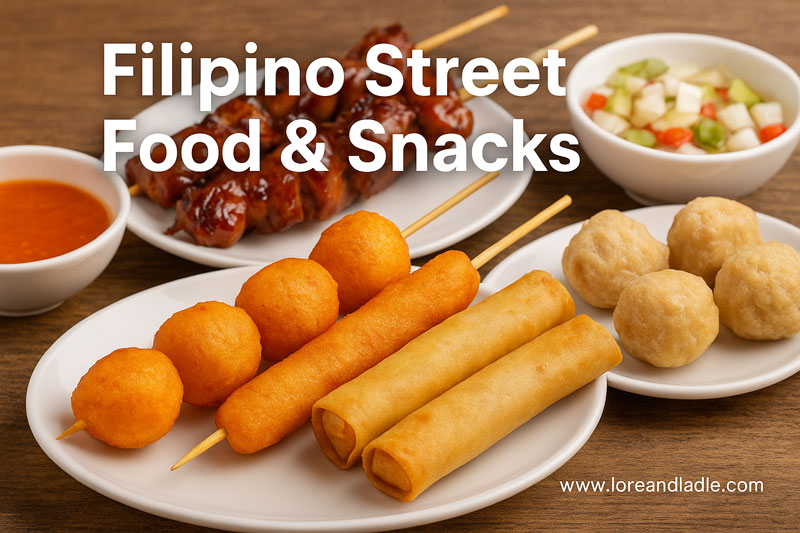
Welcome to a Simple Joy
Turon is a small, comforting treat that travels well from kitchen to table. In many Filipino homes, it arrives as a warm, fragrant finish to a meal or a late-afternoon snack enjoyed with family. This post centers on How to Make Authentic Filipino Turon at Home in the U.S. in a way that respects the dish’s quiet charm. You will find high-level ideas about ingredients, flavors, and techniques rather than step-by-step directions. The goal is to capture the spirit of the dish: a delicate balance of sweetness, a gentle crunch, and the soft warmth of fruit prepared with care. Whether you are cooking for two or feeding a larger gathering, turon offers a simple, shared experience that feels welcoming and familiar.
What Turon Is and Why It Captures the Heart
Turon is a compact, pocket-sized dessert or snack. The core idea is straightforward: ripe fruit, usually plantains, is paired with another sweet component, wrapped in a thin sheet, and treated with heat to create a crisp, caramelized exterior while keeping a tender interior. The result is a line of bite-sized pastries that invite you to bite, inhale the aroma, and savor a gentle sweetness. In this form, turon embodies a quiet elegance: uncomplicated ingredients, careful assembly, and a texture contrast that delights the palate. By thinking about How to Make Authentic Filipino Turon at Home in the U.S., you can appreciate how a familiar fruit and a light wrapper can become something special through warmth, patience, and a little culinary imagination.
Flavor, Texture, and Key Characteristics
The signature of turon lies in its textures and the balance of flavors. The outside wrapper becomes crisp and lightly glazed, giving a delicate crackle when you bite. Inside, the fruit remains plush and juicy, its sweetness mellowed by the natural sugars in the fruit and, at times, a hint of caramel from the partial melting of sugar in the filling. If you use jackfruit as part of the filling, you add a subtle floral note and a soft, chewy texture that contrasts nicely with the fruit. Cinnamon or a light dusting of sugar can intensify the aroma without overpowering the fruit’s natural flavors. What ties these elements together is restraint: turon is not a thick, heavy dessert, but a light, inviting finish that can be enjoyed after meals or as a comforting snack. The key characteristics are crisp exterior, tender interior, a gentle sweetness, and a clean, simple presentation.
Core Ingredients and Substitutions
- Plantains: The heart of turon often starts with ripe plantains. In the Philippines, people frequently use saba or latundan varieties. In the U.S., you may find ripe yellow plantains or small, ripe bananas as substitutes. The fruit should be soft and sweet, ready to meld with sugar during the cooking process.
- Filling additions: A common pairing is plantains with jackfruit, which offers a bright, fruity counterpoint. Other gentle complements include sweet potatoes, coconut, or a touch of brown sugar for extra caramelization.
- Wrappers: Thin wrappers are essential. Lumpia wrappers are traditional, but rice papers or other ultra-thin pastry sheets can work in a pinch. The wrapper should be flexible enough to wrap around the filling without tearing, yet sturdy enough to crisp up during heat.
- Sweet components: Brown sugar or jaggery is often used to provide a caramelized edge. A little coconut milk or a hint of vanilla can add depth without changing the overall balance.
- Optional toppings and aromatics: A light dusting of cinnamon or powdered sugar, a sprinkle of sesame seeds, or a tiny drizzle of a caramel-like sauce can finish the dish tastefully.
If you live in the U.S., these ingredients are typically available in Asian markets, specialty grocers, or fruit sections of major supermarkets. When a particular item is hard to find, you can adapt by choosing a comparable fruit or wrapper that preserves the essential texture and sweetness. The core idea remains stable: fruit that softens with gentle heat, wrapped in a delicate layer, and heated to a pleasant finish.
A High-Level Method: Wrapping for a Golden Finish
The wrapping step is where texture and form come together. Gather ripe fruit pieces, a filling choice, and thin wrappers. Place the fruit and any additions along the wrapper, then roll or fold the wrapper around the filling with care. The edges are sealed so the filling stays inside during cooking. The goal is a compact, neat bundle that holds its shape. Cooking methods vary: you can achieve a crisp exterior by frying, or opt for a lighter approach like baking or air-frying. Each method yields a slightly different texture and aroma, but in all cases the exterior should become lightly crisp and the interior softly ripe. When How to Make Authentic Filipino Turon at Home in the U.S. is your inspiration, you focus on keeping the balance between exterior crunch and interior tenderness, while honoring the fruit’s natural sweetness.
Variations You Might Enjoy
Turon invites small, thoughtful variations without losing its essence. For example:
– A classic pairing of ripe plantains with jackfruit remains a steady, comforting combination.
– You can add a touch of cinnamon, vanilla, or a whisper of coconut to deepen the fragrance.
– Some cooks experiment with alternate fillings such as sweet potato, taro, or coconut flakes for a different texture and sweetness profile.
– Finishing touches can include a light dusting of powdered sugar or a drizzle of caramel or condensed milk, used sparingly to enhance rather than overwhelm.
– Wrappers can be kept very thin for a fragile, delicate crunch or slightly sturdier for extra structural integrity.
All these choices let you tailor the dish to your pantry while keeping the core experience intact: a soft, fragrant center surrounded by a crisp, gently sweet shell.
Occasions and Sharing: When Turon Shines
Turon suits many moments. It can close a family dinner with a soft, satisfying note. It makes a friendly addition to a classroom bake sale or a neighborhood potluck. It’s a popular option for holiday gatherings and festive desserts that don’t require elaborate preparation. The dish’s simplicity invites sharing: a tray passed around the table, a quiet moment of tasting together, a familiar smile as the wrapper crackles and the fruit succumbs to warmth. By focusing on How to Make Authentic Filipino Turon at Home in the U.S., you can imagine it stepping into different family routines, becoming a versatile, comforting presence rather than a distant specialty.
Turon in the U.S.: Adapting Ingredients
In the United States, you may encounter slight differences in available ingredients, but the essence remains intact. Ripe plantains or bananas are accessible in most markets. Lumpia wrappers are widely sold in Asian markets, and options for jackfruit—whether canned or fresh when in season—offer a sweet, fragrant filling. If a preferred wrapper is not available, a similarly thin sheet can be substituted, provided it can wrap the filling securely and crisp up with heat. Coconut milk, brown sugar, and optional spices find homes in many pantry inventories. The result is a version of turon that respects the original idea while fitting into a modern kitchen. This adaptation demonstrates how a simple Filipino treat travels and returns as something familiar yet personal in the American home.
How to Make Authentic Filipino Turon at Home in the U.S.
How to Make Authentic Filipino Turon at Home in the U.S.
This section focuses on a concise, high-level overview of the process. Start with selecting ripe plantains and a complementary filling. Prepare the wrappers so they are ready to wrap around the filling with care. Place a modest amount of filling on the wrapper, then roll and seal the edges to form a compact bundle. Choose a cooking method that suits your kitchen—frying for a classic crisp finish, or baking or air-frying for a lighter result. Aim for a surface that is lightly crisp, with the interior fruit softened but still juicy. Finish with a gentle touch of sweetness—enough to enhance, not overwhelm. By keeping these steps broad, How to Make Authentic Filipino Turon at Home in the U.S. remains an accessible, friendly project that honors the dish’s simple charm.
Serving Ideas and Pairings
Serve turon warm to maximize the contrast of textures. A light dusting of powdered sugar or a small sprinkle of cinnamon can highlight sweetness without masking the fruit’s character. Some people enjoy a delicate drizzle of caramel or condensed milk on the side, allowing each bite to begin with a gentle sweetness and finish with a pleasant, creamy note. Pair it with a cup of coffee, a mug of tea, or a small scoop of vanilla ice cream if a richer dessert suits the moment. The goal is to present the dish in a way that invites conversation and appreciation for the simple craft that goes into each roll.
Quick Tips and Common Frictions
- Fruit ripeness matters: choose fruit that is soft but not mushy to ensure a balanced interior.
- Wrapper integrity is important: if wrappers feel too dry or brittle, a light moistened edge can help seal without tearing.
- Texture balance is key: a too-heavy fruit filling can overwhelm the wrapper; aim for a light, even filling.
- Cooking method matters: frying gives a classic crisp texture, while baking or air-frying reduces oil and yields a different, but still delightful, finish.
- Ingredient substitutions are fine: adapt based on what you can find in your area, while preserving the dish’s core ideas—fruit, a thin wrapper, and gentle heat to bring out sweetness.
Closing Thoughts: The Quiet Joy of Turon
Turon represents a small, welcome ceremony in a home kitchen. It is the kind of dish that invites careful attention to fruit selection, wrapper handling, and heat in a way that feels approachable and comforting. How to Make Authentic Filipino Turon at Home in the U.S. becomes less about perfect technique and more about shared moments—the aroma of warm fruit, the sound of a crisp wrapper, and the simple satisfaction of something sweet made at home. The beauty of turon lies in its balance: a soft fruit center encased in a crisp shell, offered with modest grace and a sense of welcome. In homes across the U.S., this treat can become a familiar thread, tying together everyday meals with a little smile, a gentle conversation, and a sweet, simple finish.