
Introduction
This blog post introduces “Authentic Kebab – Uzbekistani Dumplings & Noodle Plates Flavor You’ll Love.” The dish blends three beloved Uzbek traditions: kebab, manty dumplings, and lagman noodle plates. It is more than a meal; it is a celebration of hospitality, craft, and shared pleasure around the table. Each element carries memory, technique, and care that have shaped Uzbek cooking for generations.
The Dish at a Glance
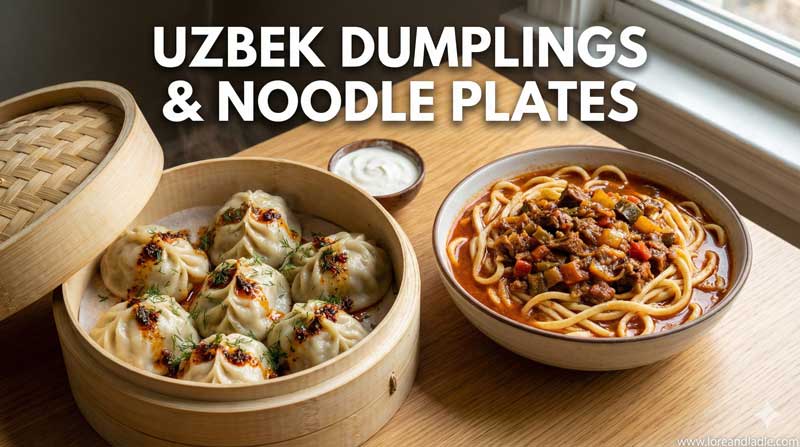
The centerpiece combines grilled kebab with soft manty and fragrant lagman. Kebab brings a smoky aroma from a hot grill. Manty offers delicate dough wrapped around seasoned meat and onion. Lagman presents hand-pulled noodles in a hearty broth with vegetables. Together, they form a balanced trio: grill, steam, and simmer, all harmonized by bright herbs and bold spices. The result is both comforting and vibrant, inviting diners to savor slow, attentive execution.
Core Elements: Kebab, Manty, Lagman
Kebab in Uzbek cuisine hinges on quality meat, brisk flame, and a careful spice mix. Typical flavors include cumin, coriander, garlic, and onion, enhanced by pepper and salt. Manty dumplings showcase precise folding and a plump filling of minced meat and onions, often steamed to keep the dough tender. Lagman noodles, whether hand-pulled or carefully rolled, soak up flavorful broth and vegetables, delivering a satisfying bite with each strand. Each component reflects distinct techniques, yet they share a common thread: skillful balance between texture, aroma, and seasonings.
Craft and Technique
The artistry lies in tradition passed through hands and kitchens. Manty dough is kneaded until smooth, rolled thin, and folded with deliberate pleats to seal in juice. Kebabs rely on steady flame management and careful marination to unlock depth and brightness. Lagman requires patience: kneading dough, pulling long strands, and simmering a broth that blooms with depth from meat, tomatoes, peppers, and herbs. In many Uzbek homes, a tandir or charcoal grill adds a signature smoky note, while copper pots and wooden boards keep time-honored techniques alive. The result is a plate that speaks of practice, pride, and a gentle, rhythmic workflow.
Cultural Value: Hospitality and Shared Meals
Hospitality shines at the heart of this dish. Hosts prepare generous portions to welcome guests, turning a simple supper into a social ritual. Plates are shared; conversations flow as steam rises and scents waft through the room. Tea and ayran often follow, offering cooling contrasts to the warm flavors. Seasonal gatherings, family reunions, and festive Sundays all feature variations of kebab, manty, and lagman, underscoring food’s role in connection and respect. The dish embodies a philosophy of care: every slice, fold, and noodle strand signals welcome and togetherness.
Regional Voices: Uzbek Flavors Across Cities
Uzbekistan’s regions contribute subtle differences. In key cities, kebab can lean toward bolder cumin notes or lighter marinades. Manty shapes vary in size and pleats, reflecting local preferences. Lagman textures shift with noodle thickness and broth richness, influenced by market ingredients and family recipes. This diversity enhances the dish’s richness, inviting cooks and diners to appreciate how place shapes flavor while preserving a shared culinary identity.
Pairings and Presentations
Serve this trio with fresh herbs, sliced onions, and a tangy yogurt drizzle or light tomato-onion relish. A side of airy flatbread completes the meal, ready to scoop up sauce and broth. A cool yogurt drink, such as ayran, balances warmth and spice. The presentation emphasizes harmony: a sizzling kebab plate beside steaming manty, with nest-like lagman inviting gentle twirls of noodles and vegetables.
Conclusion
Authentic Kebab – Uzbekistani Dumplings & Noodle Plates Flavor You’ll Love stands as a tribute to Uzbek culinary heritage. It invites appreciation for craft, warmth, and communal joy. By exploring kebab, manty, and lagman together, readers discover a cuisine that celebrates skill, generosity, and beauty in everyday meals. Whether you prepare it at Home or seek it at a restaurant, you’re tasting a living tradition that honors family, season, and shared delight.