
Introduction
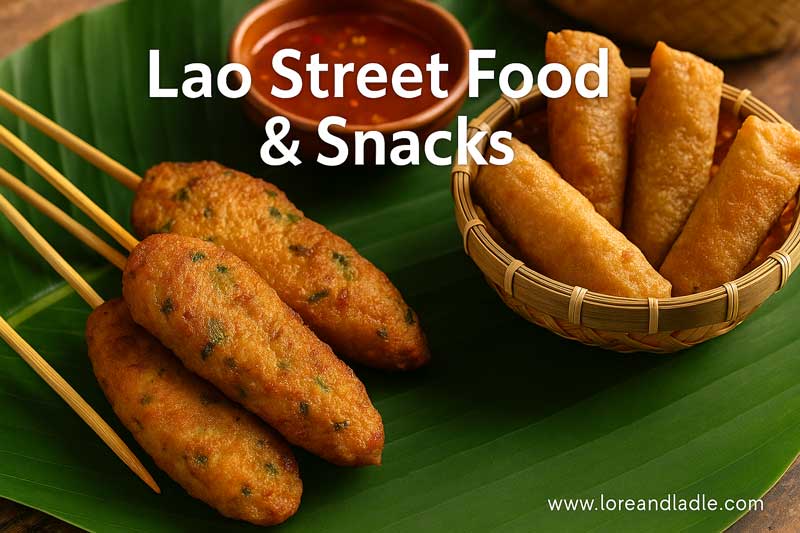
Today, we explore Authentic Lao Street Food & Snacks You Can Make at Home. This dish acts as a bridge between vibrant street markets and warm, shared meals at home. It celebrates Lao culinary craft, where every bite carries the rhythm of community, fresh markets, and daily life. The focus here is on cultural value and culinary significance, inviting you to taste the balance, aroma, and texture that Lao cooks bring to the table. By inviting these flavors into your kitchen, you honor the tradition of Lao street foods while shaping your own family moments around good food.
The Language of Lao Flavor
Lao cooking speaks through balance. Sour, salty, spicy, and fresh notes mingle with fragrant herbs and earthy grains. The sour comes from lime or green papaya; the salt from fish sauce or fermented ingredients; the heat from chilies; the freshness from mint, cilantro, and dill. This harmony mirrors a view of food as a daily celebration—meant to be shared with neighbors and loved ones. In street stalls, cooks layer textures—from crisp fried elements to tender grilled meat—creating a quick, satisfying bite. Translating that experience at home invites you to tune seasonings, adjust acidity, and savor the aroma of herbs blooming in a hot pan.
Staples That Shape Lao Street Food
Several elements repeatedly appear in Lao street foods, giving the cuisine its distinctive voice:
– Sticky rice as a unifying staple, always ready to scoop or wrap.
– Fresh herbs and greens that brighten every dish.
– Bright lime, fish sauce, and chili for bold, clean seasoning.
– Crisp textures from grilled, fried, or pickled components.
– Simple techniques, often relying on a mortar and pestle to release true aroma.
Understanding these building blocks helps you recreate authentic flavors with confidence, whether you’re cooking for a quiet weeknight or a lively weekend gathering. The result is a meal that feels both adventurous and comforting, a bridge between street food and Home Cooking.
Essential Techniques and Tools
To honor Lao technique, a few simple tools make a big difference:
– A mortar and pestle for pounding herbs, chilies, and garlic to release essential oils.
– A steamer or bamboo basket for softening sticky rice and warming delicate ingredients.
– A sharp knife for clean cuts of meat and vegetables.
– A small skillet or wok to quickly sear proteins and wake up aromatics.
Technique matters as much as ingredients. Quick sears lock in juices, while gentle mixing folds herbs evenly through a dish. When you align technique with the flavors Lao cooks chase, the dish shines with clarity and depth.
Recreating Authentic Lao Street Food at Home
Authentic Lao Street Food & Snacks You Can Make at Home invites you to build a simple, respectful home menu. Here are ideas you can test in your kitchen, with notes on cultural significance and flavor balance.
-
Larb (Lao minced meat salad) in lettuce cups: Use ground pork or chicken, lime juice, fish sauce, toasted rice powder for texture, and a generous handful of mint and cilantro. Toss quickly and serve in crisp lettuce leaves. This dish embodies fresh herb brightness and a clean, tangy finish that speaks to communal meals shared at open-air stalls.
-
Jaew dips with vegetables and sticky rice: Prepare a bright chili-lime sauce with roasted chiles, shallots, garlic, and fish sauce. Serve with fresh vegetables and steamed sticky rice. The jaew acts as a savory anchor, inviting conversation and dipping as friends gather.
-
Som Tam Lao-style papaya salad: Shredded green papaya, lime, palm sugar, fish sauce, garlic, and chilies combine for a bright, crunchy salad. If you’re new to the dish, start with a smaller amount of chili and build heat gradually. The refreshing tang and crisp textures capture the energy of a Lao street stall.
-
Sai oua (Lao sausage) with herbs: Grilled sausage spiked with lemongrass, kaffir lime, and herbs pairs beautifully with sticky rice. Slice thinly and serve with fresh herbs for a fragrant, satisfying bite.
-
Sticky rice treats and sweet-savory bites: Serve warm sticky rice with a drizzle of coconut milk or a touch of palm sugar. These small, comforting bites highlight the versatility of sticky rice as a daily staple and a comforting dessert.
-
Mok pa or fish steamed in banana leaves: A simple steam approach with fragrant herbs and a touch of fish sauce creates a delicate, aromatic dish that speaks to riverine ingredients and careful steaming.
These ideas stay true to Lao culinary essence while offering approachable paths for home cooks. Use fresh herbs generously, taste as you go, and let the dish reveal its balance through small adjustments. Each bite becomes a testament to the warmth of Lao street food culture and its enduring appeal in the home kitchen.
A Menu of Home-Friendly Snacks
To keep your explorations approachable, try these snack ideas, each reinforcing the cultural value of sharing and seasonal flavors:
– Herb-forward bites: A small plate of fresh herbs, spiced with lime and a hint of chili, alongside crisp vegetables and sticky rice.
– Quick larb scoops: Prepare a light larb filling and serve in crisp lettuce cups for a quick, vibrant snack.
– Papaya salad cups: Shred papaya and toss with lime, fish sauce, and peppers; spoon into small cups as finger food.
– Grilled meat skewers: Marinade meat with lemongrass, garlic, and fish sauce, then grill and serve with herbs and rice.
– Sweet coconut rice bites: Cook sticky rice with coconut milk and a hint of palm sugar, shaped into small servings for dessert or a sweet snack.
These options keep the spirit of Lao street food alive: fresh ingredients, balanced flavors, and a sense of shared pleasure. They’re ideal for busy weeknights or casual gatherings, offering authentic taste without complexity.
The Cultural Value of Making and Sharing
Cooking these dishes at home honors Lao culinary heritage in a meaningful way. Food becomes a social thread—meals that invite conversation, hospitality, and mutual delight. When you prepare and share Lao snacks with friends or family, you participate in a long tradition of kitchens and markets where food is a common language. The practice of cleaning herbs, balancing brightness with depth, and presenting dishes with care reveals a thoughtful approach to nourishment. In this way, Authentic Lao Street Food & Snacks You Can Make at Home is more than a collection of recipes; it is a doorway to understanding a cuisine that prizes freshness, balance, and community.
Tips for Honoring the Tradition
- Use fresh ingredients whenever possible; Lao flavors rely on brightness and aroma.
- Taste as you cook; adjust lime, fish sauce, and chili to achieve balance.
- Respect the texture mix: combine crisp, tender, and chewy elements for a satisfying bite.
- Keep portions modest and share generously; dishes come to life when meals are shared with others.
Conclusion
Authentic Lao Street Food & Snacks You Can Make at Home invites you to savor the beauty and culinary significance of Lao street cuisine. By embracing fresh herbs, bright acidity, and careful technique, you can recreate dishes that feel both genuine and comforting. The experience invites curiosity and celebration—the kind of cooking that makes friends, families, and neighborhoods feel closer. Enjoy the process, savor the flavors, and let Lao street food inspire your own kitchen moments with warmth and respect.