
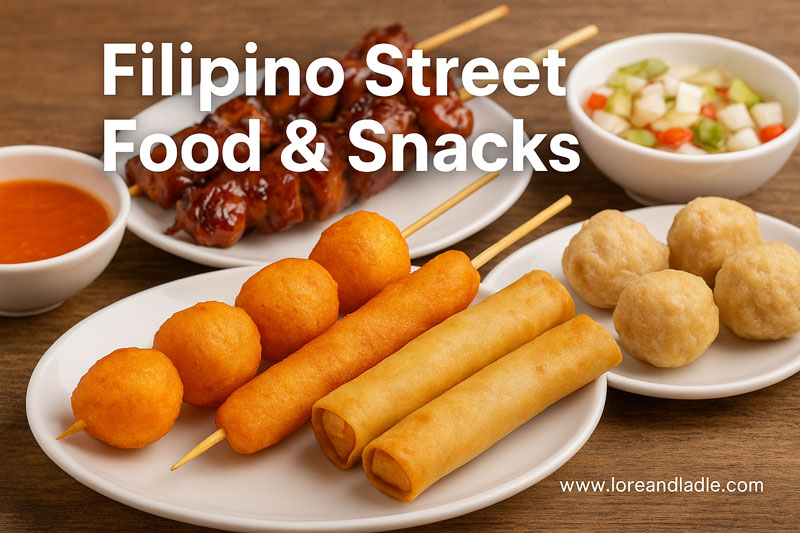
How to Make Authentic Lumpia at Home in the U.S.
Lumpia is a small roll of bright flavors wrapped in a thin cloak. Here, the crunch of the wrapper meets the tenderness of the filling. It is a dish built for sharing, enjoyed in many homes across the United States. This post invites you to explore its charm with warmth and clarity, without getting lost in complexity. How to Make Authentic Lumpia at Home in the U.S. can be a delightful kitchen project that respects tradition while fitting modern lives.
Lumpia holds a place of pride in many families. It appears at gatherings, celebrations, or simple weekend meals. The appeal lies not only in taste but in the moment—the process of putting fillings together, wrapping with care, and presenting others with a small, crisp package. The experience blends care, skill, and generosity, all in a single bite. This article focuses on cultural value, flavors, textures, key characteristics, occasions, and ways people enjoy lumpia, all in a neutral, welcoming voice.
Flavors and Textures at the Core
What makes lumpia sing is a careful balance. The wrapper offers a clean, delicate crunch. The filling provides savor and warmth, often a mix of pork or shrimp with vegetables. You might taste sweetness from carrots, earthiness from cabbage, and a gentle savor from garlic and shallots. A dash of pepper, a hint of soy sauce, and a touch of sesame oil can tie those notes together without overpowering them. The result is a contrast you can feel: the snap of the wrapper against a soft interior, the harmony of salty, sweet, and a little tang.
There are two common routes. The fried lumpia gives a golden, crackly exterior. The fresh or “unfried” lumpia offers a softer, lighter bite with a silky wrapper. Each route presents a different texture story, yet both celebrate a crisp exterior and a flavorful center. In the U.S., families often decide based on the event, the season, and the preferred mood of the gathering. The goal remains the same: a balanced bite that speaks of care and craft.
Key Ingredients and Where to Find Them in the U.S.
To build lumpia, you gather wrappers, a filling, and a simple dipping companion. Wrappers come in varieties. Thin lumpia wrappers produce a delicate shell. Egg roll wrappers offer a bit more bite and sturdiness. Some cooks in the United States also use rice paper for lighter, fresher rolls. The choice of wrapper changes the texture, and that variety is part of the dish’s charm.
Inside the filling, you’ll typically find a mix of protein, vegetables, and aromatics. Common proteins include ground pork, minced shrimp, or a combination of both. Vegetables like cabbage, carrots, and bean sprouts bring color and crunch. Aromatics—garlic, onions, ginger—add warmth. A small amount of green onion offers a fresh finish. Seasonings such as soy sauce, pepper, and a splash of sesame oil help unite flavors without drowning any single note. You can find these ingredients widely in U.S. grocery stores, Asian markets, or international aisles, making the dish accessible in many places.
If you want non-meat options, you can explore fillings built around mushrooms, tofu, or other vegetables. The key is to keep a satisfying texture—crisp bits with a tender interior—and to balance savory flavors with a touch of brightness, perhaps from a pinch of sugar or a light acid from a vinegar-based dip. The ingredient mix should feel complete on its own, yet open to personalization.
Wrappers, Fillings, and Their Dance
A gentle rhythm guides lumpia: wrapper, filling, seal, finish. Wrappers provide the stage, the filling supplies the heart, and the final touch completes the performance. When you mix textures, you invite a more engaging eating experience.
Filling ideas at a high level include:
- A pork-forward mix with finely chopped vegetables for a traditional profile.
- A shrimp-and-pork blend for a seafood-savory balance.
- A vegetarian mix with mushrooms, cabbage, carrots, and bean sprouts that stays juicy without relying on meat.
- A tofu-based option with grated vegetables and a savory glaze to mimic the depth of meat.
Different wrappers will change the mouthfeel. Very thin wrappers crisp quickly and keep a light bite, while sturdier wrappers hold more filling and feel substantial. The wrapper choice is a design choice, not a rule, and it helps you tailor lumpia to your kitchen and your guests.
Ways Lumpia Fits in Everyday Occasions
Lumpia has a natural home in many settings. It serves as a light appetizer at gatherings, a snack for Busy days, or a festive dish for celebrations. In the United States, families may prepare lumpia for weekend meals, birthday parties, or holiday gatherings. The compact size makes it easy to share, arrange on a platter, and nibble at a rhythm that suits conversation.
The rolling and frying or serving process becomes a small ritual in itself. Friends and family gather around the counter, talk flows, and a plate of warm lumpia moves from person to person. That moment—the simple act of assembling, sharing, and enjoying—often becomes a comforting memory. The dish invites conversation about flavors, textures, and the joy of watching a recipe come to life in a familiar kitchen.
A Simple, Respectful Approach to Making Lumpia at Home in the U.S.
How to Make Authentic Lumpia at Home in the U.S. can be learned with patience and practice. Start with a clear plan, gather ready components, and keep the process comfortable. You can choose a straightforward filling and a wrapper you enjoy, then decide whether to fry or serve it fresh.
In practice, you can break the work into friendly steps: prepare the filling in a pan or bowl, lay out wrappers on a clean surface, and practice a few gentle folds to seal. The goal is not speed but a sense of balance and care. Clean hands and a tidy workspace help keep the experience enjoyable. You may find it helpful to line up the stages in advance—mise en place—so the process flows smoothly and you can focus on texture and flavor as you proceed.
If you ever want an accessible reminder of the journey, remember the phrase How to Make Authentic Lumpia at Home in the U.S. It signals a path that honors tradition while fitting a modern kitchen. The key is to stay flexible, keep an eye on the textures, and enjoy the learning along the way.
Dipping Sauces and Serving Ideas
A good dip finishes the lumpia experience. Common complements include sweet chili sauce, a light vinegar and garlic dip, or a tangy soy-vinegar sauce. These dips brighten the filling and bring a moment of contrast to the crisp shell. You can offer a few options so guests choose their preferred level of sweetness, acidity, or heat.
To serve, arrange lumpia on a platter with garnish—thinly sliced scallions, cucumber coins, or carrot ribbons can brighten the presentation. A small pile of dipping sauces in bowls provides color and choice. The combination of crisp shell, moist interior, and a bright dipping sauce creates a balanced, satisfying bite.
Making It Your Own: Variations and Substitutions
The core idea of lumpia invites adaptation. If you want to tailor it to your pantry, you can try:
- A meat-light version with extra vegetables and beansprouts for crunch.
- A seafood-forward option that highlights shrimp with gentle aromatics.
- A richer flavor profile with a touch of toasted sesame oil or a hint of five-spice.
- A vegetarian route using mushrooms, cabbage, carrots, and tofu crumbles for texture and bite.
In each case, aim for a filling that remains juicy enough to stay moist inside the wrapper, yet not so wet that the wrapper becomes soggy. The wrapper should stay crisp against the filling’s tenderness.
Cultural Value, Shared Moments, and Traditions
Lumpia carries a sense of home, tradition, and care. It is more than a snack; it is a way people come together to celebrate food, learn techniques, and share memories. The act of wrapping and frying becomes a shared craft, passed down in quiet, patient ways from one person to another. The aroma of garlic, onion, and toasted wrapper can evoke family kitchens and warm conversations.
In many households, lumpia is tied to occasions that call for a festive mood—small gatherings, birthdays, or weekend treats. The beauty of the dish lies in its ability to bring people to the table with a sense of comfort and welcome. It invites people to pause, savor, and connect through a simple, well-made bite. The dish remains neutral in tone, inviting curiosity and appreciation without needing grand pronouncements.
Closing Thoughts
How to Make Authentic Lumpia at Home in the U.S. opens a door to a dish that is both simple and expressive. The wrapper’s crispness and the filling’s depth offer a balanced experience. Its adaptability makes it suitable for a wide range of kitchens and occasions, from quiet afternoons at home to lively gatherings with friends and family.
The journey of lumpia emphasizes care, planning, and respect for flavors. It welcomes cooks to experiment while honoring traditional ideas about balance and presentation. Whether you choose a classic pork-and-vegetable filling or a lighter, vegetarian mix, the key remains the same: a well-wrapped bite, crisp when fried or tender when fresh, complemented by a bright dipping sauce.
If you decide to try lumpia at home, you may discover a comforting ritual: gathering ingredients, assembling with patience, and sharing the results with others. The dish can become a small, reliable source of warmth in a busy week, a reason to pause and enjoy a moment of flavor, texture, and simple celebration.
How to Make Authentic Lumpia at Home in the U.S. offers a clear path to the table that respects tradition while welcoming modern convenience. The result is not just food but a moment of connection—between cooks, flavors, and friends. Enjoy the process, celebrate the results, and let lumpia become a modest but meaningful part of your cooking repertoire.