
The Hook
On a quiet Saturday afternoon, a pot sits on the stove and the kitchen fills with a clean, inviting steam. The family gathers nearby, bowls ready, conversations soft. How to Make Authentic Nilagang Baka at Home for U.S. home cooks sits in a small notebook on the counter, a simple plan for a warm, clear broth and tender beef shared with vegetables. The scene feels ordinary and comforting, a reminder that food can steady a busy day and bring a gentle smile to the table.
The Trust Indicator
Jump to Recipe—Here’s the quick take on How to Make Authentic Nilagang Baka at Home for U.S. home cooks: it centers on a clear, light broth, beef that becomes fork-tender, and a handful of vegetables that stay bright. It uses common groceries and a straightforward method, flexible to your pantry. Core idea: simmer beef with water and aromatics, skim lightly, add vegetables, and season lightly to taste. It’s a dish you can tailor with what you have, keeping the flavor balanced and comforting, perfect for a family dinner or a cozy weekend meal.
The Deep Dive
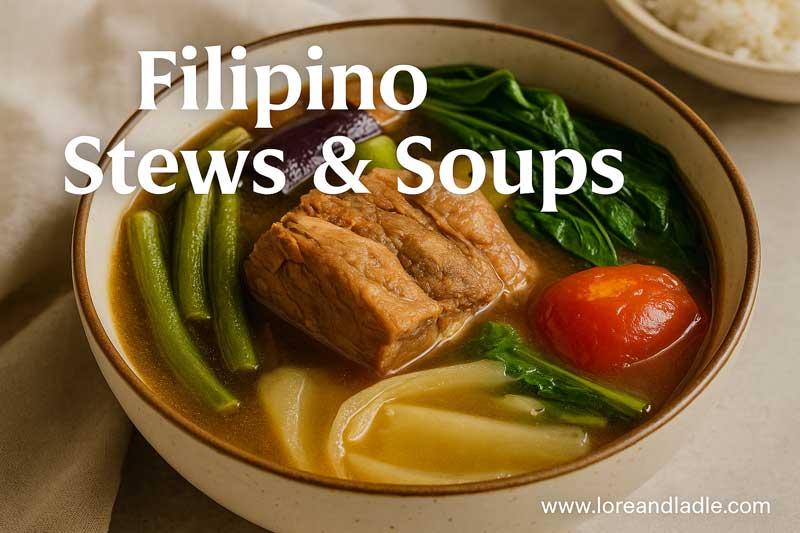
Nilagang Baka is known for its cleanliness of flavor, a calm blend of beef, aromatics, and vegetables. The broth is pale and clear, a sign of careful simmering rather than heavy sauces. The beef offers a satisfying, yielding texture, often from bone-in cuts that release gentle richness as they cook. Vegetables—potatoes, cabbage, and sometimes corn or carrots—join later, maintaining their distinct textures while absorbing the broth’s warmth.
Culturally, nilaga sits at the center of everyday life. It travels through weeknights and weekend gatherings with the same quiet purpose: to nourish and to invite conversation across the table. The dish invites simple garnishes and dipping condiments, such as a dash of salt or fish sauce and a squeeze of citrus, letting each diner adjust the brightness to taste. It welcomes variation—different vegetables by season, different cuts of beef—yet keeps a clear identity: a clean broth, tender meat, and tender-crisp vegetables.
In daily life, How to Make Authentic Nilagang Baka at Home for U.S. home cooks can become a small ritual. A pot that slowly steams, bowls lined up, rice steaming in the next room, and a moment to pause before everyone digs in. People enjoy the subtle sweetness from onions and the gentle pepper aroma, the way the potato melts softly on the palate, and the way cabbage leaves offer a gentle bite. It is a dish that fosters calm togetherness, a reliable staple when comfort is welcome and time is steady.
This dish also travels nicely in a home kitchen with a modern pantry. You can start with a straightforward beef cut and a few vegetables, then adapt as you like—perhaps adding corn on the cob for a touch of sweetness or a bay leaf for a hint of fragrance. The beauty lies in balance: clear broth, meat that yields, vegetables that offer color and texture, and a gentle finish that invites a spoonful of rice.
The Recipe Card
The Recipe Card
How to Make Authentic Nilagang Baka at Home for U.S. home cooks
Ingredients:
– 1.5–2 pounds bone-in beef (shank or brisket work well)
– 6–8 cups water
– 1 large onion, peeled
– 2–3 medium potatoes, peeled
– 1 small head cabbage or bok choy, cut into pieces
– 3–4 green onions, cut into segments
– 6–8 black peppercorns
– Salt or fish sauce to taste
– Optional: corn on the cob, carrots, garlic, bay leaf
High-level method:
– In a pot, simmer the beef in water with the onion, peppercorns, and a light touch of salt to create a clear broth; when the beef is tender, add vegetables and cook until they are just tender; finish with a touch of salt or fish sauce to taste; serve hot with steamed rice and, if desired, a wedge of citrus for brightness.
This compact card captures the core ingredients and a simple, high-level approach to How to Make Authentic Nilagang Baka at Home for U.S. home cooks, leaving room for personal touch and family preferences. The result is a dish that feels familiar, soothing, and satisfying—ready to share at the table with care and warmth.