
Introduction
Food carries memory, warmth, and community. Pancit, in its many forms, is a dish that invites sharing and conversation. Pancit Bihon, with its delicate rice noodles and bright flavors, has earned a special place on tables that celebrate everyday meals and festive gatherings alike. For readers curious about current kitchen trends, you may hear about How to Make Authentic Pancit Bihon at Home that are Trending in America. This post explores the dish with a focus on flavor, texture, and tradition, while keeping the guidance high level and kitchen-friendly. It offers ideas for how to enjoy Pancit Bihon in homes across the United States, emphasizing culture, balance, and simple joy.
What Pancit Bihon Is
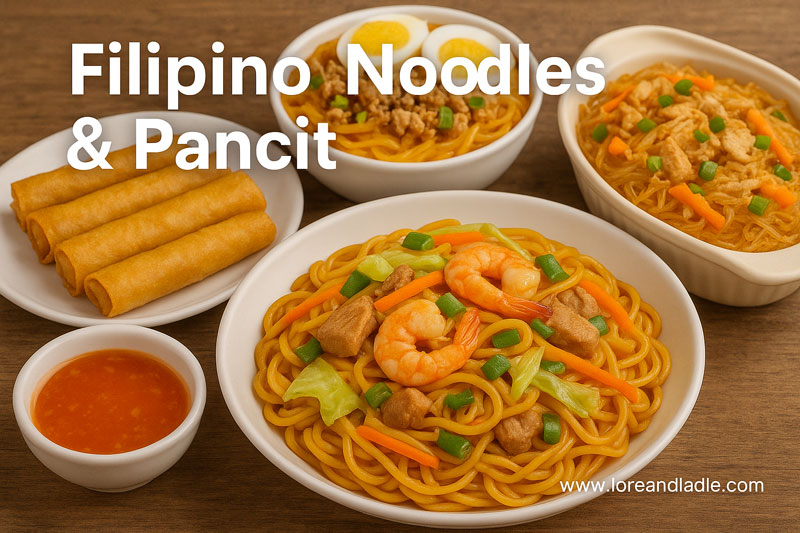
Pancit Bihon is a Filipino noodle dish built around thin rice noodles called bihon. The name pancit comes from a word that signals a dish of noodles that is easy to share and to savor with others. Bihon noodles cook quickly and soak up the flavors of a savory sauce and aromatics. The dish commonly features a mix of protein—such as chicken, pork, or shrimp—and a colorful array of vegetables. The result is a bright, comforting plate that can feel both everyday and special. In conversations about how to prepare this dish at home, you may encounter How to Make Authentic Pancit Bihon at Home that are trending in America, highlighting how many home cooks are embracing it with their own twists.
Flavor, Texture, and Key Characteristics
What makes Pancit Bihon feel distinct is its harmony of taste and texture. The noodles offer a silky, slender bite that carries a savory glaze. Aromatics like garlic and onion add a warm foundation, often seasoned with salty soy and a touch of sweetness. Vegetables contribute color and crunch, creating contrast with the tender protein. A squeeze of citrus or a light tang from a fish-sauce note can brighten the plate, depending on the household recipe. The dish balances savory depth with brightness, and it shines when the ingredients are prepared to stay distinct while mingling at the table. The result is a dish that feels both comforting and refreshing in one bite. If you’re exploring trends with How to Make Authentic Pancit Bihon at Home that are trending in America, you’ll notice a preference for clean, well-balanced flavors that highlight the noodles themselves.
High-Level Ingredient Ideas
At a high level, you’ll find a friendly mix of components in Pancit Bihon:
– Noodles: thin bihon rice noodles, chosen for their quick cooking and delicate texture.
– Protein: chicken, pork, shrimp, or a combination. Some cooks also add tofu for variety.
– Aromatics: garlic and onion are foundational, with ginger sometimes showing up for warmth.
– Vegetables: carrots, cabbage, bell pepper, snow peas, and scallions provide color and crunch.
– Sauce elements: soy sauce or a soy-sauce-like seasoning, plus a touch of broth or stock for moisture and depth.
– Finish and garnish: lime or lemon wedges, extra scallions, toasted garlic bits, and a light sprinkle of pepper or chili for heat if desired.
These ingredients offer room to adapt to taste and pantry. In discussions of current trends, How to Make Authentic Pancit Bihon at Home that are trending in America often mentions flexible fillings and accessible pantry staples.
Techniques at a Glance
You’ll find that the technique for Pancit Bihon emphasizes quick, high-heat cooking and gentle folding of flavors. At a high level:
– Soak or loosen the bihon noodles so they separate easily without clumping.
– Sauté aromatics briefly to release their perfume and awakening flavor.
– Cook the protein until just ready, then add vegetables to keep their color and bite.
– Combine the noodles with the sauce and protein, tossing steadily so the noodles absorb flavor without becoming mushy.
– Finish with brightness from citrus and freshness from herbs or scallions.
These steps provide a concise framework for a home cook. For readers curious about how to approach this dish in America, you might see How to Make Authentic Pancit Bihon at Home that are trending in America referenced as a guide to adapting technique to any kitchen.
Occasions and Ways People Enjoy It
Pancit Bihon suits many moments. It works well as a weeknight centerpiece when the family gathers after a busy day. It also appears at larger celebrations, where a platter of noodles can be shared by many guests. Some households serve Pancit Bihon as a mid-meal option during family reunions or casual weekend gatherings. The dish adapts to both simple and festive tables. A squeeze of citrus at the end adds a bright note that pairs nicely with a range of side dishes. The versatility invites cooks to present the dish in a large dish or in individual bowls, depending on the occasion. For readers curious about contemporary expression, How to Make Authentic Pancit Bihon at Home that are trending in America demonstrates how families use the dish as a reliable centerpiece that travels well on a shared table.
Cultural Value and Non-Political Traditions
This dish embodies a spirit of togetherness and shared labor. It invites family members to gather in the kitchen, take part in preparation, and enjoy the moment of bringing a meal to the table. The act of preparing Pancit Bihon can become a small family ritual—coordinating tasks, discussing flavors, and offering tastes as the dish comes together. The visual appeal—the noodles tucked with colorful vegetables and glistening sauce—adds a sense of celebration to everyday life. Across households, the dish often carries a sense of comfort and hospitality: guests are welcomed with warmth, and the cooking itself becomes a bridge between generations as older flavors meet new twists. Discussions about How to Make Authentic Pancit Bihon at Home that are trending in America often highlight how cooks balance tradition with creative influence in a respectful, joyful way.
Variations Trending in America
In kitchens across the country, cooks are exploring gentle adaptations that keep the dish recognizable while embracing local palates. You’ll notice protein choices shifting with dietary preferences, such as chicken substitutions or plant-based proteins like tofu and tempeh. Some cooks feature a stronger vegetable emphasis, using a wider array of colors and textures to reflect seasonal produce. Gluten-free options may rely on tamari or gluten-free soy sauces. For flavor, some households emphasize citrus brightness or a dash of pepper to suit personal heat tolerance. In conversation about trends, How to Make Authentic Pancit Bihon at Home that are trending in America is often cited as a touchstone for home cooks who want to honor tradition while enjoying contemporary ingredients and methods. The approach remains focused on balance: delicate noodles, vibrant vegetables, and savoriness that doesn’t overwhelm.
Ingredient Sourcing in America
America offers a wide range of options for ingredients. You can find bihon noodles in many markets, often in the rice or Asian goods aisle. Fresh vegetables—carrots, cabbage, peppers—are widely available. For proteins, chicken and shrimp are common, with pork as another staple. If you prefer plant-forward meals, tofu works well with the same flavor base. When certain ingredients are hard to locate, substitutions that maintain the flavor profile are common—such as different greens for texture or a soy-based sauce for depth. The idea behind How to Make Authentic Pancit Bihon at Home that are trending in America often includes flexible ingredients that align with regional produce and dietary choices, ensuring the dish remains accessible to a broad home audience.
Quick Tips for Balancing Flavor and Texture
- Aim for a quick cook on the protein to keep it tender.
- Maintain a crisp edge on vegetables to preserve color and bite.
- Use a gentle hand with the sauce so the noodles do not become overly soft.
- Finish with a bright citrus note to lift the whole dish.
- Keep a little extra garnish handy for people who want a stronger citrus aroma or additional crunch.
These practical ideas support cooks who want to enjoy How to Make Authentic Pancit Bihon at Home that are trending in America while keeping the dish balanced and harmonious.
Glossary of Terms (Brief)
- Bihon: thin rice noodles used in this dish.
- Pancit: a general term for Filipino noodle dishes; many styles exist.
- Tamari or soy sauce: adds savory depth and saltiness.
- Garnish: ingredients added at the end for color and brightness, such as scallions or lime.
A Simple Path to Enjoyment
If you’re new to this dish, begin with a basic combination of bihon noodles, a modest amount of protein, and a handful of vegetables. Focus on the balance of savoriness from the sauce, the gentle aroma from garlic and onion, and the freshness from lime or scallions. As you gain confidence, you can explore additional vegetables, different protein combinations, or a hint of spice. The goal remains clear: produce a plate that feels welcoming, vibrant, and comforting. In discussions about contemporary cooking, How to Make Authentic Pancit Bihon at Home that are trending in America often serves as a reminder that time-honored flavors can blend with modern kitchens without losing their character.
Conclusion
Pancit Bihon is more than a dish; it is an invitation to share a meal with care and attention. Its light noodles, savory-sweet glaze, and crisp vegetables create a plate that feels both fresh and familiar. The dish adapts to many settings, from casual weeknights to special gatherings, and it travels well in homes across America. By focusing on flavor, texture, and balanced ingredients, cooks can honor the essence of Pancit Bihon while making it accessible and enjoyable for a wide audience. As you explore the kitchen and try your own versions, you may find that the best moments arise when the noodles meet the sauce, the vegetables glow with color, and the table fills with talking, laughter, and the simple pleasure of sharing a meal. And if you’re curious about how to bring this favorite to life in your own kitchen, remember How to Make Authentic Pancit Bihon at Home that are trending in America can be a helpful guide as you begin your journey toward a delicious, well-balanced plate.