
How to Make Authentic Pancit Bihon at Home that are trending in America
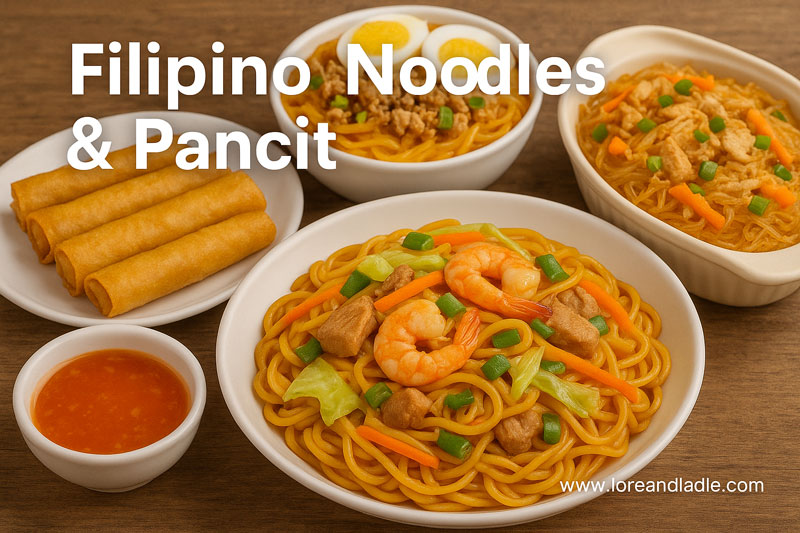
Pancit bihon has a bright, inviting presence on many American tables. The dish blends slender bihon rice noodles with a savory kiss of soy, garlic, and aromatics. It features vegetables, a choice of protein, and a glossy finish that catches the eye. In America, this dish has become a reliable favorite for weeknights and celebrations alike. It offers color, aroma, and a comforting balance of flavors. This post invites you to explore How to Make Authentic Pancit Bihon at Home that are Trending in America, with high-level ideas you can adapt to your kitchen.
What makes pancit bihon special starts with the noodles. The bihon are thin and soft, yet they hold up when tossed with hot pan ingredients. The vegetables add crunch and brightness. The protein—whether chicken, shrimp, pork, or tofu—brings heartiness without overpowering the dish. A light sauce ties everything together, so no single element dominates. The beauty often shows in simple contrasts: a glisten of sauce against crisp vegetables, and a hint of citrus at the end.
This dish shines when prepared with care, but you can tailor it to what you have on hand. You may adjust the vegetables, swap proteins, and choose your preferred level of seasoning. The goal remains clear: a balanced plate with a pleasing mix of textures and a savory, satisfying aroma. in the following sections, you’ll find a calm, practical guide to appreciating and shaping How to Make Authentic Pancit Bihon at Home that are trending in America in your own kitchen.
A Dish of Flavor and Texture
Pancit bihon delights the senses in several ways. The first impression is aroma: garlic, onion, and a touch of sesame or citrus rise from the pan. The second is texture. The noodles are pliable and soft, yet they can be a touch springy from quick tossing. Vegetables contribute crunch and color—carrots offer a bright orange, cabbage adds a pale green, and peppers bring red or yellow hues. The protein adds depth and a savory finish.
Flavor in this dish sits on a gentle foundation. Salt from soy sauce blends with a touch of sweetness, and a hint of fish sauce or lime juice can lift the profile in a subtle way. If you prefer a smoky note, a quick sear for the protein or a light drizzle of sesame oil can add depth without overpowering the dish. The balance is key: savory base, bright accents, and a clean aftertaste that invites another bite.
People in America enjoy pancit bihon in many moments. A family dinner often features a pot of noodles shared among everyone. A casual lunch can showcase a lighter version with lean protein and crisp vegetables. At gatherings, the dish travels well on a warm serving plate and pairs nicely with fresh citrus wedges for a bright finish. The dish invites social meals, simple rituals, and shared plates that feel welcoming and homey.
Key Characteristics of Pancit Bihon
- Noodles: The bihon are thin, rice-based noodles that soak up sauce while staying tender. They should not collapse into mush but stay coherent enough to pick up with chopsticks or forks.
- Sauce: A balanced, savory glaze coats the noodles. Soy informs the base, with possible touches of mushroom soy, fish sauce, or a pinch of sugar to soften the saltiness.
- Protein options: Chicken and shrimp are common, but pork, beef, or tofu fit well too. The protein is sliced into slender pieces that cook quickly and mirror the dish’s delicate texture.
- Vegetables: Carrots, green beans, cabbage, and bell peppers are typical. They add color and a crisp to soft contrast.
- Finish: A squeeze of calamansi or lime brightens the plate. A few fried shallots or chopped scallions can offer a final aromatic lift.
- Color and presentation: The dish often features vibrant greens from vegetables, warm oranges from carrots, and a glossy sheen from the sauce. The result is inviting, with a clean plate that feels balanced and complete.
These characteristics make How to Make Authentic Pancit Bihon at Home that are trending in America appealing to many cooks. The dish travels well from pan to plate and adapts to different kitchen setups. It respects tradition while inviting personal touches. The result is a meal that feels comforting, fresh, and thoughtfully prepared.
Occasions and Ways People Enjoy Pancit Bihon
Pancit bihon fits a wide range of occasions. It’s ideal for family dinners, where everyone can gather around a shared plate and pick out favorites. It works well for potlucks, where a generous, colorful dish stands out on a buffet line. It can be a centerpiece at a casual celebration or a simple weeknight meal when you want something satisfying without fuss.
People enjoy pancit bihon in several meaningful ways. Some serve it with lemon or calamansi wedges on the side for a bright finish. Others add toppings such as sliced hard-boiled eggs, chopped scallions, or crispy elements like fried shallots or small bits of pork cracklings for texture contrast. Many households prepare it with a mix of seafood or chicken to fit family preferences and dietary needs.
The dish also adapts to seasonal ingredients. In warmer months, lighter vegetables and citrus can feel particularly refreshing. In cooler times, a heartier protein and a broader aroma from garlic and onion can create a cozy, comforting plate. Across different homes, the dish becomes a canvas for small rituals—how finely you slice the vegetables, how you arrange the plate, and how you finish with a sprinkle of citrus or herbs.
If you explore How to Make Authentic Pancit Bihon at Home that are trending in America, you’ll notice how cooks harmonize the elements: the noodles, the vegetables, the protein, and the sauce. The goal is not complexity but balance. A well-made pancit bihon invites conversation at the table and a sense of shared hospitality. It is a dish that welcomes both the familiar and the new, offering a steady rhythm of flavors and textures that many find comforting.
High-Level Ideas for the Recipe (A Broad, Practical Path)
This section provides high-level ideas to shape How to Make Authentic Pancit Bihon at Home that are trending in America without diving into step-by-step instructions. Think of it as a compass for home cooks who want to start with a solid concept and then adjust.
- Start with the base: Choose bihon rice noodles as the main strand. Consider soaking them briefly or preparing them in a manner that keeps them distinct and soft, ready to mingle with the sauce.
- Build aromatics: Garlic and onion form the core aroma. You may add a touch of ginger for brightness or a dash of pepper for subtle heat.
- Pick a protein path: Common options are sliced chicken, shrimp, pork, or tofu. You can combine a couple of proteins if you like, but keep the pieces slender so they cook quickly and mix evenly with noodles.
- Choose vegetables for texture and color: Carrots for warmth, green beans or snow peas for snap, cabbage or bok choy for body. A little pepper or broccoli can also work nicely.
- Create a modest sauce: A simple blend of soy sauce, a hint of sugar, and a touch of acidity (lime or calamansi) usually does the trick. Some households add a splash of fish sauce or a whisper of sesame oil for depth.
- Finish with brightness: A squeeze of citrus, fresh scallions, and a light sprinkle of sesame seeds can lift the dish without overpowering it.
- Balance is the goal: Aim for a glossy coating on the noodles, a balance between soft and crisp textures, and a harmonious taste that lingers pleasantly on the palate.
If you search for How to Make Authentic Pancit Bihon at Home that are trending in America, you’ll see that cooks everywhere emphasize a calm pace, mindful chopping, and a sense of care in the final plate. The core idea remains: a friendly, flexible dish that can honor tradition while embracing personal preferences.
Shopping and Pantry Notes
- Noodles: Bihon rice noodles are the star. Look for thin, firm noodles that cook quickly.
- Protein: Chicken, shrimp, pork, or tofu. Choose cuts that slice into slender pieces for even cooking.
- Aromatics: Garlic, onion, and a little ginger (optional) form the backbone of flavor.
- Vegetables: Carrots, cabbage, green beans, bell peppers, and leafy greens like napa cabbage or bok choy.
- Sauce elements: Soy sauce as the base, a small amount of sugar or honey for balance, and an acidic finish from calamansi or lime. Fish sauce adds depth for some cooks, but it’s optional.
- Garnishes and finish: Calamansi or lime wedges, sliced scallions, sesame seeds, and optional crispy toppings like fried shallots or small pieces of chicharrón.
- Equipment considerations: A wide pan or wok helps create an even, quick toss. A spatula or tongs makes it easier to keep the noodles from clumping.
This pantry approach supports How to Make Authentic Pancit Bihon at Home that are trending in America by keeping ingredients simple, versatile, and accessible. You can shop seasonally and locally, swap proteins to fit preferences, and still deliver a dish that feels cohesive and well-made.
A Quiet Celebration of the Dish
Pancit bihon is more than a plate of noodles. It represents a comforting approach to shared meals, where people gather to enjoy care put into the cooking, and to savor flavors that feel familiar and fresh at once. The dish invites gentle conversations, a normal pace in the kitchen, and a sense of pride in a home-cooked tradition. It is a dish that travels well across kitchens, adapting to what is on hand while preserving its core identity: a balanced, satisfying stir-fry that celebrates color, texture, and aroma.
The beauty of How to Make Authentic Pancit Bihon at Home that are trending in America lies in its accessibility and warmth. It does not demand elaborate equipment or long, complex steps. It rewards someone who takes a few minutes to prepare aromatics, gather ingredients, and give the noodles a respectful toss in the pan. The result is a plate that looks inviting, smells comforting, and tastefully blends flavors that are both bright and mellow.
Final Thoughts
Pancit bihon has a gentle, enduring appeal. It offers a practical avenue for cooks to explore a beloved Filipino dish and to make it their own. In America, the dish shows up in homes and on tables with a quiet confidence: a timeless crowd-pleaser that fits casual dinners and festive gatherings alike. The method is adaptable, the flavors are clear, and the textures are engaging. How to Make Authentic Pancit Bihon at Home that are trending in America can be a starting point for your own kitchen story—one where simple ingredients become a harmonious plate that reflects care, balance, and welcome.
If you are curious about trying it, begin with the core idea: a light, savory noodle dish that lets vegetables and a protein shine through. From there, you can experiment with different combinations, keep the sauce bright, and finish with a citrus lift. The result is a dish that feels both comforting and fresh—an inviting bowl that invites hands to the table and eyes to linger a little longer. The joy of pancit bihon is in the sharing, the color, and the flavorful harmony that makes each bite satisfyingly complete. And that is how a simple plate can carry a warm, everyday celebration into your kitchen.