
How to Make Authentic Pancit Bihon at Home that are trending in America
Noodles have a special way of bringing people together. Pancit bihon is a bright, comforting example from the Philippines that many households welcome at the table. The dish centers on bihon rice noodles, a light and translucent strand that collects flavors without overpowering them. When people in America discover this dish, they often notice how its colors, textures, and aroma invite conversation and warm memories. This article explores How to Make Authentic Pancit Bihon at Home that are Trending in America in a way that keeps the focus on flavor, texture, and culture, while staying practical and welcoming for home cooks. You will find high-level ideas for ingredients and technique, along with tips for serving and celebrating the dish with friends and family.
The heart of the dish: flavor, texture, and balance
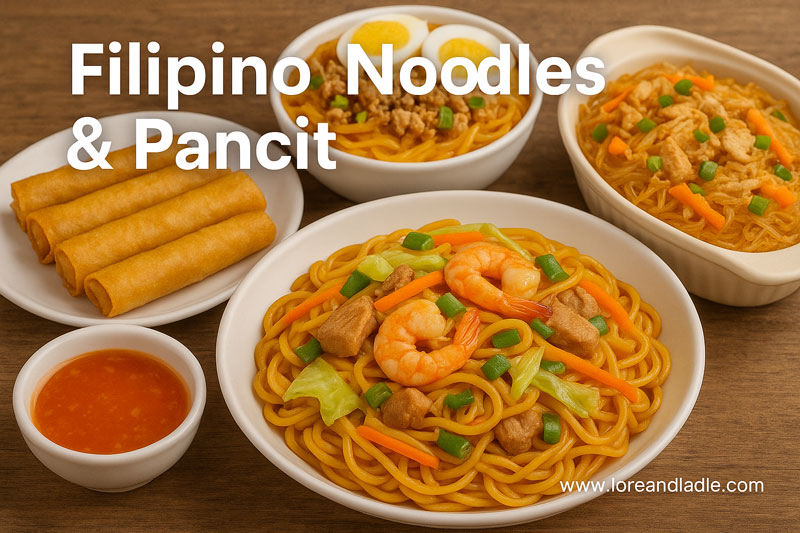
Pancit bihon embodies a balance that many fans describe as bright, fresh, and satisfying. The noodles are silky and tender, with a gentle bite that comes from the slight chew of well-soaked bihon. Vegetables add color and crunch, offering a contrast to the soft noodles. Protein—whether chicken, pork, shrimp, or a combination—brings warmth and depth. Aromatics like garlic and onion release aroma that wakes the senses, while a light sauce ties everything together rather than weighing it down. The final zing often comes from a squeeze of citrus, such as calamansi or lemon, which lifts the dish and makes the flavors feel clean and lively. In short, pancit bihon is about contrast in textures and a balance of savory, salty, and citrusy notes. The spirit of How to Make Authentic Pancit Bihon at Home that are trending in America lies in appreciating that balance while letting each element shine.
Key characteristics that define pancit bihon
What makes pancit bihon recognizable is its combination of features:
- Noodles: bihon rice noodles are thin and delicate. They soak up flavors without becoming heavy, giving the dish its lightness.
- Color and vegetables: shredded cabbage, carrot ribbons, and sometimes green beans or chayote contribute brightness and crunch.
- Protein: chicken or pork are common, with shrimp as a flavorful option. Tasting notes shift with the chosen protein, but the dish remains balanced.
- Aromatics: garlic and onion build the fragrance base and carry the savory depth through the dish.
- Sauce and broth: a simple, savory glaze uses soy sauce or a similar seasoning, plus stock or broth to keep the noodles tender and well coated.
- Finish: citrus, scallions, and occasional crispy toppings like fried garlic or small shards of chicharron add texture and a bright finish.
- Overall impression: the dish is saucy enough to coat the noodles lightly but not so wet that it feels swimming in liquid.
Together, these characteristics create a dish that looks cheerful on the plate and tastes comforting at the table. How to Make Authentic Pancit Bihon at Home that are trending in America often highlights this harmony, inviting cooks to honor the dish’s clean lines while exploring personal touches.
High-level ingredients and what they bring
- Noodles: bihon rice noodles form the base with a delicate, slippery texture.
- Protein: options include sliced chicken, pork, or shrimp. Each choice adds a different depth of flavor and temperature to the dish.
- Vegetables: a crisp mix of cabbage, carrots, and sometimes green beans adds color, texture, and sweetness that balances the savory elements.
- Aromatics: garlic and onion are the flavor backbone, delivering aroma and warmth.
- Sauce and seasoning: soy sauce or a similar salty component provides depth, while broth or stock keeps the dish cohesive and moist.
- Citrus and garnish: calamansi or lemon juice brightens the finish, and green onions or scallions offer a fresh green note. Crispy garlic or small pork cracklings bring extra texture.
- Optional touches: a touch of oyster sauce can deepen sweetness; chilies can add gentle heat for those who enjoy a bit of spice. Vegetarian variations can use mushrooms, tofu, or tempeh as protein substitutes.
When you assemble these elements, you create a plate that is vibrant, inviting, and flexible enough for many tastes. How to Make Authentic Pancit Bihon at Home that are trending in America stays faithful to the core components while welcoming twists that suit different kitchens.
Flavor profiles and textural dance
The flavors of pancit bihon lean toward savory and bright. The soy or seasoning sauce provides a savory foundation with a touch of saltiness. The stock or broth contributes depth and a gentle roundness, helping the noodles glide through the dish. A citrus finish introduces a clean, aromatic zing that cleanses the palate between bites. The dish keeps a light sweetness from vegetables like carrot and cabbage, so the overall flavor remains balanced rather than heavy.
Texture-wise, the contrast is key. The silkiness of the softened noodles pairs with crisp vegetables. Tender pieces of meat offer warmth, while optional toppings add crunch. The experience comes from moving from soft to crisp in each bite, and then back to the smooth noodles as you continue eating. This texture play is a hallmark of pancit bihon and a big reason for its popularity on dinner tables and in home gatherings. How to Make Authentic Pancit Bihon at Home that are trending in America emphasizes this texture journey, inviting cooks to aim for balance rather than uniform softness.
Occasions, gatherings, and everyday enjoyment
Pancit bihon finds a place in many kinds of occasions. It is a versatile dish that fits a casual weeknight dinner just as well as a festive table for a family gathering. For everyday meals, it offers a protein and vegetable-rich option that can be prepared in a single pan or wok with little fuss. For celebrations, it serves as an inclusive dish—one that many people can customize with their preferred proteins, vegetables, and garnishes. Families often plate the dish in the center of the table, encouraging everyone to serve themselves and mix their own bites. This sharing experience is a gentle, non-political tradition that emphasizes warmth, collaboration, and care for one another.
Many households also enjoy pancit bihon as part of a weekend cooking ritual. A busy day may end with a cheerful evening where siblings, parents, and grandparents gather to chat, taste, and laugh together. Those moments create a sense of continuity and belonging, qualities that many readers and home cooks appreciate. Pancit bihon’s ability to bring people together without ceremony makes it a comforting element in many kitchens. How to Make Authentic Pancit Bihon at Home that are trending in America resonates with this emphasis on togetherness and simple, satisfying flavors.
How to Make Authentic Pancit Bihon at Home that are trending in America: high-level ideas for the kitchen
How to Make Authentic Pancit Bihon at Home that are trending in America can be approached with flexible, high-level ideas rather than step-by-step instructions. Start by choosing the noodle base—bihon rice noodles that are fresh and pliable. Think about your protein: chicken, pork, or shrimp can be used alone or in combination. Build a light, aromatic base with garlic and onion, and plan for a quick stir-fry that keeps vegetables crisp. Add a modest amount of sauce so the noodles carry the flavor without becoming too saucy. Finish with a bright citrus touch and a sprinkle of fresh greens. For texture, consider finishing touches like fried garlic or crisp pork bits if you enjoy crunch. Vegetarian or vegan versions can lean on mushrooms, tofu, or tempeh to provide proper protein and texture. A simple, flexible approach helps you honor the dish’s core while making it your own. How to Make Authentic Pancit Bihon at Home that are trending in America remains accessible to home cooks who value both tradition and adaptability.
Plating ideas and serving suggestions
When you serve pancit bihon, presentation matters as much as taste. Start with a warm platter to keep the noodles inviting and easy to scoop. Spread the colorful vegetables across the surface and nestle the protein in pieces throughout the dish so every forkful contains a bit of everything. A light drizzle of citrus juice right before serving can brighten the entire plate. Garnish with sliced scallions and perhaps a light sprinkle of fried garlic for aroma and texture. If you like extra crunch, add small shards of chicharron or toasted sesame seeds as a finishing touch. Offer extra calamansi wedges on the side so guests can adjust the brightness to their liking. A simple, thoughtful presentation makes the dish feel festive without complicated preparation.
A closing reflection on the beauty of pancit bihon
Pancit bihon is more than a meal; it is a shared moment of nourishment and comfort. Its beauty lies in its balance—the way the noodles carry savoriness, the vegetables provide color, and citrus adds lift. The dish invites creativity within a respectful framework: you can honor tradition while adding your own personality to the plate. In homes across America, How to Make Authentic Pancit Bihon at Home that are trending in America can be a doorway to new flavors and familiar warmth at the same time. This dish is approachable, inviting, and deeply satisfying, qualities that encourage friends and family to gather around the table, to talk, to laugh, and to enjoy good food together. If you try one of the high-level ideas above, you’ll be tasting a familiar comfort with a bright, modern kiss of flavor that makes pancit bihon feel both timeless and new.