
Introduction
Pancit Bihon is a dish that shines with balance. It blends thin rice noodles, savory sauces, bright vegetables, and gentle protein into a stir-fry that feels comforting and fresh at the same time. In America, this dish has found a growing audience in home kitchens, small eateries, and family gatherings. It invites customization without losing its core character. How to Make Authentic Pancit Bihon at Home that are Trending in America becomes less about exact rules and more about capturing a mood: a quick, satisfying meal that honors tradition while welcoming new flavors. This article explores the dish’s value, its flavors and textures, and the small rituals around preparing and sharing it at home.
What Pancit Bihon Is
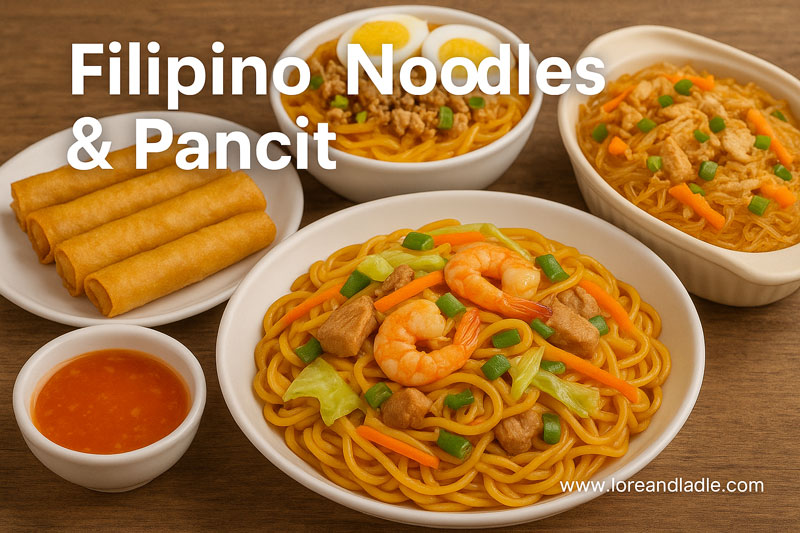
Pancit Bihon is A Filipino noodle stir-fry built around bihon, which are very thin rice noodles. The noodles cook quickly and take on a glossy sheen when stirred with a light, flavorful sauce. Typical components include garlic, onions, a soy-based sauce, and a touch of citrus. Proteins such as pork, shrimp, or chicken are common, and vegetables like carrots, cabbage, and green beans add color and crunch. Some cooks include hard-boiled eggs or scallions, while others top the dish with crisp garnishes. The result is a versatile, approachable dish that can be adjusted for different tastes and occasions. How to Make Authentic Pancit Bihon at Home that are trending in America is a good way to start thinking about home-friendly versions that stay true to the dish’s core essence.
Flavor, Texture, and Visual Appeal
The flavor profile of Pancit Bihon centers on a gentle harmony of savory, slightly sweet, and tangy notes. Soy sauce provides saltiness, while a splash of citrus or calamansi brightens the finishes. If fish sauce or a little sugar is used, it helps round the taste without overpowering it. Garlic and onion add a warm aroma that invites you to the table, and sometimes a light touch of pepper or chili gives a gentle kick. Texturally, the dish plays with soft noodles, crisp-tender vegetables, and tender pieces of meat or seafood. The slight bite of the vegetables contrasts with the slipperiness of the noodles, creating a satisfying mouthfeel. Presentation matters as well: a bright scatter of green onions, a wedge of citrus for a fresh squeeze, and a final drizzle of oil for gloss all contribute to the plate’s appeal. How to Make Authentic Pancit Bihon at Home that are trending in America helps people envision a glossy, colorful dish that looks as balanced as it tastes.
Key Characteristics to Notice
A well-made Pancit Bihon has several telltale characteristics:
– Noodles that are evenly coated with a light glaze, not clumped or dry.
– A color that shows the richness of the sauce without overwhelming the dish.
– A crisp-tresh balance between vegetables and noodles, with protein integrated smoothly.
– A welcoming aroma that combines garlic, soy, and citrus hints.
– Fresh garnishes that add brightness and texture, such as sliced scallions or a dusting of fried shallots.
These characteristics help the dish feel approachable and celebratory, suitable for everyday meals as well as special gatherings. How to Make Authentic Pancit Bihon at Home that are trending in America often guides home cooks toward that balance: not too saucy, not too dry, with a pleasing mix of elements on every plate.
Occasions and Ways to Enjoy Pancit Bihon
Pancit Bihon suits many moments. It works well for weeknight dinners when time is brief but meals should feel complete. Families may prepare it for weekend lunches, celebrating small achievements with a bright, shareable dish. It’s also a popular choice for potlucks, school events, and casual gatherings, where guests can sample a dish that’s loaded with color and comfort. The dish’s flexible nature makes it suitable for both intimate meals and larger servings. People enjoy Pancit Bihon with simple accompaniments like slices of citrus or fresh herbs, which lift the dish without overpowering it. How to Make Authentic Pancit Bihon at Home that are trending in America often becomes a conversation starter, as friends share tweaks and ideas that reflect their kitchens while keeping the dish recognizable.
High-Level Recipe Ideas for Home Cooks
You can think of Pancit Bihon in terms of a few broad ideas rather than strict steps. At its core, you need bihon noodles, a savory base, vegetables, and a protein option. Ideas to consider:
– Protein options: pork, chicken, shrimp, or tofu for a lighter variation. You can choose one or mix two for depth.
– Vegetables: carrot, cabbage, green beans, bell peppers, and snow peas offer color and crunch. Keep some vegetables crisp for contrast.
– Aromatics and sauce: a simple mix of garlic, onion, soy sauce, and a touch of citrus or vinegar creates the essential brightness. You can adjust sweetness and saltiness to taste.
– Texture contrast: add a sprinkle of fried shallots, chopped scallions, or a few nuts or seeds for a different bite.
– Garnishes and finishing touches: a squeeze of calamansi or lemon, sliced chilies for heat, and a light drizzle of sesame oil or peanut oil can elevate the dish.
These high-level ideas keep the approach flexible while preserving the dish’s core identity. How to Make Authentic Pancit Bihon at Home that are trending in America can inspire cooks to test variations that fit their pantry and preferences, without losing the essential character of bihon noodles in a stir-fry.
How to Make Authentic Pancit Bihon at Home that are trending in America
This section centers on how the dish translates to American home kitchens. The phrase How to Make Authentic Pancit Bihon at Home that are trending in America reminds us that the dish adapts to domestic routines. You can think about it as a weeknight-friendly meal that still feels special. Use accessible ingredients found in many grocery stores, and adjust the protein to what you have on hand. The dish invites patience in choosing fresh vegetables for color and crunch, and it rewards careful tossing to keep the noodles from sticking. The approach remains simple: cook the protein and vegetables, combine with noodles and a balanced sauce, and finish with bright garnishes. The result is a plate that speaks of warmth and care, a meal that can be shared with family and friends, and a dish that fits neatly into a modern, versatile kitchen. The phrase itself serves as a reminder that traditions can travel gracefully to new kitchens when approached with care and openness.
Serving, Sharing, and Gentle Traditions
When serving Pancit Bihon, imagine a table where each person can customize a bite. A few citrus wedges offer a bright contrast; herbs or scallions provide a fresh note; a little crunch from toppings adds dimension. Sharing plays a big role in many kitchens, where the dish is placed in the center and everyone helps themselves, selecting pieces of noodle with toppings that suit their tastes. This practice is a quiet tradition of care: preparing something that multiple people can enjoy together. The dish also lends itself to gatherings that emphasize conversation, laughter, and a relaxed pace. In these moments, the beauty of Cooking Pancit Bihon is not just in the recipe, but in the togetherness around the table. How to Make Authentic Pancit Bihon at Home that are trending in America can guide hosts on presenting a plate that looks inviting and feels comforting.
A Quiet Guide to Authentic Yet Practical Techniques
For home cooks seeking a balanced, practical approach, keep these gentle pointers in mind:
– Choose fresh vegetables with bright color and a crisp edge; they should still hold their shape after a quick cook.
– Balance the sauce so it enhances noodles rather than overwhelms them; a light glaze can carry flavors beautifully.
– Pay attention to the order of additions in the pan so the ingredients stay individual yet blend together at the end.
– Finish with fresh herbs and citrus for a lively aroma and a clean finish.
– Keep portions generous enough to share and to allow everyone to taste a little of everything.
These practical ideas help preserve the dish’s essence while making it approachable for everyday kitchens. How to Make Authentic Pancit Bihon at Home that are trending in America offers a route to adapt with confidence, maintaining respect for flavor and texture.
Closing Thoughts
Pancit Bihon, in its simple noodle form, invites creativity without sacrificing tradition. It offers a canvas for flavors that can be bright and comforting at once. In America, its growing popularity reflects a curiosity for comforting, flexible meals that can support family life and friendly gatherings. The dish respects time-honored methods while welcoming modern pantry ideas. It resonates with cooks who enjoy a balance of softness, crunch, and aroma, and with diners who appreciate a plate that looks as inviting as it tastes. How to Make Authentic Pancit Bihon at Home that are trending in America serves as a gentle reminder that good cooking stays rooted in clear, thoughtful choices—quality ingredients, mindful timing, and a shared, generous spirit at the table.
If you’d like to explore this dish further, you can start with a few high-level ideas and adapt them to your kitchen. Try different proteins, vary the vegetables to match what’s fresh, and adjust the brightness with citrus to your preference. The heart of Pancit Bihon remains constant: a careful balance of textures, a savory-sweet-sour harmony, and a sense of welcome that makes every bite comforting. In short, Pancit Bihon is a thoughtful dish that travels well into modern homes, inviting both tradition and personal touch. And for readers curious about the phrase How to Make Authentic Pancit Bihon at Home that are trending in America, remember that the core joy is in the sharing—the way a pot of noodles brings people together, the color on the plate, and the warmth of a well-seasoned kitchen.