
Introduction
Food has a way of telling a story. Pancit Bihon does just that. In America, this dish has caught the eye of home cooks and food lovers who want bright flavors and comforting textures. It feels both familiar and adventurous, a dish you can share with friends and family. In this post, we explore the beauty of Pancit Bihon and how it travels from a traditional kitchen to many tables. How to Make Authentic Pancit Bihon at Home that are Trending in America is a phrase some cooks use to describe a version that fits modern kitchens without losing heart. This article stays focused on flavor, texture, and the warm traditions that surround it.
What is Pancit Bihon?
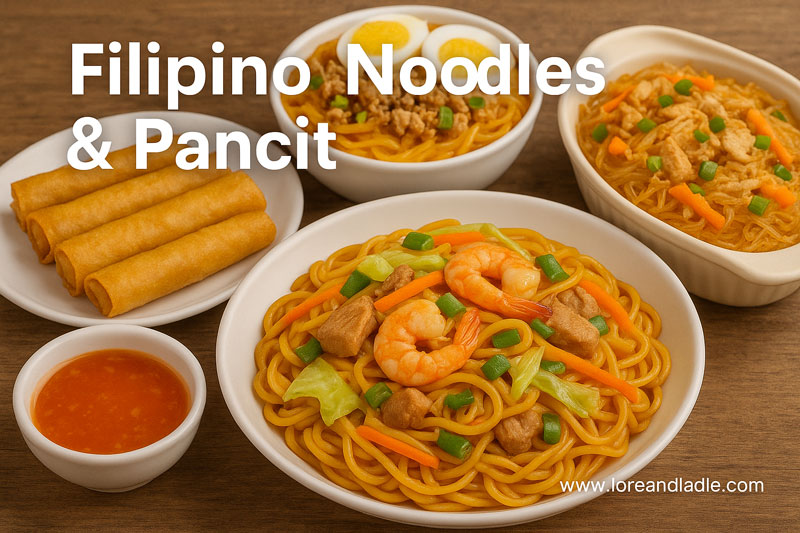
Pancit Bihon is a noodle dish built on thin rice noodles. The noodles are delicate, pale, and glossy when cooked well. They carry a light, savory sauce that brings out the natural sweetness of vegetables and the warmth of garlic. Common additions include small pieces of chicken, pork, or shrimp, along with vegetables like carrots, cabbage, and bell peppers. Some cooks add eggs for extra richness. The dish often finishes with green onions and a citrus note, usually calamansi, which brightens every bite. The result is a balanced plate with color, aroma, and a satisfying chew.
How flavors come alive in Pancit Bihon
The flavor profile centers on a gentle mix of savory and bright notes. Soy sauce provides depth, while fish sauce adds a touch of salt and a sea-tanged aroma. Garlic and onions contribute roundness and fragrance. Carrots and cabbage give sweetness and crunch, and the protein adds richness. A final squeeze of calamansi or lime brings a citrus lift that makes the dish feel fresh. Some cooks finish with a light drizzle of sesame oil for aroma, or a sprinkle of pepper for a quiet kick. The overall effect is harmonious, with each element supporting the others. How to Make Authentic Pancit Bihon at Home that are trending in America often highlights that balance, showing how simple ingredients can become bright, inviting Comfort Food.
Flavor and texture: the heart of the dish
Texture plays a starring role in Pancit Bihon. The noodles are soft yet resilient, able to hold their shape even as they mix with vegetables. Vegetables stay crisp enough to contrast with the noodles. Meat or seafood remains tender rather than dry. The sauce clings to the noodles just enough to coat them without pooling. This combination—soft noodles, crisp vegetables, and a tender protein—gives each bite a satisfying bite-and-chew rhythm. A good version feels glossy and light, not heavy, and it invites you to eat with friends and linger over the flavor.
Key Characteristics at a glance
- Noodles: thin rice noodles that stay flexible and glossy.
- Sauce: a light, savory glaze built from soy and saline elements, not thick or heavy.
- Color: naturally warm tones from vegetables and a hint of sauce, often with a bright citrus finish.
- Vegetables: crisp-tender, providing color and texture.
- Protein: optional and versatile—chicken, pork, shrimp, or tofu.
- Aroma: garlic-forward with a fresh citrus lift.
- Finish: a clean plate feel, with no overpowering aftertaste.
Occasions and traditions
Pancit Bihon fits many settings. It shines at family dinners, weekend gatherings, and casual potlucks. It is common at birthday celebrations, where noodles symbolize longevity and happiness. The dish also appears in neighborhood fairs and local food events, where cooks showcase a quick, flavorful option that can feed a crowd. The presence of calamansi or lime makes it a bright accompaniment to festive tables. Whether served as a main or a generous side, Pancit Bihon brings warmth and a sense of shared enjoyment to the table.
How people enjoy it: serving ideas and rituals
Many households enjoy Pancit Bihon with a simple, thoughtful approach. A bowl of noodles is a reminder of togetherness, and people often pass plates in a relaxed circle. Calamansi or lime wedges are offered on the side for guests who want a citrus kick. A light sprinkle of chopped scallions or herbs adds color and aroma. Some diners like a pinch of chili flakes or fresh pepper for a gentle heat. Toasted garlic bits or sesame seeds provide a tiny crunch and a toasty aroma. The dish pairs well with a crisp salad or a light soup, depending on the meal. In this way, How to Make Authentic Pancit Bihon at Home that are trending in America becomes less about a single recipe and more about an inviting table where flavors mingle and memories form.
High-level ingredient and preparation ideas
- Noodles: thin rice noodles, often called bihon.
- Protein options: chicken, pork, shrimp, or tofu for a meatless version.
- Vegetables: carrots, cabbage, green onions, and sometimes bell peppers or snow peas.
- Aromatics: garlic and onions.
- Sauce components: soy sauce, light fish sauce, and a touch of sesame oil or oil for cooking.
- Fresh finish: calamansi or lime, chopped green onions, and optional chili for heat.
- Textural accents: crunchy vegetables or a light garnish of fried garlic.
- Optional additions: eggs, peas, or sliced peppers for color.
- Cooking idea: keep noodles separate from vegetables to preserve texture, then combine gently with the sauce when everything is heated through.
How to Make Authentic Pancit Bihon at Home that are trending in America often emphasizes this balance of ingredients and the idea that you can adapt the plate to what you have at hand.
How to Make Authentic Pancit Bihon at Home that are trending in America
This section centers on a high-level approach you can try in a home kitchen. How to Make Authentic Pancit Bihon at Home that are trending in America invites flexible methods rather than strict steps. Think of the dish as a small symphony of simple parts: noodles, a light savory sauce, crisp vegetables, and a protein you like. You begin with aroma—garlic and onions sizzling in a little oil. Then you add the protein and vegetables so they stay tender and bright. The noodles join last, absorbing a touch of sauce without becoming soggy. A final citrus squeeze lifts the entire plate. The aim is balance, not heaviness. If you want a modern angle, you can experiment with a splash of citrus zest or a hint of peanut crunch on top. The key is to preserve the glossy, light appeal of the noodles while maintaining the freshness of the vegetables. How to Make Authentic Pancit Bihon at Home that are trending in America can be a practical guide for cooks who want a dish that feels both traditional and current.
Keeping it balanced: sourcing and kitchen tips
In any home kitchen, the choice of ingredients matters. Fresh vegetables bring color and crunch. Choose a protein you enjoy and that cooks quickly if you like a lighter dish. Good-quality soy sauce and a mild fish sauce provide depth without overwhelming the palate. A little citrus brightens everything, so calamansi is a nice touch if you have it. You can caringly adapt the dish to your pantry and your preferences. The result remains harmonious: a dish that tastes like a well-tended kitchen and a moment of care.
Cultural value and non-political traditions
Pancit Bihon holds a place in everyday life as well as special moments. It is a dish families share, friends enjoy in casual gatherings, and cooks present to guests with pride. The preparation invites conversation about ingredients, textures, and seasonal produce. The plate itself shows a respect for balance—color, aroma, and flavor all in one. The way people present and garnish the dish often reflects personal touch and regional influence, always with a sense of hospitality. The tradition is gentle and inclusive: a meal that invites everyone to eat together and to savor the moment.
A final reflection on the dish and its appeal
Pancit Bihon invites playfulness and care. It is a flexible, welcoming dish that adapts to different kitchens and occasions. The noodles carry lightness, the vegetables provide crunch, and the protein adds warmth. The citrus finish ties the plate to a fresh, clean impression. In America, How to Make Authentic Pancit Bihon at Home that are trending in America helps home cooks see a traditional dish through a contemporary lens—without losing the heart of the experience. The beauty of the dish lies in its ability to be both simple and celebratory at the same time.
Conclusion
Pancit Bihon is more than a recipe. It is a gentle invitation to share food, stories, and smiles. The dish offers a balance of flavors and textures that can delight any table. It respects tradition while welcoming modern tastes. If you want to explore these ideas further, you can lean on the idea of How to Make Authentic Pancit Bihon at Home that are trending in America as a guide for keeping the approach fresh yet familiar. May your kitchen be warm, your table inviting, and your plate colorful as you enjoy this beloved noodle dish.