
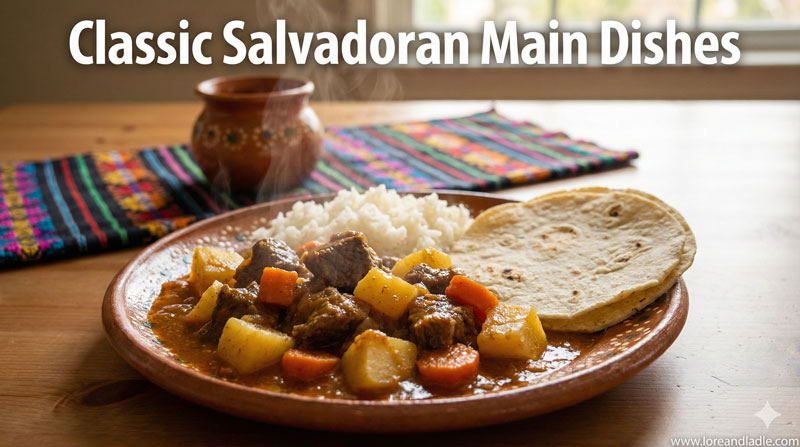
What Makes Authentic classic Salvadoran dishes for everyday dinners So Special in El Salvador and the U.S.?
Everyday dinners in El Salvador center on warmth, balance, and a sense of home. The authentic dishes that anchor these meals are simple to prepare, yet they carry a deep cultural resonance. They celebrate corn, beans, cheese, and carefully chosen seasonings, all prepared with care. in the United States, these flavors travel into kitchens that honor Salvadoran heritage and invite new cooks to explore familiar, comforting tastes. The result is a cuisine that feels both timeless and fresh, ready to enrich daily meals.
Pupusas stand as a beloved cornerstone. Crafting masa, filling it with cheese, beans, or pork, then cooking it until the outside is lightly crisp and the inside is tender, creates a comforting bite. When served with curtido, a tangy pickled cabbage relish, and a bright tomato salsa, pupusas become a complete, satisfying meal. The harmony of textures and the balance of savory, tangy, and slightly smoky notes make every bite feel complete.
Core flavors that define Salvadoran everyday dinners
Salvadoran cooking emphasizes a few clear ideas. Corn provides structure and sweetness. Beans bring heartiness and protein. Fresh cheese adds brightness and creaminess. A touch of pork, chicken, or seafood offers savor. Herbs like cilantro and a hint of onion brighten dishes, while curtido introduces vinegary freshness. The combination creates a sunny, approachable flavor profile that enhances simple weeknight meals.
The ritual of preparing and sharing
Preparing these dishes is a daily ritual that rewards patience and care. Measuring masa, kneading dough, forming pupusas, and letting flavors rest before cooking all contribute to a sense of craftsmanship. Pots simmer gently, releasing inviting aromas. Families gather, share stories, and enjoy a meal that feels earned and satisfying. This rhythm teaches attention to detail and a deep appreciation for well-made food.
Signature dishes that anchor everyday dinners
- Pupusas with cheese, beans, or pork
- Casamiento (a comforting mix of rice and beans with a touch of cheese)
- Yuca frita with chicharrón or a light garlic dip
- Sopa de frijol (bean soup) or other simple broths that showcase corn and beans
- Curtido and salsa roja as bright accompaniments
These dishes appear again and again because they offer balance, nutrition, and a sense of home. Each plate tells a story of daily life, seasonality, and shared tables.
Techniques and ingredients that travel with the flavors
Fresh masa or masa harina forms the backbone of many meals. Ground corn brings a natural sweetness; soaking or resting dough helps with texture. Simple methods—griddling pupusas, gently simmering beans, frying yuca until crisp—highlight technique over complexity. Curtido uses cabbage, carrot, onion, and vinegar to deliver a crisp, tart contrast that brightens the meal. The result is a kitchen that feels honest, approachable, and deeply satisfying.
The role of these dishes in healthy, balanced daily dining
These meals emphasize balance: starch, protein, and vegetables in harmony. Beans provide fiber and protein; corn gives energy; fresh cheese adds calcium and richness. When paired with curtido or a light salsa, they feel lively without being heavy. The meals support everyday activity and offer nourishment that is both comforting and practical for Busy days.
Bringing Salvadoran flavors to the United States kitchens
In the United States, these flavors travel into homes and small eateries that celebrate traditional methods. Cooks seek authentic masa, fresh beans, and crisp curtido when possible. They adapt with local produce while preserving the core balance that defines Salvadoran cuisine. The result is a friendly, inviting dining experience that respects roots while inviting new tastes to the table.
A warm invitation to explore
Authentic classic Salvadoran dishes for everyday dinners invite curiosity and care. They reward simple effort with rich flavor, bright textures, and a sense of belonging at the table. Each meal becomes an opportunity to celebrate everyday life, share smiles, and honor a culinary tradition that remains vibrant both in El Salvador and in kitchens beyond its borders.