
Introduction
Authentic Shashlik – Uzbekistani Dumplings & Noodle Plates Flavor You’ll Love invites readers into a kitchen where fire, dough, and herbs tell a story. This dish blends two beloved pillars of Uzbek cuisine: manty, the tender dumplings, and lagman, the comforting noodle plates. It Is a celebration of flavor crafted through technique, patience, and a deep respect for ingredients. Sensory and social, it offers a window into how meals decorate daily life with warmth and shared joy.
The Core Components: Manty and Lagman
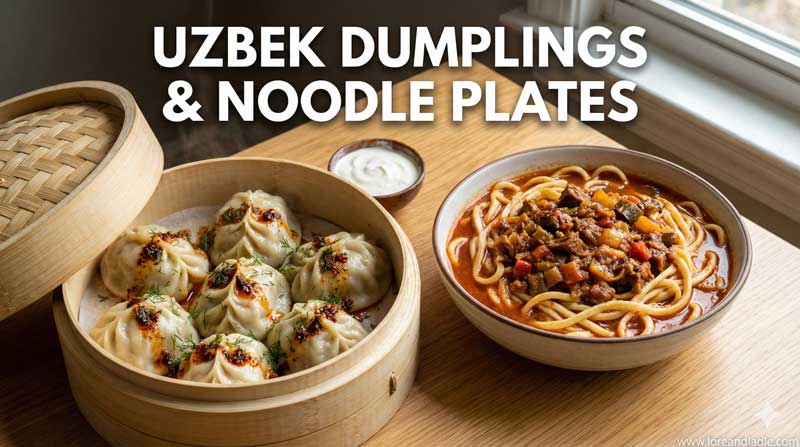
First, manty brings a delicate contrast of thin dough and savory filling. The dough is rolled to a whisper-thin veil, then wrapped around seasoned meat and onions. The dumplings cook gently, steaming to a soft, juicy center. Next, lagman appears as a vibrant noodle dish. Hand-pulled or carefully rolled noodles mingle with a rich broth or sauce, along with vegetables and tender meat. The pairing of manty and lagman showcases two textures side by side: the compact bite of dumplings and the sauced, noodle-driven comfort of lagman. Together, they symbolize balance—soft and chewy, calm and hearty.
Cultural Value in Everyday Life
Moreover, this dish captures how Uzbek households gather around a table. Meals become rituals that mark harvests, holidays, and simple Sundays. The act of preparing manty and lagman becomes a family craft passed down through generations. Storytelling often accompanies cooking, and the table becomes a place where memories mingle with scent and steam. The dish also honors seasonal ingredients, making it a flexible mirror of local markets and regional produce. In this way, it is not merely food; it is a way of keeping time and community connected.
Culinary Significance and Craft
Additionally, the craft behind Authentic Shashlik emphasizes discipline and care. The shashlik skewers require steady hands and attention to flame height, ensuring meat remains juicy and charred with a gentle kiss of smoke. Manty dough demands patience, as rolling and folding must be precise to hold fillings. Lagman noodles celebrate technique, with some cooks stretching dough by hand to achieve the desired elasticity. Each component teaches how choice of heat, dough thickness, and balance of spices shape the final character of the dish. The result is a repertoire of textures and flavors that rewards technique and tradition alike.
Flavor Language and Ingredients
Culinary language here centers on warmth and aromatics. Ground meat blends with onions, garlic, cumin, coriander, black pepper, and fresh herbs such as dill or parsley. The spice notes glow in harmony with the richness of meat and the bright lift from onions and peppers. Fresh herbs finish the plate, adding brightness that lifts the dish beyond mere sustenance. Whether eaten as a shared platter or plated individually, these ingredients speak a universal language of comfort, generosity, and everyday excellence.
Serving, Sharing, and Aesthetic
Finally, presentation matters. Charcoal or wood fire for shashlik provides a smoky aroma that invites a second bite. Manty can be plated with a garnish of herbs and a drizzle of light sauce, while lagman rests in a warm bowl, steam rising to greet the table. The arrangement itself reflects hospitality: generous portions, colorful vegetables, and a balance of steam, aroma, and texture. This careful presentation reinforces the idea that food is a language of welcome and care.
Conclusion
In short, Authentic Shashlik – Uzbekistani Dumplings & Noodle Plates Flavor You’ll Love stands as a testament to the beauty of traditional cooking. It embodies cultural values of family, craft, and shared meals. It celebrates the resilient flavors of manty and lagman, and it invites every eater to slow down, savor each bite, and appreciate the artistry behind every component. If you seek a dish that speaks with warmth and texture, this combination offers a flavorful doorway into Uzbek culinary heritage.