
Authentic Shurpa – Uzbekistani Dumplings & Noodle Plates Flavor You’ll Love
Shurpa is more than a recipe. It is a doorway to Uzbek food culture. The dish blends warmth, tradition, and a refined palate. This post explores its cultural value and culinary significance, inviting you to savor a bowl that many families treasure.
A Window into Uzbek Hospitality
In Uzbekistan, food often opens the door to conversation and shared moments. Shurpa is commonly prepared in a wide, sturdy pot and served hot to friends and family. The act of gathering around the simmering broth creates a calm ritual. Each ladle carries a sense of welcome, care, and togetherness. The scent of cumin and herbs rises with the steam, inviting everyone to pause and enjoy the moment.
The Core of Shurpa: Simple Ingredients, Deep Culture
Authentic Shurpa relies on a few honest ingredients. Tender meat, typically lamb or beef, forms the flavorful backbone. Carrots, onions, and potatoes add texture and sweetness. Some cooks include tomatoes or bell pepper for brightness. A handful of fragrant spices—cumin, coriander, black pepper—lift the broth without overpowering it. Fresh dill or parsley finish the dish with a bright, green note. The beauty lies in balance: a clear broth, a heartier bite from the meat, and vegetables that soften gently as they cook. This simplicity reflects a careful culinary philosophy: let each component speak clearly, then merge them in harmony.
Craft and Care: Cooking Technique
The technique is as meaningful as the ingredients. Meat is often browned first to deepen flavor. Water follows, and the pot is kept at a steady simmer. Foam is skimmed to keep the broth clean and bright. Vegetables join the pot in stages, so textures stay distinct yet tender. The simmer lasts long enough to coax richness from the meat but remains attentive to the balance of flavors. The final touch is a sprinkle of fresh herbs just before serving. This approach honors patience, attentiveness, and skills passed down through generations.
Manty, Lagman, and Shurpa: A Culinary Family
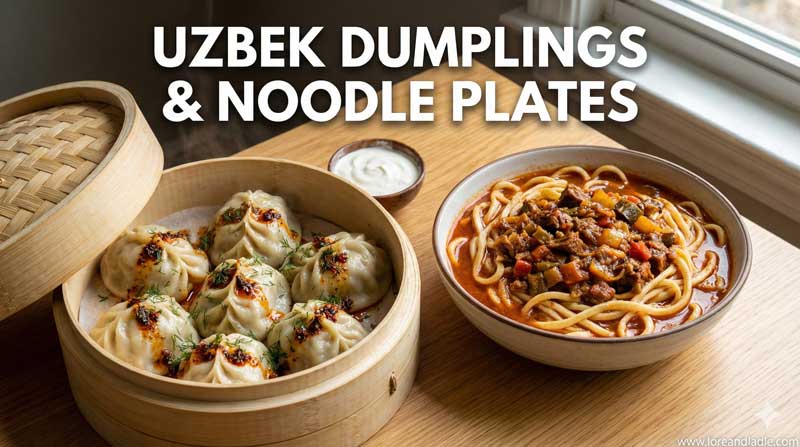
Shurpa sits beside other Uzbek classics like manty (dumplings) and lagman (hand-popped noodles) in the same culinary family. Manty showcases delicate wrappers filled with meat and onions, while lagman presents hearty noodles in a savory broth. Together, these dishes illustrate the region’s love for comforting textures, layered flavors, and communal eating. Each dish has its own method and soul, yet all celebrate skill, seasonal ingredients, and shared bowls at the table.
Cultural Significance in Daily Life and Gatherings
Shurpa often marks moments of everyday life as well as special occasions. It fits a cozy winter evening, a weekend family gathering, or a simple meal that becomes a memory. The dish teaches balance: patience in cooking, generosity in sharing, and appreciation for clean, bright flavors. It reflects regional variations across Tashkent, Samarkand, Bukhara, and beyond, where cooks tailor spices and vegetables to local tastes while preserving the core identity of the dish. This adaptability demonstrates how culture can be both stable and alive, honoring tradition while inviting new voices to contribute.
A Friendly Note on Modern Interpretations
Today, many cooks explore Shurpa with respectful curiosity. Some use leaner cuts, others add a touch of fresh lemon for brightness. Yet the essence remains: a clear, fragrant broth that invites conversation. In homes and small eateries, the pot stays central, a symbol of hospitality and care. Modern interpretations flourish without overshadowing the dish’s roots, showing how cuisine can evolve while keeping its cultural heart intact.
Embracing a Dish That Tells a Cultural Story
Authentic Shurpa is more than nourishment; it is a narrative of warmth, technique, and community. It invites you to taste the legacy of Uzbek kitchens, where a simple pot can speak of home, family, and shared meals. If you seek a dish that blends comforting texture with clear, vibrant flavors, Shurpa offers a welcoming and enduring experience. This is food culture at its most inviting: grounded, respectful, and deeply flavorful.