
Hook
On a rainy afternoon, steam rises in soft wisps as the pot simmers. How to Make Authentic Sinigang na Baboy at Home for U.S. home cooks sits near the stove, its sour aroma curling through the room. The family gathers with bowls and rice, sharing stories as the broth brightens the table. In that moment, a simple soup feels like a hug you can sip.
Trust Indicator
Jump to Recipe: How to Make Authentic Sinigang na Baboy at Home for U.S. home cooks centers on pork, a clear sour broth, and a colorful chorus of vegetables. The dish relies on a bright souring note, usually tamarind, matched with savory pork and fresh greens. Core flavors come alive through careful timing and balance. You’ll find a straightforward approach here that explains the idea, the key ingredients, and the general method without getting lost in steps.
The Deep Dive
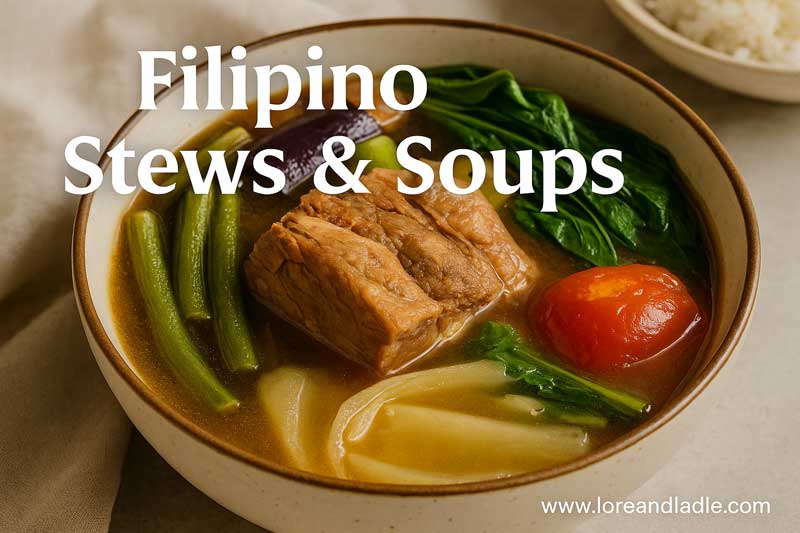
How to Make Authentic Sinigang na Baboy at Home for U.S. home cooks is more than a soup. It is a living part of daily life, a dish that appears at weeknight dinners and weekend gatherings alike. The pork provides a comforting base, its natural richness softened by a clear, tangy broth. The sourness, often from ripe tamarind, brings brightness that wakes the palate without overpowering the pork’s savor. This balance—savory, sour, and fresh—defines the dish.
The texture profile matters. Pork turns tender as it cooks, releasing a gentle gelatin that enriches the broth. Vegetables offer contrast: radish stays crisp, eggplant soaks up flavor, and okra adds a mild sweetness. Green beans and leafy greens introduce color and a fresh bite. The broth remains light and clear rather than heavy, a cue that the sour note has room to sing.
Florals and aromatics help shape the aroma. Onion and tomato give a gentle sweetness and body, while fish sauce adds a quiet depth and umami. The tang comes from tamarind or a tamarind-based souring mix, sometimes complemented by lime or calamansi in lighter versions. Throughout the pot, the aim is to let each element keep its character while harmonizing with the others.
Culturally, sinigang is a dish of everyday life. Families prepare it in homes across the Philippines and in kitchens worldwide, including U.S. homes, where it adapts to local ingredients and tastes. It is shared with rice, eaten with a spoonful of the broth and a bite of vegetables on each scoop. The ritual of tasting—adjusting salt, sourness, and pepper—speaks to a culture that values balance, generosity, and comfort in meals.
Occasions range from casual dinners to celebratory meals. The soup can be a quick response to a cool day or a centerpiece for a simple family gathering. Some people love a little extra heat or a splash of lime to brighten the model, while others keep it mild and clear. Regardless of variations, How to Make Authentic Sinigang na Baboy at Home for U.S. home cooks centers on sharing a bright, nourishing bowl with those at the table.
Traditions around serving emphasize togetherness. A pot of sinigang invites passing bowls, shared ladles, and a moment of quiet appreciation for a meal that feels both familiar and fresh. The dish invites customization—different vegetables, different souring notes, and a dash of fish sauce—so each family can make it their own while keeping the core idea intact. The result is a comforting, flexible dish that fits into daily life and seasonal menus alike.
In short, the dish stands out for its clarity of flavor, its comforting texture, and its open invitation to adjust and enjoy. How to Make Authentic Sinigang na Baboy at Home for U.S. home cooks celebrates a dish that travels well from kitchen to table and from family to family, always returning to the same gentle, bright essence.
The Recipe Card
Core ingredients and a high-level method for How to Make Authentic Sinigang na Baboy at Home for U.S. home cooks:
- Core ingredients:
- Pork (shoulder or belly), cut for simmering
- Tamarind fruit or tamarind-based souring mix (or a combination that achieves similar brightness)
- Onion, tomatoes
- Daikon radish (labanos) and/or other crisp roots
- Eggplant
- Green beans (sitaw) and/or okra
- Leafy greens (such as bok choy or mustard greens)
- Fish sauce (patis) for depth
- Water or light broth
- Optional chili peppers for a gentle heat
-
Salt and pepper to taste
-
High-level method:
- Simmer pork in a plain liquid to develop tenderness and a clear broth.
- Add aromatics and the souring agent to establish the bright tang.
- Introduce vegetables in stages to preserve texture and color.
- Balance sourness, salt, and heat to taste, then finish with greens just before serving.
- Serve hot with steamed rice, letting each bowl carry a balanced bite of meat, vegetables, and broth.
How to Make Authentic Sinigang na Baboy at Home for U.S. home cooks offers a welcoming template: start with a confident pork base, layer in sour brightness, and finish with fresh greens and a light touch of salt. The dish rewards mindful tasting and gentle adjustment, inviting you to make it your own while preserving its signature balance.