
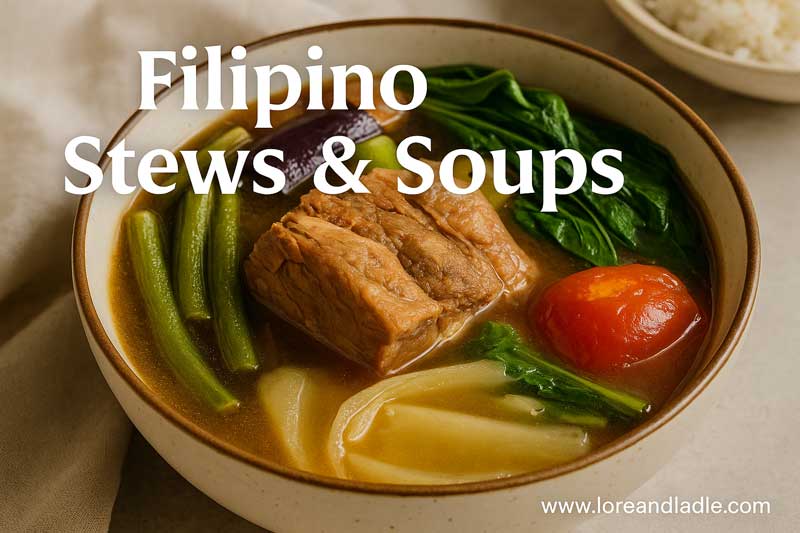
The Hook
On a rainy Sunday, a pot sighs with steam while a family gathers around the counter. A bowl of shrimp sits beside a bottle of tamarind paste. “How to Make Authentic Sinigang na Hipon at Home for U.S. home cooks” becomes a comforting cue for togetherness, not a strict formula. A bright, sour scent weaves through the kitchen as stories drift with the bubbles. The dish feels like a hug in a bowl, ready to welcome everyone to the table.
The Trust Indicator
Jump to Recipe: How to Make Authentic Sinigang na Hipon at Home for U.S. home cooks is built on a bright, sour broth with shrimp and fresh vegetables. Quick snapshot:
– Core flavors: tangy, savory, and fresh
– Key ingredients: shrimp, tamarind or souring agent, tomatoes, onions, greens, and crunchy radish
– High-level approach: prepare a light broth, balance sourness, add vegetables in a sensible order, fold in shrimp at the end, season with a touch of fish sauce, and serve with hot rice
The Deep Dive
How to Make Authentic Sinigang na Hipon at Home for U.S. home cooks centers on balance. The broth carries a lively sour note from tamarind or a souring mix, tempered by depth from aromatics and fish sauce. Shrimp stay tender when added near the end, keeping a gentle snap against the soft vegetables. Vegetables lend texture and color: daikon or radish for crunch, tomatoes for lift, and leafy greens for a fresh finish. The result is a soup that feels bright, comforting, and present.
Culturally, sinigang is a kitchen staple in many homes. It travels from the stove to the family table with a sense of routine and celebration. The dish blends sourness, umami, and herbaceous greens to create a glassy broth that coats rice beautifully. Textures matter here: the shrimp are succulent, the vegetables retain bite, and the broth remains clear and fragrant. People enjoy sinigang in many settings—weeknights when time is tight and Sundays when family chatter fills the room. The dish welcomes changes in ingredient choice, letting cooks adapt to what is fresh or available while preserving its bright identity.
In daily life, How to Make Authentic Sinigang na Hipon at Home for U.S. home cooks often becomes a shared activity. People gather around the pot, taste, and adjust with salt, fish sauce, or a squeeze of lime. The preparation invites small rituals—washing greens, trimming vegetables, tasting the broth, and pairing the soup with steaming rice. The aroma signals comfort and care, inviting conversation about the day and plans for tomorrow. The dish honors simple joys: a clear broth, the warmth of family, and a meal that travels well from kitchen to table.
The beauty of sinigang lies in its clarity of purpose. It is a sour soup that honors lightness and balance. The dish can stand out in any season, offering brightness when heat lingers and warmth when rain taps the windows. How to Make Authentic Sinigang na Hipon at Home for U.S. home cooks celebrates a tradition of home cooking—sharing, adjusting, and savoring together. The result is not a rigid recipe but a thoughtful practice of flavor and memory, served with rice and smiles.
The Recipe Card
Core ingredients
– Shrimp (hipon), fresh and peeled
– Souring agent (tamarind paste or fresh tamarind)
– Tomatoes and onions
– Radish or daikon for crunch
– Leafy greens (kangkong or spinach)
– Optional vegetables: okra, eggplant, or taro
– Seasoning: fish sauce, salt, pepper
– Water or light stock
High-level method
– Build a bright broth by combining aromatics and the souring agent to release the tangy character.
– Simmer with tomatoes and onions to form a clear, flavorful base.
– Add sturdier vegetables first, then finish with greens to keep their color and freshness.
– Fold in the shrimp toward the end so they stay tender.
– Balance with fish sauce and a touch of salt; serve hot with steamed rice. How to Make Authentic Sinigang na Hipon at Home for U.S. home cooks emphasizes a clean broth, crisp vegetables, and a tender shrimp crown.