
Introduction
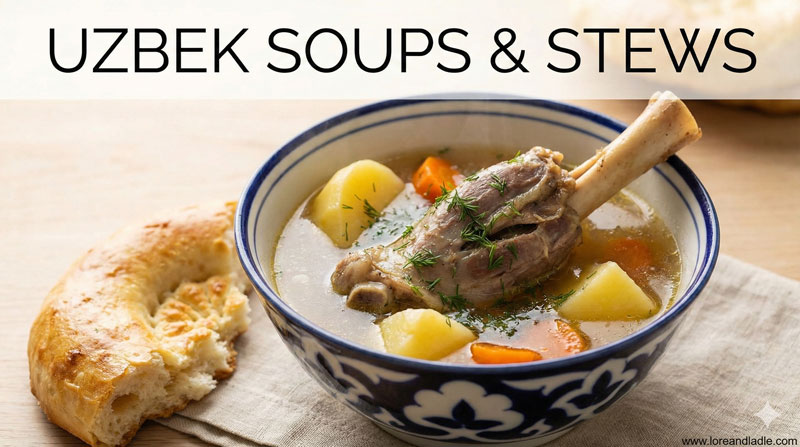
Authentic Tukhum Barak – Uzbekistani Soups & Stews Flavor You’ll Love invites readers into a kitchen where patience and precision meet warmth and welcome. This dish carries a quiet dignity, born from daily life and special occasions alike. It embodies how food can frame conversations, mark milestones, and honor a shared table. In Uzbek households, Tukhum Barak is more than a meal; it is a living thread that connects generations, stories, and seasonal seasons through flavor and craft.
A Dish That Welcomes with Texture and Aroma
Tukhum Barak greets the senses with a gentle steam and a comforting aroma. The dough pockets, tender yet resilient, float in a savory broth that carries the sweetness of onions, the richness of meat, and the brightness of herbs. Each bite is a small, careful celebration of technique and tradition. The dish stands out for its balance: a hearty body from the broth, a delicate chew from the dumpling-like pieces, and a clean finish that invites another spoonful. This harmony is not accidental; it is the result of generations of refinement and a shared language of flavor.
Cultural Value: Food as Family and Community
In Uzbek culture, meals are occasions for togetherness. Tukhum Barak often appears at family gatherings, markets, and festive tables where stories flow as freely as the tea. The act of preparing these dumpling pockets becomes a quiet ceremony—hands steady from practice, motions passed from elder to younger cook. The dish teaches patience, precision, and care, values that shape everyday life. By gathering around Tukhum Barak, people honor memory, skill, and a communal sense of belonging.
Culinary Significance: Techniques that Tell a Story
The culinary craft behind Tukhum Barak highlights a few enduring techniques. The dough requires just the right balance of pliability and strength, so it holds its shape in broth while remaining tender on the palate. The filling, usually a mixture of seasoned meat and aromatics, is folded with care to seal in juices and aroma. The broth is simmered to clarity, allowing the flavors to mingle without overpowering the dumplings. This careful sequencing—dough, filling, seal, simmer—mirrors the orderly rhythm of Uzbek kitchens and the patience that great soups and stews demand. The result is a dish that communicates expertise through texture, aroma, and depth.
A Lens on Uzbek Flavors: Herbs, Aromatics, and Balance
Herbs play a guiding role in Tukhum Barak. Dill, coriander, and parsley often appear in the mix or as a fresh garnish, lending fragrance that brightens the richness of meat and broth. Garlic and onions build the savory base, while subtle spices provide warmth without dominating the palate. This careful seasoning reflects a broader culinary philosophy: flavor should be generous yet balanced, so each ingredient contributes to a cohesive whole. The dish thus offers both immediacy and restraint, a quality many Uzbek recipes celebrate.
Serving Traditions: Presentation and Pairings
Serving Tukhum Barak is an invitation to share. The broth shines when served hot, with the dumplings floating like little vessels of nourishment. A sprinkle of fresh herbs and a dollop of yogurt or a side of ayran complements the dish, adding cool creaminess to the warmth of the broth. Warm bread, such as flat-stretchy lavash, often accompanies the meal, perfect for scooping and savoring the last savory drops. The presentation emphasizes hospitality: the bowl is not just food, but a sign of welcome and care for guests.
Regional Voices: Variations Across Uzbek Regions
Across Uzbekistan, cooks bring subtle regional touches to Tukhum Barak. Some kitchens emphasize a lighter broth to highlight the dough’s texture, while others enrich the filling with a touch more fat for depth. Fresh herbs may vary by season and garden availability, creating a living map of local flavors. These regional nuances do not break the dish’s core identity; instead, they affirm a shared culinary language that adapts to place, ingredient availability, and family tradition. Each variation tells a story of a home and its pantry, inviting curious diners to taste how place shapes Comfort Food.
Seasonal Rhythm: Harvest and Hospitality
Tukhum Barak resonates with the cycles of harvest and seasonal produce. In spring, herbs feed the dish’s brightness; in autumn, meat and onions bring a richer warmth. This seasonal relationship deepens the dish’s cultural value, reminding communities to honor what is available and to welcome changes in the kitchen with curiosity. The result is a food moment that feels both rooted and alive, a reminder that cooking is a living tradition.
A Gentle Invitation to Explore
For readers new to Uzbek flavors, Tukhum Barak offers an inviting entry point. The dish showcases the elegance of simple components assembled with care. It rewards attention to texture, balance, and aroma, inviting diners to slow down and savor each bite. For seasoned food lovers, Tukhum Barak provides a familiar yet endlessly adaptable template—comforting and nuanced at once.
Conclusion: Food as a Cultural Anchor
Authentic Tukhum Barak anchors culture in everyday practice and shared pleasure. It embodies hospitality, technique, and regional diversity, all while remaining anchored in the universal delight of a warm bowl and a welcoming table. By exploring Tukhum Barak, readers gain a richer sense of Uzbek food culture: a cuisine that honors craft, celebrates family, and invites everyone to partake in a timeless, flavorful ritual. You’ll find that this dish is not only satisfying to eat but meaningful to experience, a small but powerful reminder of how food can unite hearts at the table.