
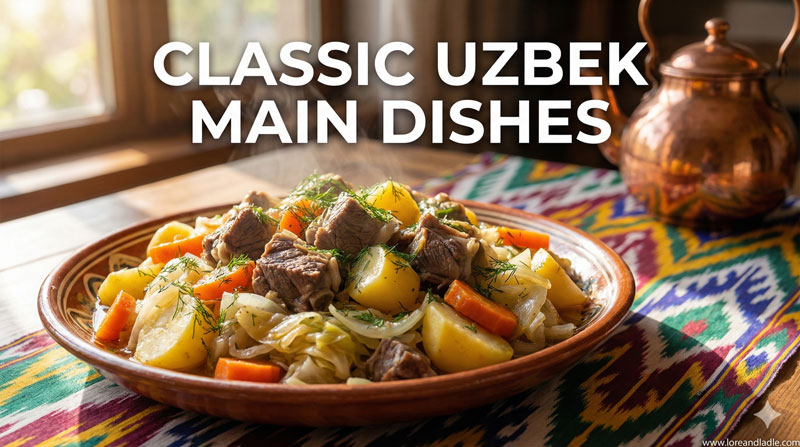
Authentic Tukhum Barak – Classic Uzbekistani Main Dishes Flavor You’ll Love
Authentic Tukhum Barak Is a beloved centerpiece in Uzbek homes. It embodies warmth, craft, and the pleasure of sharing a meal. This dish blends careful dough work with savory fillings and a soothing, comforting broth. The result is a plate that invites conversation as much as it satisfies the palate.
Cultural Roots and Shared Table Traditions
In Uzbek culture, meals are moments of connection. Tukhum Barak often appears when family and friends gather, turning cooking into a shared ritual. Each step—kneading, rolling, sealing—becomes a moment of collaboration. The dish reflects hospitality, patience, and respect for Simple Ingredients grown in local markets. When served, it welcomes guests to linger at the table, savoring the aroma and the sense of togetherness that follows a well-prepared meal.
Culinary Significance and Craftsmanship
Tukhum Barak highlights the artistry of traditional pastry and simmering technique. Cooks balance texture and flavor with careful folds and even dough thickness. The skill lies in shaping the parcels so they hold their filling during heat and in extracting a clear, comforting aroma from the herbs and meat. The simmering or steaming process allows flavors to mingle gently, creating a harmony that remains inviting on the palate. This dish celebrates patience, repeatable methods, and the pride of generations who have passed down the exact touch of dough and spice.
Ingredients and Flavor Profile
The dish centers on a delicate dough and a savory filling. The dough is smooth and supple, rolled to a thin, even sheet. The filling blends meat, onions, and aromatic greens, seasoned to bring out depth without overpowering sweetness. A light broth or sauce often accompanies the final presentation, adding moisture and a gentle warmth. Fresh herbs—the bright lift of dill or coriander, for example—brighten the plate. The overall profile is comforting, earthy, and balanced, inviting a second bite.
Regional Variations Within Uzbekistan
Across Uzbekistan, families adapt Tukhum Barak with local produce and family-tested tweaks. Some regions favor a slightly thicker dough for added bite; others lean toward a lighter, more delicate wrap. Herb mixes and spice emphasis can shift, reflecting what’s fresh in markets or preferred traditions. These variations honor local terroir while preserving the core idea: a shared, skillfully crafted main dish that centers the table.
Serving Traditions and Social Significance
Serving Tukhum Barak is a social moment as well as a culinary one. Plates are arranged to encourage easy sharing, with herbs and a drizzle of clear sauce that invites each person to taste. The dish pairs well with light yogurt or a simple fresh herb garnish, enhancing freshness without overpowering the core flavors. Presenting the dish with care reinforces hospitality and respect for guests, inviting conversation and a relaxed, joyful dining rhythm.
Preservation and Modern Resonance
Today, Tukhum Barak appears in home kitchens and in restaurants, where chefs honor tradition while exploring new textures and plating. Modern cooks may experiment with dough sheets of varying thinness, or with subtle herb infusions that lift the aroma. Yet the essence remains: a dish that brings people together through craft, patience, and shared enjoyment. This continuity reinforces the cultural value of slow, deliberate cooking and the pride of Uzbek culinary heritage.
Final Thoughts
Authentic Tukhum Barak stands as a warm beacon of Uzbek food culture. It showcases hand skills, seasonal flavors, and the joy of gathering around a table. By savoring its comforting balance and celebrating the craft behind each parcel, you honor a long-standing culinary tradition. Enjoy the dish as a living bridge between generations, where every bite tells a story of home, hospitality, and flavorful care.