
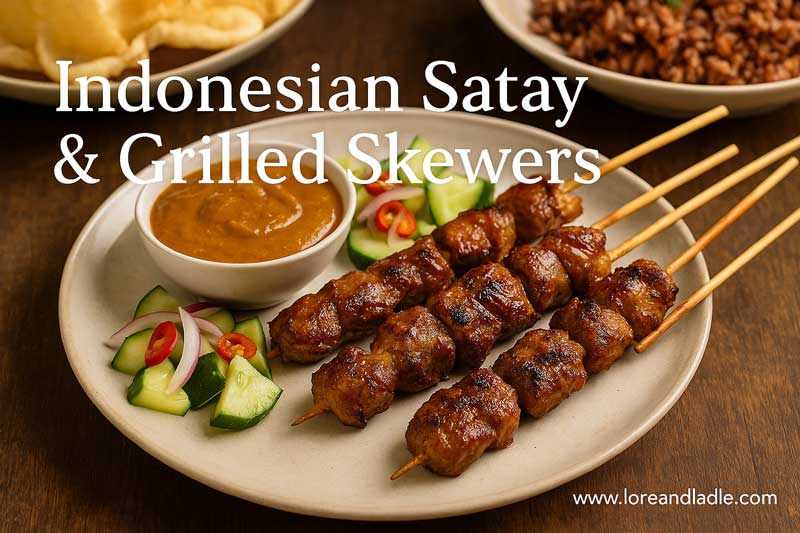
From Jakarta to Your Kitchen: Ayam Bakar Made Simple
Ayam Bakar, or grilled chicken, carries the pulse of Jakarta in its aroma and texture. The dish speaks to the city’s everyday life and its love of shared meals. It is approachable yet deeply rooted in technique and tradition. This post explores its cultural value and culinary significance. We will celebrate how Ayam Bakar connects people to place, to craft, and to one another. The aim is to present a neutral, inviting view of a beloved Indonesian dish.
The Soul of Ayam Bakar: What It Represents in Jakarta
In Jakarta, food Is a daily conversation shared across kitchens, markets, and sidewalks. Ayam Bakar appears in homes as a reliable centerpiece for family meals and in street stalls as a tempting, social draw. The dish embodies balance: ease of preparation paired with a depth of flavor. The smoke from the grill, the sheen of a glossy glaze, and the scent that lingers in the air all signal a moment of gathering. People come together to cut, share, and savor. In this way, Ayam Bakar functions as a cultural hinge—simple in form, richer in meaning. It invites conversation about what a city eats, how it treats a single chicken with care, and how a shared plate becomes a small ceremony of hospitality. The dish also reflects Jakarta’s openness to flavors and techniques, welcoming marinades, glazes, and grilling styles from many kitchens.
The Flavor Ladder: Marinade, Smoke, and Balance
The heart of Ayam Bakar lies in its marinade and the kiss of smoke that follows. Aromatics such as garlic, shallots, and ginger mingle with turmeric, coriander, and ground pepper. A touch of lemongrass brightens the profile, while palm sugar provides a gentle sweetness. Soy sauce or kecap manis may enter the glaze, lending depth and a velvet sheen. The result is a harmony of sweet, salty, and savory notes that feels both comforting and vibrant. The grill adds a smoky layer that cannot be rushed. Char yields a subtle bitterness and a caramelized edge that enhances tenderness. The balance of heat, perfume, and gloss creates a sensory memory that travelers and locals alike recognize. In Jakarta, this balance is not a single rule but a guide. Families adapt it to their pantry and preferences, preserving the dish’s essence while allowing personal expression.
Craft in the Kitchen: Step-by-Step, Made Simple
Ayam Bakar thrives on a method that is straightforward yet precise. First, marinate clean chicken with a blend of garlic, shallots, turmeric, coriander, pepper, and a pinch of salt. Let it rest long enough to soak in the flavors. Second, prepare a hot charcoal grill or a grill pan to achieve a lively, even heat. Third, grill the chicken, turning occasionally for even charring. Baste with a glaze during the final moments to build a glossy coating. Finally, let the meat rest briefly, then plate with a squeeze of lime and a side of chili or sambal if you like a gentle kick. For home cooks, this approach is forgiving and adaptable. You can use a conventional oven’s broiler or a stovetop grill pan, keeping the focus on the glaze, the aroma, and the tenderness of the meat. The beauty of Ayam Bakar is the ease of starting, followed by the satisfaction of a well-balanced finish.
A Place at the Table: Social and Cultural Fabric
Ayam Bakar is more than a dish; it is a social signal in Jakarta’s bustling life. Its presence at a table marks care and hospitality. Friends and neighbors often share a plate, chafing dishes, or a common platter, turning a meal into a small community event. The aroma travels beyond walls, drawing curious passersby and inviting conversation. In markets and hawker stalls, it demonstrates how cooking can be a public art—grill masters rhythmically manage heat, glaze, and timing while engaging with customers. This dynamic reflects a culture that values generosity, attentiveness, and the joy of eating together. The dish thus reinforces a sense of belonging, where a simple piece of grilled chicken opens a space for connection, storytelling, and shared satisfaction.
Regional Echoes Within the City: Jakarta’s Flavor Palette
Jakarta’s Ayam Bakar carries echoes of Betawi flavors—bright, balanced, and gently sweet—while welcoming regional influences that travel through the city’s kitchens. The glaze’s glaze-and-sugar profile, the use of kecap manis, and a crisp char are common threads that weave together a Jakarta-specific sensibility. Yet each home and stall adds its own touch: a touch more garlic, a hint of lime, a bit more heat, or a lighter touch of palm sugar. This flexibility makes Ayam Bakar a living canvas. It showcases how a traditional method can adapt to everyday life without losing its core identity. The result is a dish that remains recognizably Ayam Bakar while reflecting the city’s eclectic pace and warmth.
The Future of Ayam Bakar: Respectful Adaptations
In modern kitchens, Ayam Bakar continues to thrive because its essence translates well to different settings. Simple ingredients, clear steps, and an emphasis on aroma and texture keep the dish accessible. Home cooks can experiment with different marinades, while preserving the smoky finish that defines the experience. As urban households explore healthier or alternative substitutions, Ayam Bakar remains a flexible centerpiece: it welcomes substitutions in spices, sweeteners, and cooking methods as long as the balance and technique preserve the dish’s character. This adaptability ensures Ayam Bakar remains relevant for new generations, while honoring its roots in Jakarta’s street and kitchen culture.
Pairings, Serving, and Presentation: Respectful Plate, Shared Joy
Serving Ayam Bakar with steamed rice aligns with its practical roots and cultural setting. A wedge of lime, a small bowl of sambal, and fresh herbs elevate the dish without overpowering it. The visual appeal comes from a glossy glaze and carefully charred edges. Plating in a simple, clean manner mirrors the dish’s honest approach: good ingredients, clear technique, and a sense of calm hospitality. The enjoyment comes from sharing, not from spectacle. By presenting Ayam Bakar in a straightforward, thoughtful way, the cook honors the tradition of mindful preparation and the joy of a meal that brings people together.
Closing Note: The Language of Grilled Chicken in Jakarta’s Food Culture
Ayam Bakar Made Simple is not merely a recipe; it is a window into Jakarta’s daily life, culinary curiosity, and sense of community. It captures a rhythm of grilling, glazing, and gathering that many households treasure. The dish teaches us to value balance, patience, and generosity in the kitchen. It reminds us that a single, well-prepared piece of chicken can carry memory, welcome, and shared delight across tables and streets. If you approach Ayam Bakar with this spirit, you’ll taste the city as it lives in a home kitchen: warm, accessible, and inviting.