
Ayam Goreng and Other Classic Indonesian Dishes Loved in America
Indonesian cooking has a bright and inviting voice in American kitchens. Ayam Goreng, or fried chicken, stands as a beloved centerpiece in many homes and small eateries. This post celebrates the cultural value and culinary significance of Ayam Goreng and other classic Indonesian dishes that American diners are discovering and cherishing. The shared joy around these dishes reveals how flavor, technique, and hospitality travel with ease across borders, enriching everyday meals with warmth and nuance.
Ayam Goreng: The Golden Crunch
Ayam Goreng shines with a crisp, golden crust and a fragrant, savory interior. The marinade blends garlic, shallots, and turmeric with a touch of coriander and salt. A brief rest lets the flavors mingle, and then the chicken dives into hot oil until the skin drinks in heat and lights up with aroma. The result is a bird that stays juicy inside while delivering a satisfying crackle on the outside. in America, Ayam Goreng often joins a plate with steamed rice, fresh lime wedges, and a bright sambal. This combination highlights balance: the rich chicken, the citrus lift, and the peppery heat, all crafted with care and a respect for texture. The dish speaks to the importance of technique—finding the right fry temperature, the moment to drain, and the timing that keeps skin crisp yet tender. It is a dish that invites sharing, conversation, and a sense of homecoming around the table.
Nasi Goreng and Satay: Everyday Stars
Nasi Goreng and Satay form a complementary pair that many Americans come to know together. Nasi Goreng, a fragrant fried rice, starts with garlic and shallots, then adds a whisper of sweet soy, a hint of chili, and a kiss of fried egg. The result is comforting, savory, and gently smoky, a dish that adapts to household pantries and chef creativity alike. Satay brings balance with its skewered meat—often chicken or beef—marinated in turmeric, coriander, and coconut milk, then grilled to a caramelized edge. The peanut sauce that accompanies Satay is a celebration of creamy warmth—peanuts, garlic, and a touch of lime mingle to lift the meat’s natural savor. Together, Nasi Goreng and Satay illustrate Indonesian culinary artistry: simple ingredients, precise technique, and flavors that feel both familiar and exciting to American palates.
Rendang: Slow-Cooked Depth
Rendang offers depth that lingers in the memory. This dish pairs coconut milk with a vibrant paste of lemongrass, ginger, galangal, and a spectrum of spices. A slow simmer concentrates flavors until the beef becomes tender and richly coated in a glossy, deeply aromatic sauce. Rendang teaches patience and balance: sweetness from coconut, warmth from spices, and a gentle heat that invites long conversations at the table. In American kitchens, Rendang serves as a centerpiece for special meals, yet it also adapts to weeknight cooking with careful planning and a well-chosen spice paste. Its cultural value lies in showing how a dish can evolve through time, preserving its heart while embracing new cooks and new palates.
Gado-Gado: Freshness and Peanut Harmony
Gado-Gado presents a rainbow on a plate, with crisp vegetables, tofu or tempeh, and a velvety peanut dressing. The dressing blends roasted peanuts, garlic, tamarind, and a touch of palm sugar, delivering a balance of nutty creaminess and bright acidity. This dish celebrates fresh produce and texture, inviting a mix of crunch and silk on every bite. In America, Gado-Gado invites a light, vibrant counterpoint to richer dishes. It also underscores a culinary philosophy that values variety and harmony: variety in colors, textures, and flavors; harmony in how each element supports the others. The result is a dish that teaches the beauty of balance and the joy of arranging a plate with care.
Soto and Bakso: Comfort Bowls for All
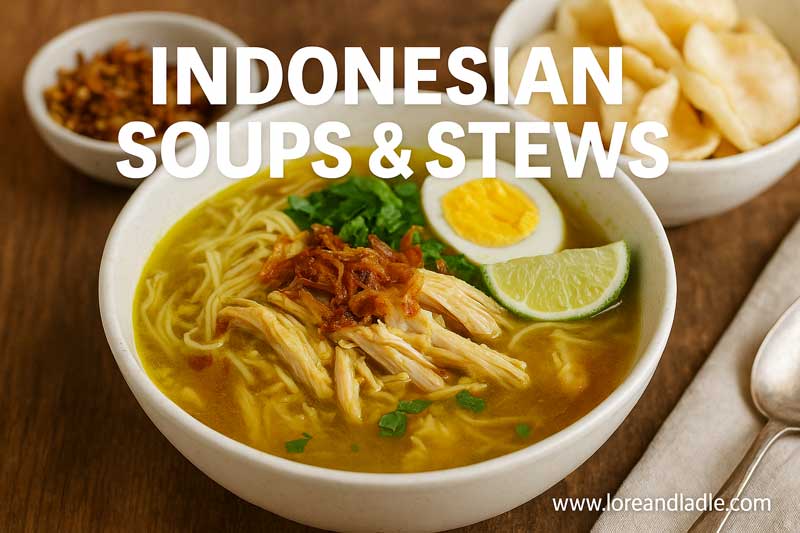
Soto, a clear, aromatic soup, and Bakso, a comforting meatball soup, bring warmth and accessibility. Soto features broth brightened with herbs, with rice noodles or glass noodles, tender meat, and a chorus of toppings like scallions, fried shallots, and lime. Bakso offers well-made meatballs in clear or lightly seasoned broth, often served with noodles and fresh herbs. Both dishes emphasize soothing warmth, gentle textures, and a sense of well-being in every spoonful. In American restaurants and homes, these bowls provide approachable introductions to Indonesian flavors—fragrant broths, delicate meat, and a comforting, restorative finish that pairs well with a simple crust of bread, rice, or noodles.
A Shared Language of Flavor and Craft
What ties Ayam Goreng, Nasi Goreng, Rendang, Gado-Gado, Soto, Bakso, and other Indonesian classics together is a shared language of flavor and craft. Each dish shows balance: a careful mix of sweet, salty, sour, spicy, and umami notes. Each also honors technique, from marinating and frying to slow braising and delicate blanching. In American settings, these dishes connect cooks and diners through familiar textures and new experiences alike. They invite curiosity while offering comfort, and they celebrate hospitality—the warm invitation to gather, taste, and enjoy.
Bringing Indonesian Flavor Home
For readers and home cooks in America, these dishes offer approachable ways to explore Indonesian cuisine. Start with Ayam Goreng as a confident introduction to crisp textures and savory depth. Add Nasi Goreng with a quick fried rice base, then introduce Rendang as a centerpiece for thoughtful weekend cooking. Build a plate with Gado-Gado’s fresh vegetables and peanut dressing, and round out meals with Soto or Bakso for a gentle, fulfilling finish. Each dish teaches technique, aroma, and balance, while inviting cooks to adapt with confidence and care.
Conclusion: The Beauty of Indonesian Culinary Practice
Ayam Goreng and the classic Indonesian dishes loved in America illuminate a culinary culture that celebrates aroma, texture, and balance. They invite cooks to honor tradition while exploring personal creativity. The result is food that feels generous, precise, and deeply satisfying. In kitchens across America, these dishes bring people together around a table where flavor, craft, and hospitality meet in harmony.