
Introduction
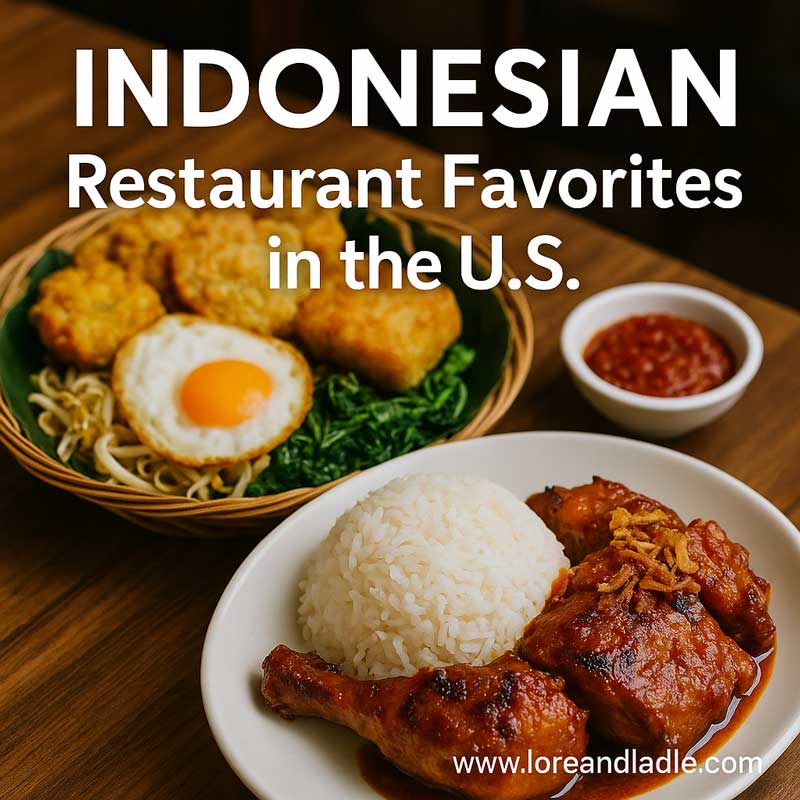
Ayam Goreng: An Healthy Indonesian Classic to Try in the U.S. invites you to taste a dish that blends simple ingredients with thoughtful technique. This fried chicken moves beyond everyday comfort food by highlighting Indonesian flavors, balance, and care. It stands as a warm invitation to share a meal that speaks of home, locality, and craft. In this post, you’ll find how the dish carries cultural value and culinary significance, and how it can fit into American kitchens with clarity and delight.
What makes Ayam Goreng uniquely Indonesian
Ayam Goreng earns its identity from a bright spice paste and a gentle, attentive fry. Turmeric lends a sunlit color and earthy aroma; garlic and shallots add depth; coriander and pepper provide warmth. A touch of lemongrass or lime leaf may brighten the profile, while a splash of sweet soy or salt keeps the flavors grounded. The result is crisp, fragrant skin surrounding juicy flesh, with layers of comfort in every bite. This combination reflects Indonesian attention to balance: heat and aroma, richness and restraint, texture and tenderness.
Flavor, technique, and the craft of frying
The heart of the dish lies in technique as much as in seasoning. First, the chicken is cleaned and often lightly seasoned or marinated with the spice paste. Then the pieces rest, letting flavors mingle. The traditional fry uses hot oil to create a crisp exterior while preserving succulent meat inside. Some cooks parboil or pre-cook briefly to ensure even tenderness, then finish with a final fry for a golden crust. Serve Ayam Goreng with fresh accompaniments like cucumber slices, lime wedges, or a small dish of chili sambal. The aroma and the sight of the crackly skin announce a well-made meal, inviting everyone to gather and share.
Cultural value within Indonesian meals
Ayam Goreng is a versatile part of everyday life. It appears on family tables, at festive gatherings, and in moments that celebrate hospitality. The dish embodies generosity: a home cook’s careful spice mix, time for marinating, and patience during frying. It invites conversation, whether you are sampling with rice, dipping into a bright sambal, or savoring a touch of sweet soy. Across homes, the dish shows how flavor can be both comforting and expressive, linking generations through a shared recipe and the pleasure of a well-prepared plate.
Enjoying Ayam Goreng in the U.S.
In the United States, Ayam Goreng is enjoyed in Indonesian restaurants and recreated at Home by curious cooks. The dish travels well with familiar sides like steamed rice or seasoned vegetables, and it pairs nicely with a bright chili sauce. Home Cooks in the U.S. often adapt the spice paste to available ingredients, swapping lemongrass for citrus zest or using accessible spice blends. The result remains deeply Indonesian in character, while fitting local tastes and kitchen setups. This accessibility helps the dish become a thoughtful entry point to Indonesian culinary practice.
Healthful preparation tips for modern kitchens
To keep Ayam Goreng appealing for a health-conscious kitchen, consider these options:
– Use an air fryer or a shallow pan with careful oil control to reduce fat while maintaining crispness.
– Marinate the chicken with turmeric, garlic, and shallots, then air-fry for a lighter finish.
– Choose skin-on chicken for moisture retention; if you prefer less fat, remove the skin before cooking.
– Drain excess oil after frying and serve portions with plenty of fresh vegetables.
– Pair with brown rice or quinoa for a heartier, fiber-rich meal.
These approaches honor the dish’s flavors while aligning with practical, modern cooking.
A respectful invitation to explore
Ayam Goreng offers more than a meal; it offers a doorway to Indonesian culinary artistry. Its bright spices, careful frying, and generous serving style reveal a culture that values flavor, hospitality, and balance. In the U.S., you can honor that heritage by preparing it with patience, using fresh ingredients, and sharing the plates with family or friends. By savoring Ayam Goreng, you join a tradition that celebrates nourishment, warmth, and the beauty of well-made food.