
Introduction
Ayam Masak Merah shines in Malaysian kitchens as a bright ambassador of Home Cooking. It is a dish that welcomes first-time cooks with a forgiving, flavorful path. The red, glossy sauce carries a balance of sweet, tangy, and spicy notes. This post presents Step-by-Step Ayam Masak Merah tailored for new home chefs. It highlights cultural value and culinary significance, inviting you to savor the story behind the dish as you cook.
What is Ayam Masak Merah
Ayam Masak Merah is a chicken curry from Malaysia, best known for its red sauce. The color comes from chili paste and tomatoes, paired with coconut milk for richness. The sauce blends aromatics like garlic, shallots, and lemongrass with spices to create a comforting, family-friendly dish. It is commonly served with steamed rice and fresh vegetables, making it ideal for everyday meals and special family gatherings alike. The dish celebrates balance: heat without overwhelm, creaminess without heaviness, and brightness from citrus or tamarind.
Cultural Significance in Malaysian Kitchens
In many Malaysian homes, Ayam Masak Merah is more than a meal. It is a signal of care, a way to welcome loved ones, and a reminder of shared kitchen rituals. The preparation often brings together generations, as younger cooks learn the rhythm of the rempah and the patience of a gentle simmer. The red hue evokes joy and festivity, making the dish a natural choice for weekend feasts, family birthdays, or simply a comforting Sunday dinner. By weaving flavor with tradition, the dish helps preserve a sense of belonging through food.
Core Flavors and Techniques
The dish hinges on a well-developed spice paste, or rempah. Sautéing the paste slowly releases its aroma, forming the flavor foundation. Caramelized onions add sweetness, while the coconut milk lends a silky body that coats the chicken. The tang comes from a splash of tamarind juice or lime, brightening the sauce without overpowering it. Tomatos intensify the color and balance the heat from chilies. The method emphasizes thoughtful timing: bloom the aromas, brown the chicken lightly, then simmer to marry flavors. This careful layering mirrors how Malaysian kitchens craft comfort in every bite.
Step-by-Step Ayam Masak Merah for First-Time Cooks
Here is a clear, approachable path to a confident result.
1) Gather ingredients: chicken pieces, shallots, garlic, lemongrass, dried chilies or fresh chilies, tomato paste or fresh tomatoes, coconut milk, tamarind juice or lime, salt, and oil.
2) Prepare the spice base: blend shallots, garlic, lemongrass, and chilies into a smooth paste.
3) Sauté the paste: heat oil in a pan and cook the paste until it releases fragrance and deepens in color.
4) Brown the chicken: add chicken pieces and sear until lightly golden on all sides.
5) Build the sauce: stir in tomato paste or chopped tomatoes, allowing the mixture to simmer and thicken.
6) Add liquid and coconut milk: pour in coconut milk and a splash of tamarind juice or lime for brightness.
7) Simmer gently: reduce heat and let the sauce cling to the chicken, about 15–20 minutes, until chicken is tender.
8) Finish and rest: taste, adjust salt, and let the dish rest a few minutes before serving with rice and vegetables.
Key Ingredients and Substitutions
The core trio—chicken, spices, and coconut milk—defines Ayam Masak Merah. If you cannot find fresh lemongrass, use a small amount of zest from lemon grass alternatives or omit it slightly. For heat, adjust chili to taste. If tamarind is unavailable, a touch of lime juice works well for brightness. Tomato paste thickens the sauce and deepens color; fresh tomatoes add a lighter, fresher note. Fresh herbs or a pinch of sugar can balance acidity as needed.
Serving and Cultural Context
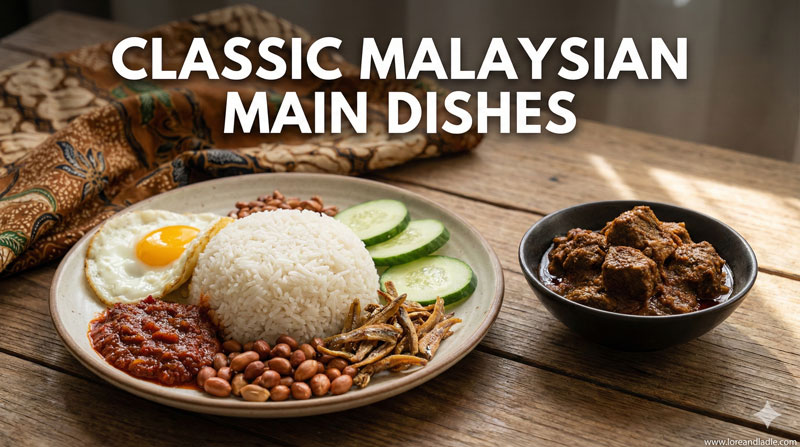
Serve Ayam Masak Merah over steamed rice with cucumber slices or a simple salad. The dish is inviting for both daily meals and celebratory gatherings, because its flavors are familiar and comforting. Sharing the dish strengthens a sense of home and hospitality, inviting conversations about family recipes and memories. The aroma travels beyond the kitchen, connecting table, utensil, and heart in a warm moment of togetherness.
Regional Variations
Across Peninsular Malaysia, you may notice small twists: slight differences in spice strength, the use of different chili varieties, or variations in how coconut milk is incorporated. Some cooks add a touch of curry powder for a subtle depth, while others favor a purer tomato-chili profile. East Malaysian kitchens may adjust herbs or serve the dish with locally grown vegetables. Regardless of the variation, the dish maintains its unmistakable identity: a red, fragrant, comforting chicken curry that honors home cooking.
Tips for Success
- Let the spice paste bloom fully to unlock aroma.
- Don’t rush the browning of the chicken; even light caramelization enhances flavor.
- Balance richness with acidity to keep the sauce lively.
- Taste as you go and adjust salt gradually; a little sweet balance can be pleasant for some palates.
- Rest the dish briefly after cooking to let flavors settle.
Conclusion
Ayam Masak Merah is more than a recipe; it is a thread that ties family meals to shared culture. For first-time Malaysian Home Cooks, its step-by-step approach offers a gentle invitation to join a timeless kitchen tradition. With each bite, you experience a story of warmth, balance, and community—embodied in a bright red sauce and tender chicken. Enjoy the process, honor the flavors, and welcome your own memories into the pot.