
Ayam Masak Merah That’s Winning Over Foodies Across the U.S.
Ayam Masak Merah is more than a dish; it is a celebration of flavor, technique, and shared meals. In every glossy bite, you sense a bright balance of tomato, spice, and tenderness. The dish spotlights how a single saucepan can hold complexity and warmth, inviting both comfort and curiosity. Across kitchens in the United States, it has found a welcoming space where home cooks and chefs alike can honor tradition while embracing new textures and ideas.
Core ingredients and the heart of the technique
The beauty of Ayam Masak Merah lies in its core components. Chicken, often cut into pieces for even cooking, braises gently in a tomato-forward sauce. Aromatics lead the way: garlic, shallots, and ginger mingle with chilies to form a bright, spicy foundation. The sauce thickens as it simmers, taking on a lacquered sheen that clings to each piece of meat. A touch of sweetness rounds the tang of tomato and chili, while Coconut Milk or a splash of stock adds depth and silkiness. Optional ingredients like lemongrass, a hint of soy or sweet soy, and a whisper of warm spices can appear in family recipes, adding their own signature.
In practice, home cooks in the U.S. recreate the dish with accessible pantry staples. The result is a sauce that glows red and ribbons over tender chicken, offering instant visual appeal and a comforting aroma. This adaptability is part of the dish’s culinary charm, as cooks balance heat, sweetness, and brightness to suit their table.
Cultural value: hospitality, memory, and shared tables
Ayam Masak Merah carries a sensibility of hospitality that resonates at gatherings and family meals. The red glaze signals warmth and welcome, inviting guests to come close to the table. The dish becomes a focal point for conversation, aroma, and the joy of sharing. Across homes, it is a canvas for family memory—recipes handed down, adjustments made with the seasons, and stories told while rice steams and forks twirl. Its presence on the table encourages conversations about flavor, technique, and the ways a kitchen can bridge everyday life with celebration.
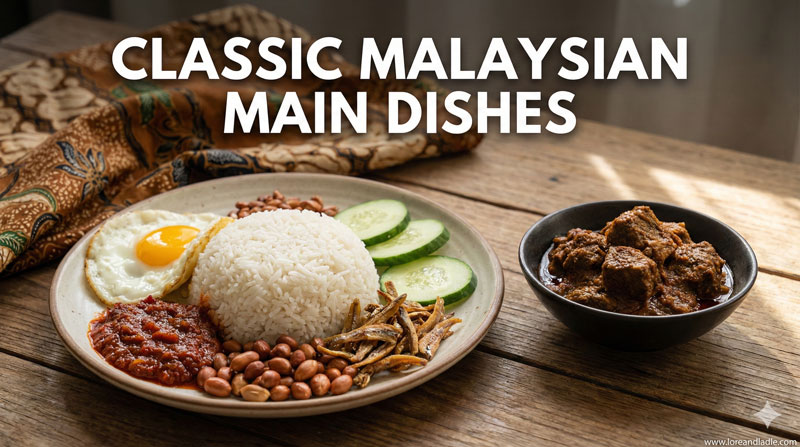
The dish also carries a sense of place within Malay culinary culture. It showcases the skill of balancing bright, tangy, and mildly sweet notes while maintaining a clean, clean finish. When presented with accompaniments such as fragrant rice and crisp vegetables, Ayam Masak Merah becomes a microcosm of a thoughtful, well-composed meal. The result is not only nourishment but a doorway to shared cultural appreciation through taste and aroma.
A modern favorite across the U.S.: cross-cultural appreciation and craft
In American dining rooms and restaurants, Ayam Masak Merah has earned admiration for its clarity of flavor and its inviting color. Chefs describe the dish as accessible yet elegant, a bridge between bold Southeast Asian flavors and familiar, comforting textures. Patrons respond to its glossy sauce, its aroma, and the way the dish pairs with simple elements like steamed rice or a fresh cucumber salad. It appears in modern Malaysian restaurants, pop-up menus, and thoughtful home kitchens, where cooks adapt the dish to local ingredients without losing its character.
The dish also serves as a versatile platform for culinary creativity. Some cooks emphasize a leaner chicken preparation, while others embrace a creamier finish with coconut milk. The result remains consistent: a bright, satisfying plate that encourages exploration, conversation, and a sense of discovery with every bite.
How to experience Ayam Masak Merah at home
- Start with a solid sear on chicken pieces to develop flavor, then remove them and build the sauce with aromatics.
- Deglaze the pan with a little liquid to lift caramelized bits, then simmer the chicken back in for a lacquered finish.
- Keep the sauce bright with tomato and chili, and adjust heat with peppers or chili paste to taste.
- Finish with a touch of salt, a hint of sweetness if desired, and a splash of lime or vinegar to brighten the finish.
- Serve with steamed rice and crisp vegetables to echo the dish’s balance of textures.
Celebrating the beauty of the dish
Ayam Masak Merah offers a clear expression of culinary craftsmanship: technique that respects ingredients, a color that invites, and flavors that linger with warmth. It stands as a testament to how a single recipe can enrich a shared table, invite curiosity, and become a beloved staple in kitchens far from its origins. By embracing its vibrant profile and its spirit of hospitality, food lovers across the U.S. discover not only a memorable dish but a meaningful expression of culture through cooking.