
Ayam Penyet and Indonesian Chicken: Favorites for Indonesian Food Fans in the United States
Ayam Penyet is more than a dish. It is a doorway to Indonesian flavor, texture, and culinary care. in the United States, many Indonesian language and culture lovers discover this bright, spicy chicken classic and celebrate its balance of heat, tang, and comforting familiarity. The recipe holds a warm place in the heart of Indonesian cooking, inviting diners to taste how simple ingredients become a memorable meal.
What Ayam Penyet Is: A Smashed Chicken Classic
Ayam Penyet means “smashed chicken,” and the name tells you how the dish comes to life. A fried chicken portion is briefly pressed to soften the exterior, creating a gently crisp skin beneath. The method reveals a tenderness inside while preserving a satisfying crunch at the edges. The dish is lively, immediate, and easy to recognize in any Indonesian kitchen or restaurant. This straightforward technique highlights how precision in heat and pressure can transform everyday chicken into something celebratory.
The Craft: Smashed Chicken, Crisp Skin, and Savory Sambal
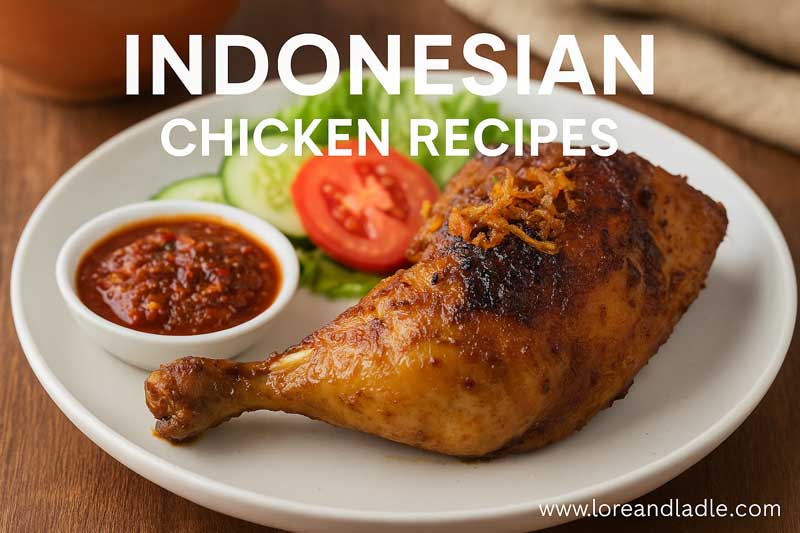
The heart of Ayam Penyet lies in its sauce and accompaniment. A vibrant sambal—a chili-based paste with garlic, shallots, and citrus or sugar—brings brightness and heat. The sambal is often mixed with lime juice or a touch of palm sugar to create a balance of sharp, sweet, and hot notes. The result is a sauce that wakes the palate and invites repeat tasting. The careful frying of the chicken, followed by the gentle smash, showcases how preparation and timing shape flavor and texture in Indonesian cooking.
The Plate: Rice, Cucumber, Tempeh, and Tofu
Ayam Penyet is typically served with a bed of steamed rice, slices of cucumber, and small portions of fried tempeh or tofu. These components provide a refreshing contrast to the spicy chicken. The cool cucumber and the soft, nutty notes of tempeh or tofu anchor the plate and create a harmonious balance. The arrangement also reflects Indonesian culinary aesthetics, where color, texture, and aroma come together on a single plate.
The Sauce Symphony: Sambal as the Flavor Compass
Sambal is more than a side; it is the heartbeat of Ayam Penyet. Its heat can vary, but its purpose remains constant: to brighten the dish without overpowering the chicken. The tang from lime or tamarind, the sweetness from palm sugar, and the aromatic punch of garlic and shallots make the sambal an essential guide for flavor. Diners learn to adjust the level of heat and savor in each bite, discovering how the sauce and chicken complement one another.
Cultural Value: Hospitality, Shared Meals, and Indonesian Flavor
Indonesian cooking is deeply social. Ayam Penyet embodies the idea of sharing, savoring, and appreciating well-prepared food. The dish invites conversation—about technique, ingredients, and sensory delight. It celebrates craftsmanship in each step, from selecting fresh chilies to perfecting the smash. The result is a meal that feels friendly and intentional, inviting people to slow down and enjoy careful cooking.
In the United States: A Growing Appreciation
Within the United States, Ayam Penyet resonates with diners who seek vibrant, approachable Indonesian flavors. Restaurants and home kitchens alike celebrate the dish as a gateway to broader Indonesian chicken recipes. People notice the crisp exterior, the tender meat, and the lively sambal. The dish serves as a flavorful ambassador, encouraging curiosity and respect for Indonesian culinary artistry.
Conclusion: A Dish that Bridges Flavors
Ayam Penyet stands as a testament to how technique, balance, and care create a dish that is both comforting and exciting. Its smashed chicken, crisp skin, fragrant sambal, and thoughtful accompaniments offer a clear window into Indonesian food culture. For Indonesian food fans in the United States, Ayam Penyet remains a beloved favorite—recognizable, celebratory, and deeply flavorful. The dish invites everyone to explore Indonesian flavors with warmth and curiosity.