
Ayam Pop: A Gentle Classic
Ayam Pop is a beloved Indonesian dish that shows how gentle cooking can bring out bright flavors. The chicken is prepared to stay tender and juicy, then finished with a crisp, light skin. A mild garlic scent guides the palate, with subtle notes of shallot and pepper adding depth. Often the dish is plated simply, letting the texture do the speaking. When served, Ayam Pop invites a peaceful, communal moment at the table.
Culturally, Ayam Pop honors hospitality. It comes to the table with a quiet confidence, pairing well with rice and a lightly spiced sauce or dip. The technique—careful parboiling followed by careful frying—balances moisture and crunch. This balance mirrors a broader Indonesian style that values harmony among flavors and textures. The dish is approachable for beginners, yet it carries a sense of care that many cooks share in family kitchens and friendly gatherings. In America, Ayam Pop often appears alongside other Indonesian favorites, inviting diners to notice how simple ingredients can become memorable meals.
Nasi Goreng: Indonesian Fried Rice for Everyday Meals
Nasi Goreng is a cornerstone of Indonesian cooking and a favorite for cooks of all levels. It starts with rice that is seasoned with garlic, shallot, and a splash of kecap manis—Indonesian sweet soy sauce. The result is a bright, savory dish that can be whipped up quickly. A fried egg on top is a common finishing touch, adding color and richness.
Culturally, Nasi Goreng celebrates frugality and creativity. It turns everyday leftovers into a comforting, flavorful plate. The dish emphasizes balance: the sweetness from kecap manis counters the heat of chili, while vegetables add freshness. In American kitchens and eateries, Nasi Goreng has become a welcoming entry point to Indonesian flavors. Its straightforward technique makes it approachable for beginners, yet its depth invites curiosity and repeat cooking.
Mie Goreng: Fragrant Indonesian Stir-Fried Noodles
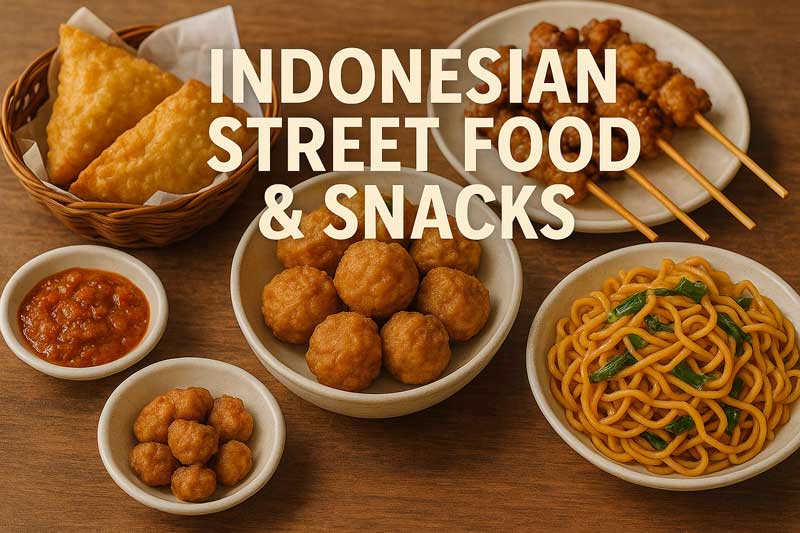
Mie Goreng translates to fried noodles, and this dish is all about aroma and speed. Egg noodles or thin wheat noodles are tossed quickly in a hot wok with garlic, onion, vegetables, and a splash of sweet soy sauce. The result is a savory, slightly sweet dish with a satisfying chew and a hint of smoky aroma.
Culinarily, Mie Goreng showcases the Indonesian talent for layering flavors in a single skillet. The dish highlights texture—from the al dente noodles to crisp-edged vegetables—and it underscores the importance of balance. In America, Mie Goreng shines in casual dining and home kitchens alike. It’s easy to learn, with room to adapt spice levels and ingredients, making it a reliable bridge between Home Cooking and Indonesian flavor exploration.
Satay Ayam: Skewered Flavor and Peanut Harmony
Satay Ayam brings together simple ingredients and a memorable dipping sauce. Chicken skewers are grilled to a gentle char, then served with a peanut sauce that blends roasted peanuts, garlic, lime, and a touch of sweet soy. The result is a lean, flavorful bite with a creamy finish from the sauce.
Culturally, Satay Ayam embodies convivial dining. Skewers invite sharing and social eating, a hallmark of many Indonesian gatherings. The peanut sauce highlights a key Indonesian technique: building flavor through nut-based sauces that pair with vegetables and meats alike. In American contexts, Satay Ayam often appears as a party favorite or a starter in Indonesian-inspired menus. Its approachable ingredients and easy grilling method make it friendly for beginners while still delivering authentic, vibrant flavors.
Gado-Gado: A Bright, Nutty Vegetable Medley
Gado-Gado is a fresh, colorful vegetable salad bathed in a rich peanut-sauce dressing. A variety of vegetables—such as blanched greens, cucumbers, bean sprouts, and boiled eggs—come together with a silky peanut sauce that makes the dish feel luxurious yet approachable. The sauce often blends peanut, garlic, tamarind, and lime, creating a bright, tangy finish that ties the plate together.
Culturally, Gado-Gado highlights the Indonesian emphasis on balance and variety. Each bite offers a different texture: crisp vegetables, creamy sauce, and the soft yolk of a boiled egg. In American dining scenes, Gado-Gado stands out as a vibrant, healthful choice that still feels celebratory. It demonstrates how fresh produce and a single, well-made sauce can elevate a simple meal into something memorable and shareable.
The Craft of Indonesian Home Cooking: Techniques and Taste
Indonesian cooking often centers on a few core techniques that yield big flavor. Fresh aromatics—garlic, shallot, ginger, and chili—are the foundation. Sauces like kecap manis contribute sweetness and depth without heaviness. Stir-frying, shallow frying, and gentle simmering are common methods that preserve moisture and brightness.
A common thread across Ayam Pop, Nasi Goreng, Mie Goreng, Satay Ayam, and Gado-Gado is the balance of flavors: sweet, salty, sour, and toasty notes all find a place on the plate. This balance reflects a cultural preference for meals that feel complete, even in everyday settings. The plates are often colorful, with fresh herbs or vegetables adding crunch and color. Texture plays an important role, from crisp chicken skin to silky peanut sauce and firm noodles. In America, these dishes travel well from kitchen to table, inviting curious diners to savor each component.
The Cultural Value and Culinary Significance
These dishes carry cultural value through shared meals and everyday cooking. They teach the joy of making familiar, comforting foods with bright Indonesian flavors. The emphasis on fresh ingredients, clear technique, and thoughtful seasoning shows how culinary traditions can be both practical and artistic. For American diners, the dishes offer a doorway into Indonesian taste profiles—garlic-forward profiles, gentle sweetness, and a balance of textures. The result is a dining experience that feels both welcoming and expressive.
Culinary significance also shines in the way these dishes adapt to different kitchens. A home cook can start with Ayam Pop and gradually explore Nasi Goreng or Satay Ayam. The core ideas—the use of aromatics, the idea of balance, the power of a good sauce—remain constant, even as ingredients vary by season or market. This adaptability speaks to the heart of Indonesian cooking: respect for ingredients, patience in technique, and joy in sharing a meal.
Tips for Beginners: Finding, Preparing, and Enjoying
- Start with accessible ingredients. Garlic, shallots, fresh chili, and a good sweet soy sauce make a big difference.
- Choose a simple dish to begin. Nasi Goreng or Satay Ayam are excellent starting points for new cooks.
- Use store-bought sauces to build confidence. A quality kecap manis or peanut sauce can carrying a dish a long way.
- Adjust spice to your taste. You can control heat by the number and type of chiles you add.
- Practice the technique. A little extra attention to timing in frying or stir-frying yields crisper textures and more vibrant flavors.
- Pair with fresh greens or cucumber for balance. The crunch and coolness brighten the plate.
Conclusion: A Delicious Invitation
Ayam Pop and the other beginner-friendly Indonesian dishes loved in America open a window to a rich culinary tradition. They celebrate clear techniques, fresh ingredients, and a thoughtful balance of flavors. They are welcoming to cooks at every level and inviting to diners exploring new tastes. By embracing these dishes, you can enjoy beautiful meals that feel both comforting and exciting. Whether you are cooking at home or trying Indonesian-inspired dishes in a restaurant, you are part of a shared appreciation for careful craft, vibrant flavors, and the joy of good food at the table.