
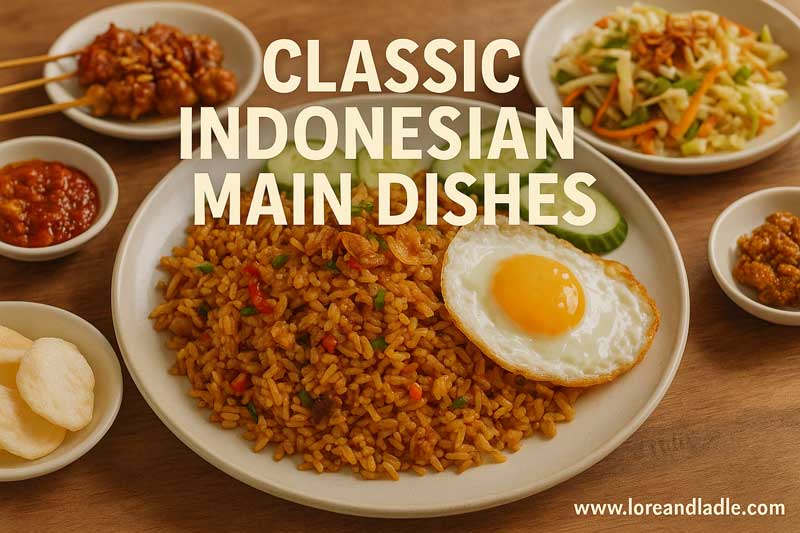
Ayam Rica-Rica and Classic Indonesian Main Dishes Favorites for Indonesian Food Fans in the U.S. invites readers to explore a vibrant slice of Indonesian culture. This post focuses on cultural value and culinary significance, celebrating how these dishes tell stories through flavor, technique, and shared meals. The goal is to honor the beauty of each dish and its place in everyday life and celebrations alike.
Ayam Rica-Rica: A Fiery Icon of Manado Flavor
Ayam Rica-Rica is a bright, bold chicken dish from Manado. It showcases chili heat, fresh aromatics, and a lively balance of notes. The dish is quick to cook when you have a fragrant paste ready. Its red hue invites the senses and signals a warm, welcoming meal. In many kitchens, this dish becomes a centerpiece for gatherings, where friends and family savor hot, balanced flavors together.
The Sauce and Spice: What Gives Rica-Rica Its Identity
The heart of Rica-Rica is a spicy paste, usually made from red chilies, shallots, and garlic. Ginger, lemongrass, and lime leaves lift the aroma, while a touch of turmeric adds warmth. Some cooks finish the dish with a splash of citrus juice for brightness. The chicken is coated in the paste and simmered or briefly sautéed, letting the flavors cling to the meat. This method highlights a philosophy of balance: heat, fragrance, acidity, and savoriness all in harmony.
Classic Indonesian Main Dishes: A Palette of Flavors
Indonesian main dishes offer a wide range of profiles. Nasi Goreng brings comforting fried rice with a savory, sweet-salty balance. Rendang slow-cooks beef in coconut milk and spices until tender and deeply flavored. Satay features skewers grilled to smoky perfection with a peanut sauce. Soto Ayam offers a clear, comforting chicken soup with herbal notes. Ayam Goreng presents crisp, golden chicken that respects simple, true flavors. Each dish plays a distinct role in meals, festivals, and everyday cooking, forming a rich tapestry of Indonesian cuisine.
Cultural Value: Shared Tables and Culinary Craft
Indonesian meals often center on the table as a place to connect. The act of preparing a dish like Ayam Rica-Rica involves careful layering of spices, fresh chopping, and steady timing. That craft is passed down through generations, refined in home kitchens and humble eateries. The dishes reflect regional character and local ingredients, yet they share a thread of hospitality. Food becomes a language for welcoming others and celebrating everyday life.
In the United States: Enjoying Indonesian Main Dishes
Readers in the United States can explore these Flavors in diverse settings. Indonesian restaurants showcase regional specialties, while Home Cooks adapt recipes to available ingredients. Fresh herbs, chilies, and coconut products are increasingly easy to find in markets or online. Regardless of place, the joy comes from honoring tradition while cooking with care and curiosity.
Cooking Tips for Ayam Rica-Rica at Home
- Start with a bright paste: blend red chilies, shallots, and garlic until smooth.
- Add lemongrass, ginger, and lime leaves for fresh aroma.
- Marinate chicken briefly to let flavors cling, then cook gently in the paste.
- Balance heat with a touch of sweetness or a squeeze of citrus to brighten the dish.
- Serve with plain steamed rice and crisp cucumber or tomato salad to complement the heat.
Conclusion: A Tapestry of Taste in Indonesian Cuisine
Ayam Rica-Rica stands as a vibrant ambassador of Indonesian flavor. Paired with other classic main dishes, it celebrates a culture of warmth, skill, and shared meals. The culinary value lies in its lively spice, its fragrant aromatics, and the stories carried by every bite. Whether in a kitchen in the United States or a cozy Indonesian home, these dishes invite readers to explore flavor, craft, and community—one satisfying plate at a time.