
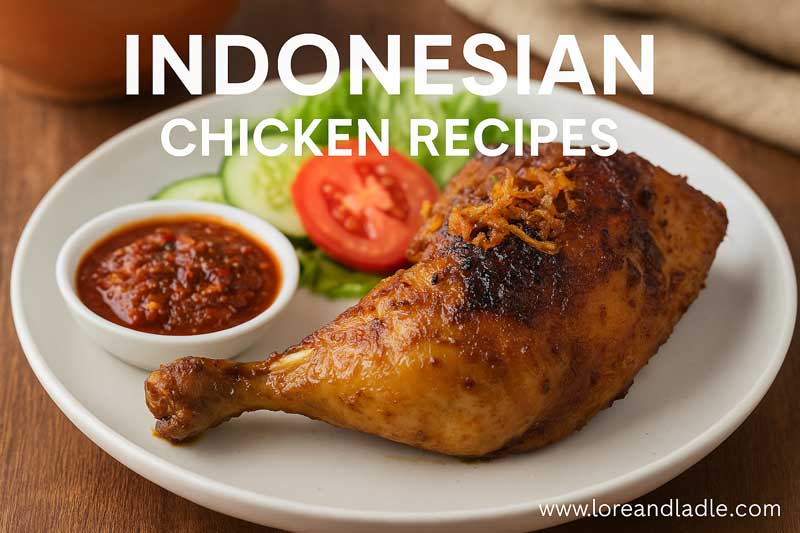
Ayam Taliwang 101: Simple Ways to Unlock Big Indonesian Flavor
Ayam Taliwang is a standout grilled chicken from Lombok that carries a warm sense of place. It invites friends and family to gather, share, and celebrate the richness of Indonesian spice. This guide focuses on its cultural value and culinary significance, while offering simple ways to savor its bold, smoky character.
A Dish Rooted in Lombok’s Food Culture
In Lombok and beyond, meals are social occasions. Ayam Taliwang is more than a dish; it is a story told through fire, aroma, and texture. The bright, peppery heat reflects a region where fresh chilies, garlic, and onions meet seafood, herbs, and island produce. The method—seasoned paste applied before a swift, direct-grill—highlights a preference for clean, vibrant flavors that shine in simple steps. Sharing this dish reminds us how food can gather people, spark conversation, and honor local farmers and markets.
The Flavor Compass: Key Ingredients and Techniques
The core flavor of Ayam Taliwang comes from a bold chili paste. Think red chilies, garlic, shallots, and a touch of shrimp paste or other aromatic seasonings. This paste is worked into the chicken, then the bird meets a hot charcoal grill. The result is a smoky, slightly charred exterior with a juicy, peppery inside. Lime or citrus notes often brighten the finish, while the paste’s warmth lingers on the palate. The technique—high heat, careful timing, and light basting—creates a balance between crisp skin and tender meat, a hallmark of its appeal.
From Market Stalls to Family Tables
Traditionally, Ayam Taliwang appears at markets, festive gatherings, and family meals. Vendors showcase the dish with pride, letting the aroma do some of the talking. Families pass down the method with gentle stewardship: grinding or grinding-by-hand of the spice paste, marinating, and a shared practice of grilling. In many homes, cooking ayam taliwang becomes a multisensory memory—steam rising from rice, the sizzle of the grill, and the chorus of laughter around the table. This continuity strengthens regional identity and keeps the craft of spice-making alive.
The Art of Grilling: Char, Smoke, and Balance
Char adds depth to the flavor profile, so the grill is a quiet partner in the dish. A how-to note: preheat the grill, maintain steady heat, and cradle the chicken near the coals for a crisp, caramelized skin. Flip once to keep the meat juicy and evenly cooked. Basting with the spice paste during the cook enhances the aroma and layers of taste. The finish should feel lively but balanced, with the heat inviting another bite rather than overwhelming the palate. This balance is a small culinary achievement that speaks to the region’s approach to spice: vivid, immediate, and never careless.
Serving Traditions and Pairings
Ayam Taliwang is commonly served with steamed rice, which acts as a neutral canvas for the sauce’s brightness. Fresh vegetables or a simple cucumber salad provide a refreshing contrast to the heat. A wedge of lime or a light squeeze of citrus can lift the flavors just before eating. The dish also pairs well with a clean, herb-forward relish or a modest sambal for those who love an extra kick. The presentation is honest and unfussy, allowing the aroma and texture to lead the experience.
Simple Ways to Unlock Big Flavor at Home
- Start with quality ingredients: bright chilies, fresh garlic and shallots, and a good-quality chicken. Freshness makes the aroma sing.
- Create a bold paste: blend chili, garlic, shallots, and a touch of shrimp paste or a savory alternative. Add salt and a hint of sweetness to round the heat.
- Marinate thoughtfully: coat the chicken evenly and let it rest for a couple of hours. A longer marination deepens flavor, but even a shorter time yields a satisfying result.
- Grill with intention: use direct heat on a hot grill. Keep an eye on the skin; aim for a crisp, lightly charred finish without drying the meat.
- Finish with brightness: a squeeze of lime or a touch of citrus zest can elevate the dish just before serving.
- Balance heat and aroma: if the paste is very spicy, pair with extra rice and fresh vegetables to maintain harmony on the plate.
- Rest briefly after cooking: a brief rest helps the juices redistribute, keeping the meat tender.
Preserving Flavor Through Time: A Cultural Lens
Ayam Taliwang shows how culinary technique travels through generations. The dish invites cooks to adapt while honoring core elements—the paste’s warmth, the grill’s smoke, and the communal joy of sharing. This continuity honors regional diversity within Indonesia’s broader food landscape and demonstrates how a single recipe can anchor family memories and community identity.
Conclusion: A Dish That Celebrates Indonesian Flavor
Ayam Taliwang 101 offers more than cooking tips. It reveals how a spicy, smoky grilled chicken embodies Lombok’s culinary spirit and Indonesia’s love of bold, clean flavors. By understanding its cultural value and culinary significance, we can appreciate why this dish remains a favorite at gatherings and markets alike. Embrace the aroma, enjoy the texture, and celebrate the way simple techniques and fresh ingredients come together to unlock big Indonesian flavor.