
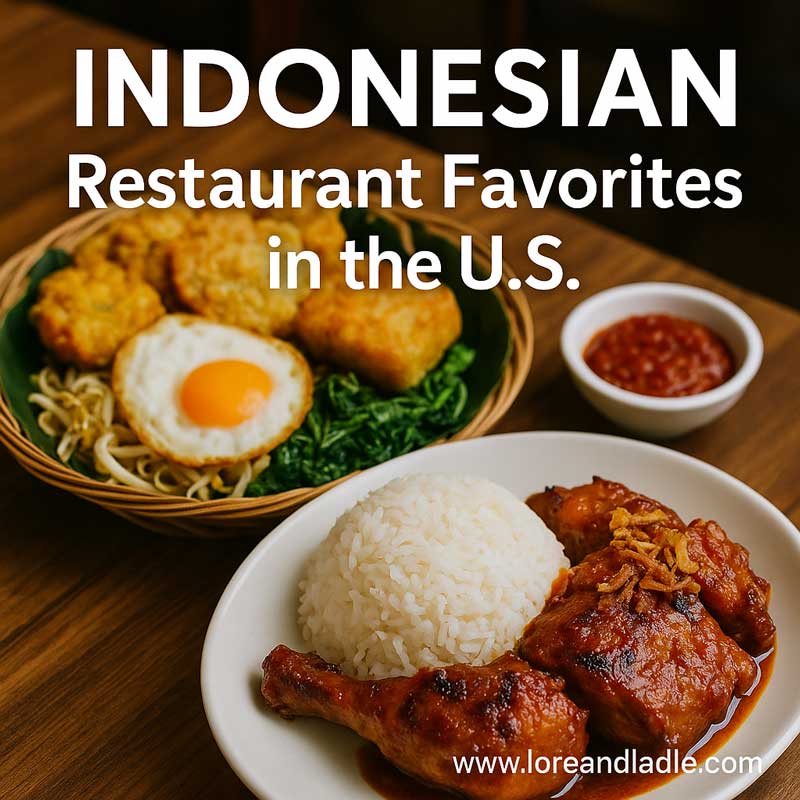
Ayam Taliwang 101: Simple Ways to Unlock Big Indonesian Flavor
Ayam Taliwang is more than a dish. It is a window into the warmth of Indonesian hospitality and the vibrant rituals of the kitchen. This post explores its cultural value and culinary significance with a clear, respectful voice. It invites you to savor not just heat, but the story behind the flame.
A dish rooted in community and place
Ayam Taliwang comes from Lombok, an island known for its bold tastes and generous gatherings. In Lombok and nearby regions, sharing a meal is an act of welcome. A platter of Ayam Taliwang appears at family celebrations, street stalls, and casual get-togethers alike. The dish embodies a spirit of generosity: everyone tastes, everyone joins the conversation, and the moment is marked by the scent of fresh chilies and smoke. This cultural value—hospitality expressed through food—remains timeless. The recipe travels with respect for place, and it adapts to home kitchens without losing its essence.
The technique: fire, patience, and balance
The method of cooking Ayam Taliwang is a thread that weaves flavor and culture together. First, the chicken is prepared with a bold spice paste. The paste blends chili, garlic, shallot, and a touch of shrimp paste, along with sweet-tish notes from palm sugar and lime. Then the meat is marinated, letting the ingredients mingle and deepen. Finally, the chicken grills over charcoal. The smoke from the fire adds depth and a slightly charred crust that seals in juices. This technique highlights a core idea in Indonesian cooking: heat and smoke reveal character. When done well, every bite carries a balance of heat, sweetness, and citrus that feels both lively and grounded.
The sauce: a bright, confident heart
The heart of Ayam Taliwang lies in its sauce. The chili-forward paste is not merely spicy; it is bright and aromatic. Garlic and shallots lend savory depth, while shrimp paste provides a pungent umami note. Lime juice or fresh lime wedges cut through the richness, keeping the flavor bright rather than heavy. Palm sugar temper softness, giving a gentle caramel halo. In this sauce, you hear the land’s generosity—sun, soil, and sea—composed into a single, confident bite. The sauce is designed to cling to the skin and seep into the meat, so the experience remains lively from bite to bite.
Culinary significance in Indonesian cuisine
Ayam Taliwang holds a special place in the vast tapestry of Indonesian flavors. It stands alongside other regional fire-kissed chicken dishes as a vivid example of how spice, aroma, and technique can come together to tell a story. The dish pairs beautifully with plain steamed rice, fresh cucumber, and a dab of additional sambal for those who want extra brightness. It demonstrates how Indonesian cuisine often builds layers: a simple base, a bold paste, and a smoky finish. In markets and homes, the dish serves as a reminder that flavor can be both approachable and expressive, inviting cooks to experiment while honoring tradition. Its presence on menus and in family kitchens signals a shared language of warmth and care.
Simple ways to unlock the big Indonesian flavor at home
- Start with the paste. Blend chilies, garlic, shallots, and a small amount of shrimp paste until smooth. Add a touch of palm sugar and lime juice to taste. This base is where the character comes from, so balance the heat and brightness to your preference.
- Marinate thoughtfully. Coat the chicken evenly and let it rest for 30 minutes or longer. A longer rest deepens the seasoning and builds aroma.
- Choose the right heat. If charcoal is available, use it. If not, a hot grill pan or broiler can still deliver a satisfying crust and some smoky notes.
- Watch the cook, not just the heat. Turn the chicken as it cooks to develop an even crust. Baste lightly toward the end to help the glaze cling and shine.
- Serve with care. Plate the chicken with rice and cucumber slices. Offer extra lime and a small spoon of the sauce on the side for individuals to adjust the flavor.
- Respect the rhythm. In many households, Ayam Taliwang is savored slowly, with conversation and laughter as part of the experience. Let the meal unfold and enjoy the shared moment.
A respectful, inviting tone for every eater
This dish invites curiosity without demanding it. It welcomes cooks into a conversation about ingredients, technique, and tradition. The result is a meal that feels vibrant yet balanced, confident without shouting. By focusing on the cultural value and culinary significance, we honor the people who crafted the recipe and the kitchens where it continues to evolve.
Closing thoughts: flavor as culture in motion
Ayam Taliwang 101 shows that flavor can be a gateway to understanding a place. The dish embodies hospitality, craftsmanship, and the joyful blaze of a well-tended flame. It reminds us that cooking is a living tradition—passed down, shared, and always renewed in the hands of home cooks and cooks alike. Whether you discover it in Lombok or in your own kitchen, the dish offers a respectful and delicious way to celebrate Indonesian food culture.