
Ayam Taliwang and Indonesian Vegan & Vegetarian Dishes Favorites for Indonesian Food Fans in the U.S.
This post invites you to explore the cultural value and culinary significance of Ayam Taliwang, alongside beloved Indonesian vegan and vegetarian dishes. It shines a light on how bold flavors, careful technique, and shared meals enrich Indonesian food culture for fans in the United States. The goal is a warm, informative look at how these dishes symbolize hospitality, regional pride, and the joy of cooking with seasonal ingredients.
Ayam Taliwang: A Flame-Kissed Classic
Ayam Taliwang is a flame-kissed treasure from the island of Lombok. The dish centers on chicken brushed with a vibrant spice paste. The paste blends chili peppers, garlic, shallots, and other aromatics into a bright, fiery coating. When the chicken grills, the skin darkens with a characteristic char, releasing smoky notes and a lively aroma. The result is a bright balance of heat, citrus, and savoriness that pairs beautifully with plain steamed rice or simple crunchy vegetables. Its reputation rests not only on heat, but on the depth of flavor built through layering spices and precise grilling. This combination elevates a humble chicken dish into a cultural emblem of Lombok’s culinary craft.
The Technique Behind the Flavor
The hallmark of Ayam Taliwang is how technique meets taste. A short, bold marinade is applied evenly, allowing the heat and tang to permeate the meat. The chicken is then grilled over charcoal, which intensifies the spice and creates a delicate, crisp exterior while keeping the meat juicy inside. The result is a dish that invites close tasting, with a clear progression from sizzling surface to tender interior. When served, a bright finish—often with lime or a tangy sauce on the side—enhances the brightness without masking the core spice profile. The technique celebrates patience and precision, turning a simple cut of chicken into a memorable culinary moment.
Cultural Value: Dining as a Shared Experience
In Indonesian kitchens and dining rooms, meals are occasions for connection. Ayam Taliwang embodies this spirit through its bold flavor, which invites family and guests to share in the excitement of spice and smoke. The dish often appears at gatherings, festivals, and everyday dinners where there is time to appreciate regional specialties. Its presence on the table signals hospitality and pride in local ingredients and methods. The aroma itself becomes part of the welcome, drawing people together and encouraging conversation about technique, family recipes, and regional variations. In this light, Ayam Taliwang is more than a dish; it is a bridge that honors regional skill while inviting everyone to participate in a moment of communal enjoyment.
Indonesian Vegan and Vegetarian Dishes Favorites: A Colorful Counterpart
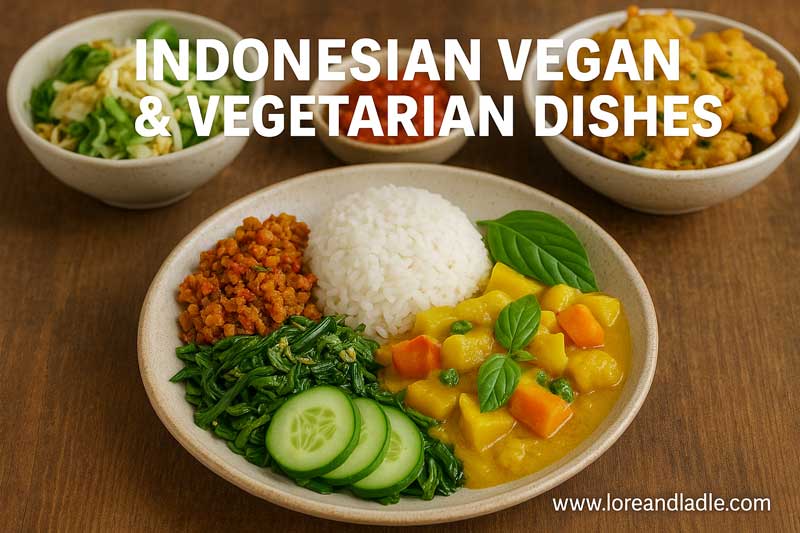
Indonesian cuisine offers a rich array of vegan and vegetarian dishes that Indonesian food fans in the U.S. treasure alongside Ayam Taliwang. These options showcase the same love of spice, balance, and texture—without meat. Gado-Gado, a colorful salad of blanched vegetables with a creamy peanut sauce, delivers a satisfying mix of crunch and richness. Pecel offers a similar concept with a peanut-based dressing that sings on crisp greens and vegetables. Sayur Asem provides a tangy vegetable soup that brightens the palate, while Sayur Lodeh features coconut milk braised vegetables with aromatic spices. Tempeh Bacem and tofu dishes present protein with satisfying chew, soaking up bold flavors from chili, garlic, and herbs. These dishes celebrate plant-based proteins as flavorful, comforting, and deeply satisfying. Across the board, the common thread is balance: heat meets sweetness, soft textures meet crisp edges, and fragrant herbs unify the plate.
Flavor, Texture, and Cultural Resonance
Across both the fiery Ayam Taliwang and Indonesian vegan favorites, texture plays a starring role. The crisp bite of grilled chicken contrasts with juicy tenderness, while plant-based dishes showcase a spectrum from silky peanut sauces to crunchy vegetables. The spice profiles honor regional ingredients—chilies, garlic, shallots, and fragrant leaves—creating a shared language people recognize and savor. Culturally, these dishes tell stories of markets, farmers, and cooks who refine a recipe across generations. They celebrate seasonal produce, thoughtful substitutions, and the joy of cooking that welcomes guests with warmth and care.
Pairing and Presentation: A Table of Harmony
In the U.S. dining scene, Ayam Taliwang finds harmony with simple accompaniments and adaptable methods. It pairs well with plain white rice to let the spice shine, and with fresh lime for bright contrast. For those enjoying vegan or vegetarian dishes, a plate of Gado-Gado or Sayur Lodeh complements the meal with creamy sauces and gentle textures. Across all options, a crisp cucumber salad or light pickles can provide refreshing balance. In home kitchens and small eateries, the presentation remains inviting: a well-charred piece of chicken next to vibrant greens, or a bowl of colorful vegetables with a glossy peanut sauce. This visual and sensory variety invites everyone to explore Indonesian flavors in a friendly, approachable way.
Creating a Welcome Kitchen for Indonesian Flavors in the U.S.
Indonesian dishes adapt beautifully to American kitchens. With straightforward ingredients—chilies, garlic, shallots, lime, peanut butter, and fresh vegetables—home cooks can recreate the spirit of Ayam Taliwang and the vegan favorites. Grilling can be done on a charcoal barbecue or a grill pan for smoky notes when outdoor cooking isn’t possible. Spoonfuls of lush peanut sauce and bright sambal can be tailored to taste. The adaptability of these dishes makes them perfect for gatherings, food markets, and family meals, where every bite reinforces a sense of place and tradition.
Final Reflections: A Living Tradition on the Table
Ayam Taliwang and Indonesian vegan and vegetarian favorites offer more than flavor. They embody a living culinary tradition that thrives on shared meals, careful technique, and a respect for ingredients. For Indonesian food fans in the U.S., these dishes provide a comforting link to home while inviting exploration of regional textures and aromas. They celebrate hospitality, creativity, and the joy of cooking that welcomes guests with warmth and flavor. As you explore these dishes, you’ll discover how bold heat, smoky depth, and bright balance create a lasting impression of Indonesian cuisine’s beauty and its enduring appeal at the table.