
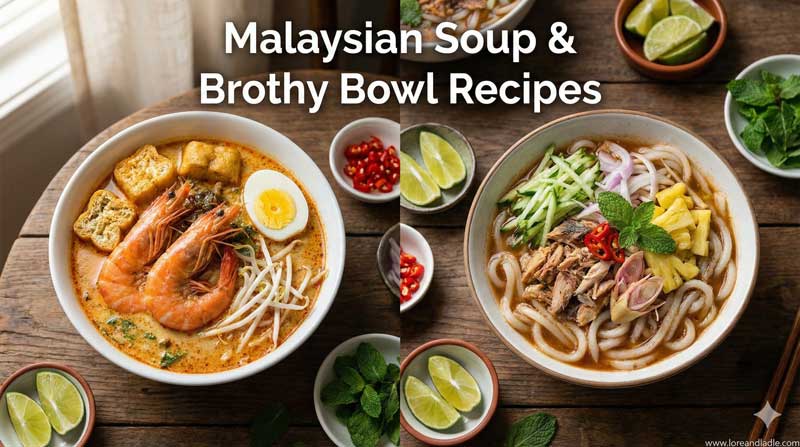
A Flavorful Bridge Between Home Cooking and Traditional Flavors
Better-Than-Takeout Bak Kut Teh-Inspired Broth You Can Make in Your Own Kitchen invites us to celebrate a beloved Southeast Asian broth in a personal, welcoming way. This dish is a doorstep to tradition, a way to honor flavors passed down through families, kitchens, and local markets. It centers on balance, aroma, and the slow art of simmering, turned into a modern, home-friendly experience. The result is a comforting broth that tastes like a memory you can recreate tonight.
Two Traditions, One Essence
Bak Kut Teh exists in multiple regional voices, each with its own gentle flourish. In Teochew-style preparations, the broth tends to be clear, garlic-forward, and peppery. In Hokkien-inspired versions, the broth blends medicinal herbs with deeper soy notes for a richer, darker finish. Both approaches share a core idea: simple ingredients can become transformative through patient cooking and careful seasoning. The home kitchen makes these traditions accessible, allowing families to carry forward a taste that feels both familiar and freshly personal. The essence is hospitality—sharing warmth through a bowl and a moment of aroma-filled conversation.
The Herbal Chorus and What It Says About Culture
Herbs and spices in this broth act as cultural signals. Star anise, cloves, and cinnamon evoke fragrant markets and seasonality. Garlic and white pepper carry forward brightness and bite. If you include certain regional herbs, you glimpse a story of place and season. The use of herbs like dang gui or other traditional roots in some variations hints at an understanding of balance—between strength and gentleness, between herbal depth and meat sweetness. This is not just flavor; it is a dialogue between nature, memory, and the cook. In many homes, selecting herbs becomes a small ritual, a nod to the care that goes into shaping a shareable pot.
The Home Kitchen as a Stage for Shared Culture
Cooking this broth at Home elevates everyday meals into moments of connection. The aroma travels through the house, inviting family and friends to gather and talk. It becomes a breakfast for some, a comforting dinner for others, and a welcoming option for guests. The act of making such a broth, then serving it with simple accompaniments like rice or a crisp youtiao, demonstrates how culture can be tasted in everyday routines. The dish embodies patience, attention to detail, and the joy of presenting something nourishing with intent and pride.
Culinary Significance: Technique, Flavor, and Adaptability
From a culinary standpoint, the broth showcases how slow simmering concentrates flavors without losing their clarity. The balance among garlic, pepper, and herbs teaches precision; the broth should feel inviting, not overpowering. This approach aligns with broader Southeast Asian cooking values: let ingredients speak, then support them with heat, time, and gentle seasoning. The home cook gains technique that can be adapted with local produce or Pantry Staples, preserving core flavor while inviting personal expression. In this way, the dish becomes a bridge between tradition and contemporary taste, a template for thoughtful, home-cooked nourishment.
A Modern Appreciation: Respectful Innovation
Modern households can honor tradition while exploring personal twists. Maintain core aromatics and the idea of a comforting, shareable broth. Introduce regional touches or seasonal greens to reflect local markets. The key is balance: preserve the soulful aroma and the gentle depth that define bak kut tehs, while inviting new textures and colors to the table. In doing so, the dish remains timeless—an always-welcome centerpiece in the kitchen, ready to delight with each simmer.
Conclusion: A Reverent, Delicious Celebration
This Better-Than-Takeout Bak Kut Teh-Inspired Broth, made in your own kitchen, celebrates culinary heritage through flavor, aroma, and hospitality. It honors the idea that good food comes from careful preparation, shared meals, and a willingness to learn from tradition. By bringing regional nuances into a home kitchen, we keep a living culture accessible, inviting, and nourishing for all who gather around the stove and the table.