
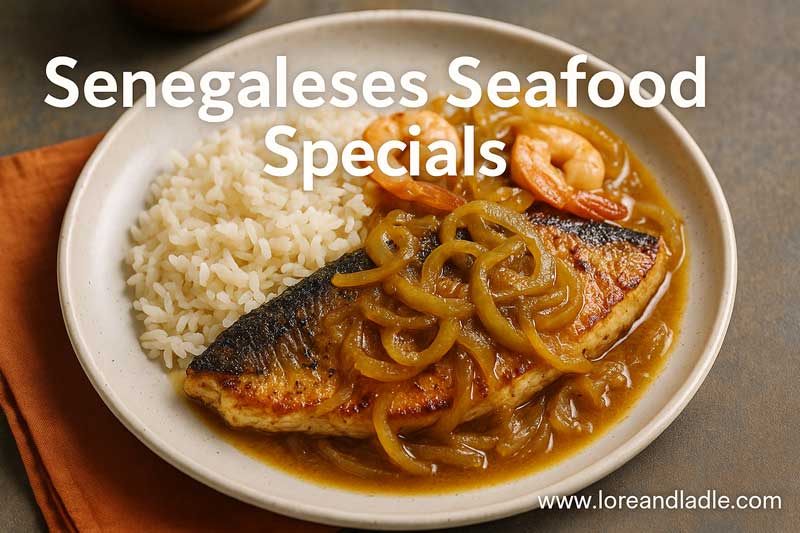
Introduction
Baked Whole Fish with Vegetables and Rice is a dish that invites conversation as much as it invites the palate. It shines in its simplicity: a single fish, surrounded by crisp vegetables and a bed of fragrant rice. In the U.S., this plate is a celebration of technique, seasonality, and shared nourishment. It offers a window into how different kitchens honor the fish, the garden, and the grain with equal care.
The Allure of a Whole Fish
A whole fish on the table speaks to the beauty of whole ingredients. The sight of gleaming skin, the aroma of citrus and herbs, and the steam rising from the dish create an inviting, multisensory moment. The presentation encourages guests to explore texture—from the tender flesh beneath the skin to the crisp edges formed by careful baking. This dish elevates dining into a moment of appreciation, where skill, timing, and heart come together.
Core Elements: Fish, Vegetables, and Rice
The dish centers on three elements working in harmony:
– Fish: Baked whole to retain moisture and impart a gentle, even heat. The skin becomes a delicate, shimmering crust, while the flesh stays juicy.
– Vegetables: A colorful array—often onions, bell peppers, zucchini, tomatoes, or roots—adds sweetness, depth, and texture. They roast alongside the fish, soaking up the aromatics.
– Rice: A bed of fluffy rice acts as the comforting foundation, catching drips of flavorful sauce and balancing the meal with its neutral, inviting starch.
Together, these elements create balance: mild fish meets bright vegetables and soothing rice, with herbs and citrus tying the plate together.
Cultural Significance Across Kitchens
Many culinary traditions honor whole fish as a symbol of abundance and care. In practice, you’ll find variations that celebrate regional produce and techniques. Some kitchens favor olive oil, lemon, and herbs for a Mediterranean mood. Others emphasize ginger, garlic, and light soy notes for an East Asian influence. Still others layer citrus and fresh herbs in Latin or Southeast Asian styles. Across these traditions, the common thread is respect for the fish and gratitude for the surrounding vegetables and grain. The result is a dish that feels communal and celebratory, a testament to how a single fish can speak many dialects of flavor.
What to Expect in U.S. Menus
When you order this dish in the United States, you may see:
– Species variety: branzino, sea bass, snapper, trout, or other regional options are common.
– Presentation: the fish arrive whole, sometimes fanned with lemon slices or herbs, with vegetables roasted alongside or beneath.
– Rice options: plain steamed rice, saffron-infused rice, or nutty brown rice can appear as a base.
– Adaptations: chefs may tailor seasonings to local produce, offering a bright lemon-herb version or a more peppery, herb-forward style.
Tips for ordering: ask about the fish size to gauge portion, request the skin to stay crisp, and consider asking for extra lemon wedges or herbs to brighten the plate.
Techniques Behind the Flavor
Chefs leverage a few reliable techniques to coax flavor and tenderness:
– Even heat: baking at a moderate-to-hot oven helps render moisture without drying the fish.
– Skin texture: a short, high-heat finish can crisp the skin, adding contrast to tender flesh.
– Aromatic support: garlic, shallots, citrus zest, and fresh herbs create a fragrant, cohesive backdrop.
– Vegetables as flavor wells: vegetables release natural sugars and juices that mingle with the fish, creating a gentle sauce that coats the rice.
Ordering and Sharing Etiquette
This dish is well suited to sharing. If dining with others, consider how the plate will be divided: guests often fork portions from the central fish or receive fillets to minimize bones. You can request bone-in portions or ask for deboning at the table if that option is available. A squeeze of fresh lemon at the table brightens the flavors and makes the experience interactive and inviting.
Sourcing and Freshness
Fresh fish makes every bite sing. Look for clear, bright eyes, firm flesh, and a mild, ocean-like aroma. If the fish arrives with dull skin or a strong fishy smell, it’s worth asking the kitchen about freshness or aging. When shopping for ingredients to recreate the dish at Home, choose vegetables with bright color, firm texture, and a fragrance that matches the season.
Pairings and Finishing Touches
To complete the experience:
– Pairing: light white wines or crisp sparkling options complement the dish without overwhelming the delicate fish. A citrus-forward white, like a Sauvignon Blanc, often works well.
– Finishing touches: a drizzle of extra-virgin olive oil, a sprinkle of chopped herbs, or a final squeeze of lemon can lift the plate.
– Side notes: a simple salad or steamed greens balances the richness and adds brightness to the meal.
Conclusion
Baked Whole Fish with Vegetables and Rice stands as a graceful example of how culinary technique, seasonal produce, and thoughtful presentation come together. In the U.S., it offers a respectful nod to many kitchen traditions while remaining approachable and deeply satisfying. By focusing on its beauty, texture, and harmony of flavors, you can savor not just a meal but a moment where care, craft, and culture meet at the table.