
Introduction
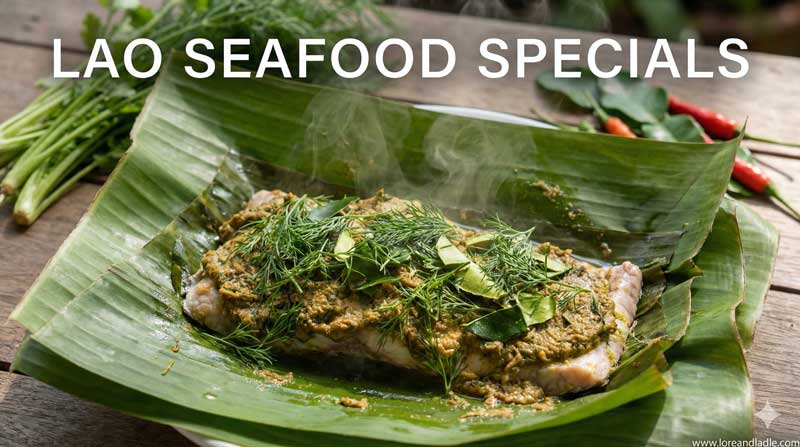
Balanced Lao Seafood Specials Ideas with Veggies and Grains invites readers into a bright, fragrant table of Lao flavors. This dish stands as a clear expression of Lao culinary values: balance, freshness, and respect for seasonal ingredients. Fresh seafood from rivers or markets, crisp vegetables, and simple grains come together with bright herbs and a light seasoning. The result Is a plate that feels both welcoming and refined. The dish honors daily life as well as gatherings, making each bite a reminder of shared meals and careful preparation.
What makes this Lao dish special
In Lao cooking, balance is a guiding principle. Sour, salty, and herbal notes mingle with the natural sweetness of seafood. Vegetables provide crisp contrasts, while grains offer a comforting backbone. This dish showcases that harmony through thoughtful combinations rather than heavy sauces. Its beauty lies in its restraint: a clean composition that lets each ingredient speak. The result is a meal that is easy to appreciate but rich in nuance.
The balance of flavors, vegetables, and grains
At the heart of Balanced Lao Seafood Specials Ideas with Veggies and Grains is a harmony of elements. Seafood provides a delicate sweetness and a lean protein source. Vegetables add brightness, color, and crunch. Grains—such as sticky rice or a lighter rice—anchor the dish with gentle starch and texture. The seasoning tends to be bright and fresh: citrusy lime, fragrant herbs, a touch of fish sauce for depth, and sometimes a hint of chili for warmth. This balance invites careful tasting, with no single note overpowering another.
Key ingredients and techniques
The dish features high-quality seafood, which can be river fish or shrimp, prepared simply to maintain its natural flavor. Vegetables are chosen for color and texture—cucumbers, leafy greens, tomatoes, and crisp beans or carrots work well. Grains emphasize the sense of nourishment and daily life; sticky rice is a common choice in Lao homes, while jasmine or brown rice appears in other settings. Techniques emphasize gentle heat, quick searing, steaming, and light tossing. Fresh herbs such as mint, cilantro, and dill add aromatic lift. A squeeze of lime finishes the plate, brightening the flavors and tying the components together. The result is a dish that feels light yet complete.
Cultural role in Lao dining
This dish speaks to Lao hospitality and the joy of sharing a table. Markets bustle with the scent of herbs, fish, and grains, and families assemble meals with care. The dish reflects a culture that values harmony, seasonal abundance, and mindful preparation. It is common to serve a plate like this with a side of fresh herbs and lime wedges, inviting guests to customize each bite. In essence, the dish mirrors daily life: simple, nourishing, and social. It becomes a small ceremony of gratitude for fresh ingredients and skilled hands.
Regional voices and variations
Laos spans river valleys and hill regions, and this dish adapts with local colors. In river towns, anglers bring in the freshest fish, and greens from nearby markets shape the vegetable mix. In upland areas, millet or brown rice can replace sticky rice, adding a nutty note. Across regions, herb choices vary, but the core idea remains the same: seafood, vegetables, and grains arranged for balance and ease. This flexibility celebrates regional flavors while preserving the universal appeal of a well-composed Lao plate.
Techniques that honor Lao tradition
The technique is less about showy tricks and more about respect for ingredients. Clean knife work preserves texture. A light sear on seafood preserves moisture and keeps flavors pure. Vegetables are often blanched or briefly grilled to retain color and snap. Dressed or tossed lightly with lime and fish sauce, the components stay distinct yet cohesive. Plating emphasizes color contrasts and orderly arrangement, inviting the eye as well as the palate. This approach reflects Lao culinary philosophy: let nature’s flavors lead, then gently unite them.
Serving context and etiquette
Traditionally, Lao meals are communal and inviting. A dish like this is ideally shared, with bowls of sticky rice ready for scooping. Guests may mix a little seafood with vegetables on their plate, then add grains and a final squeeze of lime. The social act of sharing fosters connection and appreciation for fresh ingredients. Serving this dish at gatherings honors both the individuals who prepared it and the people who come together to enjoy it.
Sensory notes: aroma, color, and texture
A well-prepared plate offers a bright aroma from herbs and lime, a soft aroma of seared seafood, and a fresh scent from greens. The colors—green from herbs and vegetables, pale tones from seafood, and the warm white of rice—create an inviting presentation. Textures vary: crisp vegetables, tender seafood, and the gentle chew of grains. The balance of textures makes each bite interesting and satisfying.
Pairings and serving ideas
Pair the dish with an extra wedge of lime, a handful of fresh herbs, and a light dipping sauce if desired. A simple cucumber salad can accompany it for extra crunch. For a traditional touch, serve with a side of extra sticky rice and a clear broth on the side to cleanse the palate between bites. The goal is to enhance the dish’s brightness and ensure a comfortable, well-rounded meal.
Sustainability and community value
Using locally sourced seafood, garden vegetables, and regionally grown grains supports farmers and fishers. Seasonal produce ensures peak flavor and reduces waste. This approach aligns with a respectful food culture that values stewardship of land and water. By choosing ingredients close to home, cooks contribute to healthy ecosystems and vibrant local markets.
Final reflections
Balanced Lao Seafood Specials Ideas with Veggies and Grains stands as a vivid testament to Lao culinary artistry. It celebrates balance, freshness, and community in a single plate. The dish invites careful attention to ingredients and a shared sense of occasion. Its beauty lies in how simply and gracefully different elements come together, revealing the quiet elegance of Lao food culture.
If you’re curious to explore Lao flavors further, start with this balanced concept and adapt it to the ingredients available in your kitchen. You’ll discover how a well-composed plate can carry stories of rivers, markets, and family tables into every bite.