
Introduction
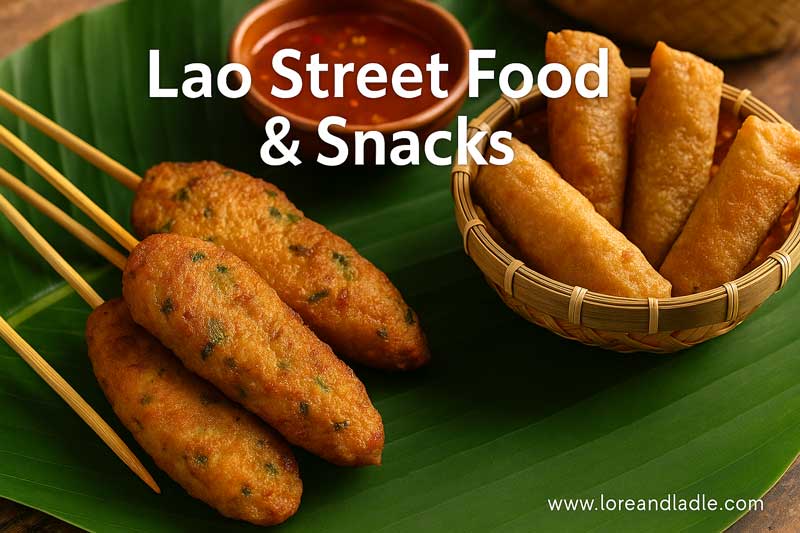
Balanced Lao Street Food & Snacks Ideas with Veggies and Grains is a doorway to everyday Lao life. It blends bright vegetables, wholesome grains, and simple seasonings into plates that feel both comforting and exciting. This dish honors street food as a community craft, where vendors, neighbors, and friends come together to share flavors and stories. The result is a meal that is easy to love and easy to learn from.
Cultural Value and Culinary Significance
In Lao towns and markets, meals begin with balance. The dish reflects a core idea in Lao cooking: harmony among textures, colors, and tastes. Fresh herbs wake the senses, crunchy vegetables add brightness, and grains provide a steady, comforting base. People savor the way each bite can be light or hearty, spicy or mild, all in one mouthful. The practice of assembling snacks on the move shows respect for craft and time, turning simple ingredients into a moment of daily gratitude. Sharing these plates strengthens neighborhood bonds and invites curiosity about new produce and techniques. The dish also shines a light on seasonal produce, local herbs, and small bites that pair well with a warm day or a lively evening.
Key Components
- Sticky rice or other light grains as the foundation.
- Fresh vegetables such as cucumber, lettuce, cabbage, herbs, and sprouts.
- A bright mix of herbs like mint, cilantro, dill, and green onions.
- Savory and tangy dips or dressings built from lime, fish sauce, chilies, and garlic.
- Small, flavorful add-ins like roasted seeds, nuts, or fried shallots for texture.
- A balance-driven sauce that harmonizes sweet, sour, salty, and spicy notes.
This combination lets cooks highlight texture and color. The vegetables provide crisp sweetness, while grains give substance. Fresh herbs lift the plate with fragrance and brightness. The sauces tie everything together with a clean, refreshing finish. Each element plays a part in the overall balance that Lao cooks prize.
Techniques and Flavor Balance
Cooks aim for a bright, clean taste. They often cut vegetables thin for quick, even bites. Grains stay fluffy but not dry, because moisture from herbs and dressing keeps the plate lively. Dips and dressings are built in layers: first a salty note from fermented fish sauce, then a sour zing from lime, then a gentle heat from chilies. Fresh herbs are added at the end to preserve their aroma. The result is a plate that feels light on the palate yet satisfying in texture. This approach highlights the cook’s skill in gathering simple ingredients and turning them into something memorable.
Regional Variations
In Lao cuisine, regional markets adapt the dish to local produce. Rural areas may showcase more greens and radish, while city neighborhoods highlight a wider mix of herbs and crunchy toppings. Each locale brings its own twist on balance, from the proportions of vegetables to the strength of herbs. Regardless of the corner of the country, the principle remains: fresh produce, a steady grain base, and a bright, balanced sauce. This shared approach creates a sense of unity across places while still celebrating local flavors.
Serving, Plating, and Sharing
Plate the components in a way that invites dipping and mixing. Offer the grains as a central bed, with vegetables arranged around it. Put the herb mix on top so aroma rises with each lift of the fork. Small bowls of sauce can be passed around, encouraging everyone to adjust flavors to personal taste. The beauty of this dish lies in its inclusivity: a plate that welcomes different bites, textures, and preferences. Sharing such plates turns a quick snack into a social moment, where conversations bloom with every bite.
Pairings and Menu Ideas
This dish pairs well with light beverages like citrus-infused water or steamed bean tea. Fresh fruit cuts a warm spiciness nicely. For a fuller experience, add grilled vegetables or a small portion of grilled fish or tofu as a protein accent. The idea is to keep the plate balanced while letting each ingredient shine. In this way, pairs and plates become a tiny, respectful festival of Lao flavors.
Making It at Home
- Choose fresh, crisp vegetables and a fragrant mix of herbs.
- Prepare the grain base so it is soft and warm, not sticky-heavy.
- Build your dressing with lime juice, a touch of fish sauce, garlic, and chili.
- Layer textures by adding nuts or fried shallots at the end.
- Plate with space around the edges to keep colors bright and inviting.
- Taste gradually and adjust the balance to your preference.
The joy of this dish is in the careful balance of straightforward ingredients. Home cooks can explore by swapping in regional herbs or new vegetables while keeping the core idea intact. The result is a personal, delicious expression of Lao street food culture, right at your table.
Final Thoughts
Balanced Lao Street Food & Snacks Ideas with Veggies and Grains invites us to slow down and savor daily life. It shows how simple components—greens, grains, and a bright sauce—can create a plate that feels thoughtful and complete. By honoring balance, freshness, and sharing, this dish reveals the beauty at the heart of Lao culinary culture. It is a tribute to makers, markets, and meals that connect people through flavor.