
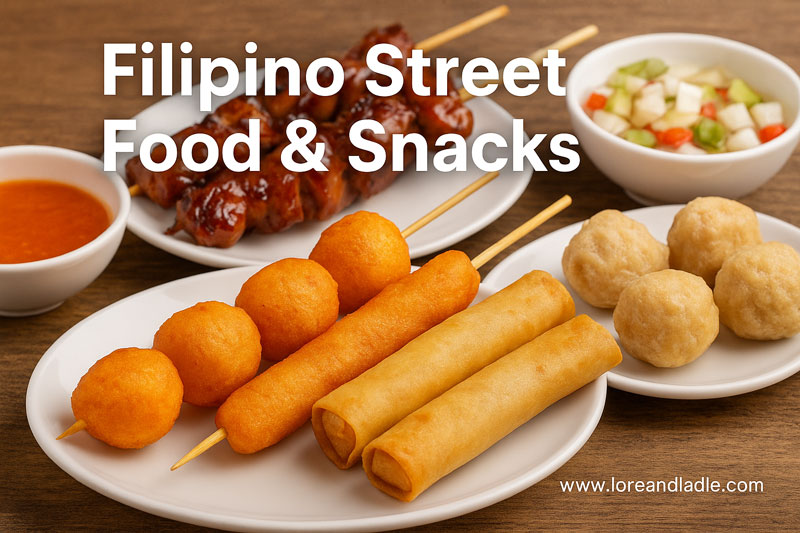
Introduction
Food has a way of inviting warmth into a room. Easy Banana Cue Ideas Americans are loving for beginners in Filipino food is a small, friendly dish that often appears on snacks tables, street stalls, and family gatherings in the Philippines. It combines simple ingredients with a comforting texture, creating a treat that feels familiar and yet fresh. This post explores the dish with a focus on flavor, texture, and everyday joy. It shares high-level recipe ideas, not step-by-step instructions, and shines a light on the cultural sweetness behind the snack. In that spirit, Easy Banana Cue Ideas Americans are loving for beginners in Filipino food invites curiosity and appreciation for bright, caramel-kissed fruit, paired with a gentle crunch and a mellow, fruity aroma.
Flavor and Texture: What makes it appealing
The core idea behind Easy Banana Cue Ideas Americans are loving for beginners in Filipino food is balance. The banana provides sweetness and a creamy bite, while the coating adds a caramelized crust that crackles softly in the teeth. The result is a contrast of textures: a crisp exterior that gives way to a tender, almost custard-like center. The flavor is warm and inviting, with a gentle caramel note that comes from letting sugar mingle with the fruit’s natural sugars. There’s rarely anything sharp or tart here; instead, you encounter a smooth, mellow sweetness that invites another bite.
A key character in this dish is the banana itself. In the Philippines, cooks favor a sturdy, flavorful variety that holds its shape when fried. When that banana meets heat and a touch of sugar, it releases its aroma—the fruitiness becomes a warm, comforting scent that lingers just enough to signal a snack is ready. The surface sweetness can be nuanced by touches like coconut, sesame, or peanut, which add texture and a little extra flavor without overpowering the fruit. Easy Banana Cue Ideas Americans are loving for beginners in Filipino food celebrate this gentle layering of taste, where each bite presents a soft center, a glossy sugar veil, and a light, satisfying bite.
Cultural Value and Traditions: A simple, shared snack
Food often travels from kitchens to gatherings with a quiet grace. Easy Banana Cue Ideas Americans are loving for beginners in Filipino food sits comfortably in this space, offering a snack that is easy to share and easy to love. In Filipino culture, snacks like this are commonly enjoyed during merienda—a light mid-afternoon or early evening pause that offers a moment to chat, rest, and reconnect with friends and family. The dish is well-suited to these moments because it is uncomplicated yet delicious, something that can be prepared with care and shared with neighbors, classmates, or relatives.
This snack also appears in festive settings and local markets, where cooks present a line of sweet treats with calm confidence. The charm lies in its straightforward approach: ripe fruit, a hint of sugar, and a friendly crunch. There is a sense of continuity here—the dish honors time-honored methods of cooking with simple ingredients, yet it remains accessible to people who are just discovering Filipino flavors. Easy Banana Cue Ideas Americans are loving for beginners in Filipino food reflect a respectful nod to a kitchen tradition that values warmth, generosity, and a shared table.
Variations and high-level concepts: Creative ideas without detailed steps
Food is alive when people put their own stamp on it. Here are high-level concepts inspired by Easy Banana Cue Ideas Americans are loving for beginners in Filipino food that keep the spirit of the dish while offering new textures and notes. Each idea stays within a comfortable, easy-to-enter zone for beginners and cooks who want a gentle twist rather than a full reimagining.
- Classic caramel-coated cue: The faithful version, emphasizing the sweet, caramel-scented glaze that surrounds the banana and creates a glossy surface.
- Coconut kiss: A light dusting or coating with shredded coconut for extra texture and a hint of tropical aroma.
- Peanut crunch: A touch of crushed peanuts or peanut coating adds a savory, nutty contrast to the sweetness.
- Sesame snap: A sesame seed coating brings a toasty, nutty bite that pairs well with the fruit’s softness.
- Chocolate drizzle: A light drizzle of chocolate over the finished cue offers a gentle chocolate note without overwhelming the banana’s flavor.
- Cinnamon glow: A whisper of cinnamon or a cinnamon-sugar mix adds warmth and depth.
- Palm sugar depth: Using palm sugar in the glaze can yield a richer, deeper caramel flavor with a slight caramel-toffee edge.
- Nut and fruit fusion: A combination of small seeds (like sesame) with crushed nuts and coconut for a textural collage.
- Mini cues for sharing: Smaller, bite-sized versions that are easy to pass around at gatherings or set on a dessert table.
- Plantain-friendly cue: When available, using a sturdier fruit like plantain can offer a firmer bite while maintaining sweetness.
These ideas celebrate flavor and texture without demanding a strict recipe. Easy Banana Cue Ideas Americans are loving for beginners in Filipino food can be enjoyed in many ways, from simple at-home experiments to small party displays.
Occasions and moments: When people reach for it
This snack finds room in many everyday occasions. Easy Banana Cue Ideas Americans are loving for beginners in Filipino food are popular during casual afternoons and weekend gatherings, where family and friends share a relaxed, unhurried time together. They are also common at small celebrations, market stalls, and school events, where simple, joyful sweets brighten the day. The dish works well in:
- Merienda moments: A friendly break between activities, offered with a cup of coffee, tea, or a cold drink.
- Family gatherings: A shared treat that invites conversation and a sense of togetherness.
- School and club events: A snack that travels well and fits into a casual, upbeat atmosphere.
- Local markets and fairs: A sweet option that pairs nicely with other small bites and encourages people to browse with a smile.
- Picnics and outdoor events: A handheld treat that travels without fuss and can be enjoyed in a sunny setting.
Across these occasions, the dish keeps its calm, inviting character. It doesn’t demand attention with flash or drama; it earns appreciation through the simple joy of a warm, sweet bite.
Serving ideas and presentation: Fresh, friendly, and adaptable
Easy Banana Cue Ideas Americans are loving for beginners in Filipino food invites thoughtful presentation that suits different spaces. On a plate, a few skewered cues arranged with care can look both appetizing and approachable. For a casual table, you can add a light garnish—perhaps a sprinkle of sesame or a few coconut shavings—to offer a visual cue to the flavors inside.
Pairings matter, too. A warm beverage, like coffee or a mug of tea, complements the sweetness without competing with it. If you want a little contrast, a small cup of salted nuts or a mild yogurt dip can provide a gentle balance that highlights the banana’s softness and the glaze’s sweetness.
The idea behind Easy Banana Cue Ideas Americans are loving for beginners in Filipino food is to keep the presentation friendly and simple. A neat arrangement, a clear label, and a short note about its origin can make the experience more engaging without becoming fussy. The goal is to invite curiosity while honoring the dish’s straightforward charm.
Getting started for beginners: Focus on fundamentals
For those who want to explore this dish without getting into heavy kitchen routines, here are approachable guidelines that keep the focus on flavor and joy rather than technique. Easy Banana Cue Ideas Americans are loving for beginners in Filipino food can be a springboard into Filipino flavors with confidence.
- Choose ripe, sturdy fruit: A sensible starter is to look for bananas that are sweet and firm enough to hold together when heated.
- Keep the coating simple: A light sugar-based glaze or a soft coating that forms a glossy layer works well and keeps the dish approachable.
- Think texture: The appeal comes from a balance of a gentle exterior crunch and a soft interior. Consider coatings that deliver a tiny crisp bite without being too heavy.
- Consider variations for taste or dietary needs: If you prefer a milder aroma, skip stronger spices. For a crunchier bite, some toasty seeds or nuts can be added as a finishing touch.
- Mind the pairing: Serve with a warm drink or a small, cool accompaniment to highlight the sweetness without overpowering it.
- Focus on joy and sharing: The dish is perfect for friendly gatherings and quiet moments alike. Let the experience be about warmth and connection as much as taste.
- Safety and handling: If you are serving to children or guests, keep the items at a safe temperature and avoid overly hot servings. A little care goes a long way in making the moment comfortable for everyone.
This practical approach aligns with the spirit of Easy Banana Cue Ideas Americans are loving for beginners in Filipino food, encouraging a relaxed and enjoyable cooking experience without complicated steps.
Closing reflections: The enduring warmth of a simple snack
In the end, Easy Banana Cue Ideas Americans are loving for beginners in Filipino food represents more than a sweet treat. It is a small ritual that celebrates fruit, sugar, and heat in a gentle, nourishing way. The dish invites conversations, shared moments, and the quiet pleasure of tasting something that feels both familiar and new. It is easy to imagine a summer afternoon, a table set with a few skewers, and friends gathered to enjoy something sweet and bright. The dish carries a sense of hospitality and care, a reminder that good food often grows from simple ideas.
As you explore Easy Banana Cue Ideas Americans are loving for beginners in Filipino food, you may discover your own favorite variations, textures, and pairings. The core idea remains steady: alongside a soft banana, a caramel surface and a comforting bite create a friendly, memorable experience. It invites a sense of home, a moment to slow down, and a shared bite that can brighten any afternoon. If you are starting your own kitchen journey with Filipino flavors, this snack offers a welcoming doorway—an easy way to savor a tradition, learn a little, and build confidence with each bite.
Final thought: Enjoy Easy Banana Cue Ideas Americans are loving for beginners in Filipino food as a simple, warm invitation to taste and learn. The dish stands as a gentle example of how flavor, texture, and tradition can come together in a single, satisfying moment. Whether you serve it at a casual get-together, a weekend stroll through a market, or a quiet afternoon at Home, the experience remains the same: a tiny, comforting joy that invites sharing and conversation.