
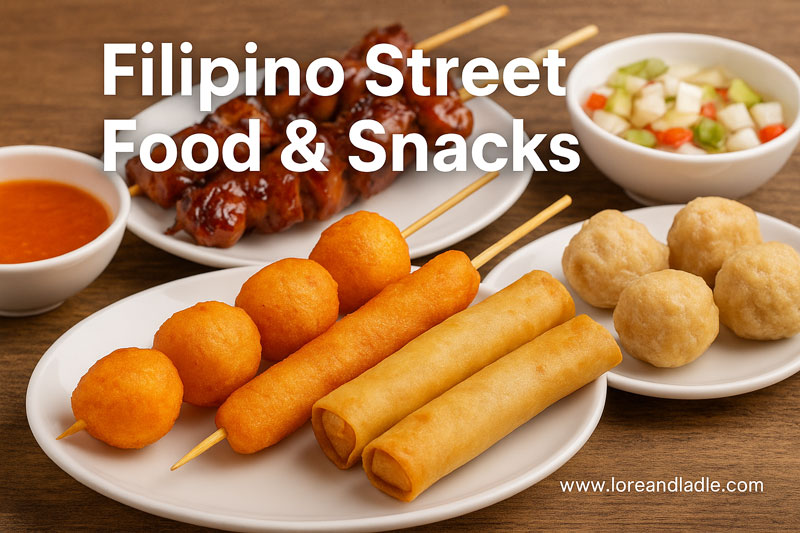
Why Banana Cue Is a Must-Try Filipino Dish that are trending in America
When people talk about Filipino street foods making a relaxing, sweet statement in America, banana cue often rises to the top. This simple treat pairs a ripe banana with a caramelized sugar coating and a warm, friendly crunch. It is easy to love, easy to share, and easy to fit into many moments of daily life. Why Banana Cue Is a Must-Try Filipino Dish that are Trending in America is not just about taste; it is about a small, comforting ritual that travels well and welcomes everyone to the table.
Banana cue is a humble snack with big appeal. It uses yellow-skinned saba bananas or plantains, skewered for easy handling, and fried to create a crisp shell that gives way to a soft, sweet interior. The sugar caramelizes during frying, producing a glossy coat and a toasty aroma. The result is a balance of gentle sweetness, a hint of salt, and a toasty, cozy scent that lingers as you take your first bite. As it travels across borders, Why Banana Cue Is a Must-Try Filipino Dish that are trending in America echoes in many menus, street carts, and tucked-away food stalls that celebrate familiar flavors with new audiences.
The Flavor Profile and Texture You Can Expect
The core delight of banana cue comes from contrasts. The outer layer is lightly crisp, a delicate caramel crust formed by melted sugar. Inside, the banana remains tender and creamy, its flavor intensified by the heat and the natural sugars released during frying. The brown sugar or muscovado glaze adds a warm, almost caramel-like richness, with a touch of molasses that deepens the sweetness in a comforting way. Some cooks sprinkle a pinch of salt to heighten the flavor and to create balance against the sweet coating. The aroma is inviting—banana, caramel, a hint of fried oil, and a toasty edge that makes your mouth water before you even bite.
Texture plays a crucial role in the experience. The first crunch from the caramelized sugar gives way to a soft, silky banana interior. The combination feels familiar and satisfying, a little bit playful, and a lot comforting. This is not a complicated dish, but its textures show the care behind good street food: speed of frying, careful coating, and a moment to rest on the stick so you can pick it up and enjoy it warm.
Key Characteristics of Banana Cue
- Simple, few ingredients: bananas or plantains, oil for frying, and brown sugar or muscovado.
- Skewered for easy handling, making it a social-friendly snack to share with friends and family.
- Golden to amber color on the exterior, with a glossy sugar crust that signals caramelization.
- A fragrance that blends warm fruit notes with sweet, toasty sugar.
- versatility in how it is served: on its own, with a drizzle of condensed milk, or with a light sprinkling of sesame seeds or coconut.
These features, rather than elaborate techniques, define why banana cue has a broad appeal. The dish shines in its simplicity and in the way it invites conversation as people gather around a cart or a kitchen counter. It is a snack that says warmth and welcome, a small indulgence that feels both familiar and new in different settings.
Occasions and Ways People Enjoy It
Banana cue fits many moments. It can appear as a quick afternoon treat after school or work, a post-meal sweetness, or a playful addition to a casual gathering. It travels well, so street vendors and pop-up stalls find opportunities to offer it at events, fairs, and markets. You may see it paired with a hot beverage, such as coffee or a cafe au lait, turning a simple snack into a cozy pairing that suits cooler weather or late-night chats.
At home, families often enjoy banana cue as a casual snack after dinner or as a quick treat when guests arrive. It can be part of a larger spread of finger foods or a standalone bite that sparks conversation. Many people like to customize the dish with toppings or dips—think a light drizzle of condensed milk, a sprinkle of toasted sesame seeds, or a dusting of cocoa powder for a gentle twist. The approach remains centred on sharing and togetherness, rather than making a show of flair. The beauty of banana cue is that it adapts to the moment—simple, heartfelt, and always approachable.
Non-Political Traditions and Cultural Value
In everyday life, banana cue embodies a tradition of simplicity and hospitality. It is a favorite street-food item that invites people to pause, smile, and enjoy a small moment of sweetness. The act of sharing skewered sticks with friends or relatives creates a sense of community and warmth that transcends age and background. There is no need for elaborate setting or ceremony to enjoy it; the pleasure comes from the familiar flavors and the friendly, informal atmosphere that accompanies the snack.
The dish also demonstrates how traditional flavors can travel and find resonance in new places. The core idea—caramelized banana on a stick—translates well across cultures, inviting people to appreciate the balance of sweetness, fruitiness, and a touch of salt. This cultural value centers on accessibility and inclusivity: a simple, tasty snack that many can enjoy without ceremony, yet still feel a sense of connection to a larger culinary tradition.
High-Level Recipe Ideas and Variations
If you are exploring high-level ideas to capture the essence of banana cue at home or in a small kitchen setting, consider the following concepts:
- Classic banana cue reimagined: Use saba bananas or ripe plantains, fry until the exterior is crisp, and coat with a generous layer of brown sugar. Serve warm on skewers.
- Lighter version: Bake or air-fry the coated banana slices with a light brush of oil to achieve a similar caramelized result with less oil.
- Coconut-sesame twist: After frying, roll or sprinkle with toasted sesame seeds and a pinch of shredded coconut for added texture and aroma.
- Condensed milk drizzle: A light drizzle of sweetened condensed milk adds creaminess and a gentle sweetness that complements the caramel.
- Chocolate-glaze option: A quick drizzle of melted dark chocolate over the warm cue adds a contrasting flavor profile that appeals to chocolate lovers.
- Plantain variation: If saba bananas are not available, use ripe plantains that have a similar sweetness and texture, and adjust ripeness for the preferred level of sweetness.
These ideas offer a starting point to experiment while keeping the dish’s core character intact: a sweet, fried fruit treat on a stick that delivers warmth, aroma, and a comforting bite.
The Trend in America and What It Says About Shared Food Stories
Why Banana Cue Is a Must-Try Filipino Dish that are trending in America reflects a growing fondness for approachable, flavorful snacks that communities can share easily. American diners are increasingly drawn to foods that feel familiar but offer a gentle twist. Banana cue provides that balance: a universal sweetness with a distinct Filipino touch. It is easy to photograph, easy to pair with beverages, and easy to recreate at home with simple pantry items. The trend shows how people enjoy discovering traditional flavors presented in approachable formats—skewered, fried, and squeezed into a moment of indulgence.
This trend also highlights how food stories travel through daily life. A street cart, a pop-up kitchen, a family gathering, or a casual lunch can become a stage for banana cue to shine. The dish invites curiosity and encourages people to ask questions about ingredients, textures, and the warm memories embedded in a simple snack. Across different settings, the essence remains the same: warm sweetness, a touch of caramel, and the joy of sharing something delicious.
Serving Ideas and Practical Notes for Home Cooks
- Serve warm: The best flavor comes when banana cue is still warm. If you need to hold it for a moment, keep it in a warm, dry place to preserve the crisp edge.
- Pairings: Pair with a simple coffee, a glass of milk, or a light dessert wine. The contrast can balance the sweetness nicely.
- Presentation: Present banana cue on a plate with a few sticks resting in a gentle arrangement. A small bowl of sauce or milk may enhance the experience, but keep it optional to preserve the snack’s clean, simple character.
- Storage: If you have leftovers, store in a sealed container and rewarm gently to refresh the crispness of the outer layer.
Final Reflections
Banana cue offers a thoughtful example of how a straightforward dish can carry warmth, character, and a sense of tradition into modern settings. It isn’t about complexity; it’s about balance—sweetness with a hint of salt, caramelized sugar with tender fruit, and a texture that invites both bite and linger. The dish’s accessibility makes it a reliable crowd-pleaser at gatherings, street stalls, and lunch breaks alike. It demonstrates how a beloved snack can flourish in new places while preserving its core appeal.
Why Banana Cue Is a Must-Try Filipino Dish that are trending in America continues to be a gentle reminder that good food often travels best in simple forms. A skewer, a kiss of sugar, and a warm bite can connect people through shared moments of comfort and delight. Whether you discover it at a bustling market, a cozy kitchen, or a quiet corner of a cafe, banana cue invites you to slow down, savor a sweet note, and appreciate a small culinary joy that travels well.