
Beef Rendang Recipe That U.S. Food Lovers Are Craving Right Now
Beef Rendang is more than a dish. It is a celebration of aroma, texture, and patience. In homes and kitchens across the United States, it has become a beloved favorite for gatherings and quiet dinners alike. The recipe speaks to a culture that treasures depth, balance, and the beauty of slow cooking. This post invites you to explore its cultural value and culinary significance.
What makes Beef Rendang special?
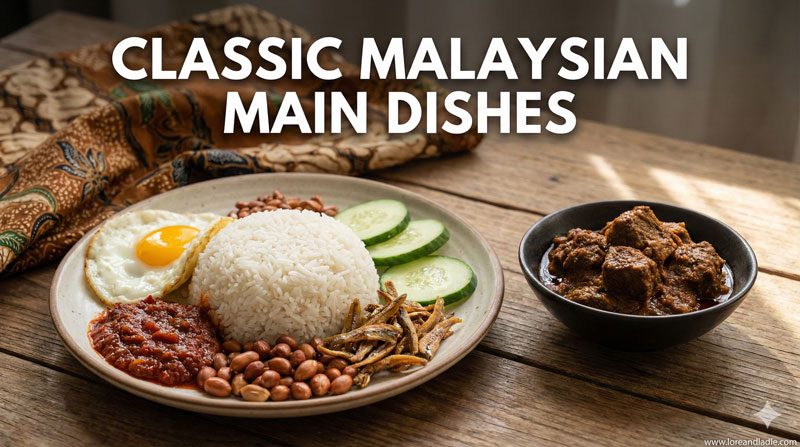
Rendang arrives with a warm, inviting scent that lingers. The beef braises in a thick, fragrant sauce until the meat absorbs a complex blend of spices and coconut milk. The result is tender beef that remains juicy, surrounded by a glossy, richly brown glaze. Every bite carries a harmony of heat, sweetness, and citrusy brightness. The dish showcases a philosophy of cooking that respects time, allowing flavors to unfold with care.
Core ingredients and flavors
The flavor map is vivid and balanced. Common components include:
– Beef, cut for slow cooking
– Coconut milk for body and sweetness
– A spice paste with shallots, garlic, and ginger
– Lemongrass, galangal, and turmeric leaves for brightness
– Kaffir lime zest or leaves for citrus lift
– Dried chilies and fresh chilies for warmth
– Toasted spices such as coriander and cumin for depth
These elements work together to create a sauce that clings to the meat, enhancing every bite with layered notes. The preparation highlights how simple ingredients can yield extraordinary richness when treated with care and technique.
The cooking technique: slow braise
The essence lies in the method. First, cooks sear the beef to develop surface flavors. Next, they simmer the meat in Coconut milk and spice paste, letting the sauce reduce slowly. As the liquid thickens, the beef absorbs more color and aroma. This slow braise requires gentle heat and patience, allowing the fat to emulsify with the sauce. Finally, the mixture reaches a lush, nearly dry glaze that coats each piece with glossy lacquer. The result is a texture that feels both tender and roasted, a testament to careful timing and balance.
Cultural value in the kitchen
Rendang holds a place of honor in many culinary traditions for its generosity and warmth. It is a dish shared during celebrations and festive meals, where families gather to savor a long-cooked feast. The act of preparing rendang can be a humane expression of hospitality, inviting guests to taste a range of spices and textures. Its aroma signals welcome, and its depth invites conversation. In this sense, rendang is less a single dish and more a ritual of savoring, patience, and togetherness.
Regional styles and culinary storytelling
Within the broader category of rendang, regional styles offer small but meaningful variations. Some versions emphasize a drier texture, with less sauce and a stronger caramelization on the meat. Others emphasize a paste that remains velvety and saucy. These differences tell stories about local tastes, available ingredients, and the skill of the cook. Across regions, the core spirit stays the same: a beef piece that unfolds its character slowly, enriched by coconut and spices.
Pairings and serving traditions
Rendang shines when paired with simple accompaniments. White rice provides a clean counterpoint to the sauce’s intensity. Steamed vegetables or a bright lime salad can balance the richness. A small dollop of tangy sambal adds a spark of heat. Fresh herbs, such as cilantro or chopped scallions, finish the plate with a hint of green contrast. The pleasure lies in the contrast between a deeply flavored main and fresh, light sides.
Tips for recreating at home
- Use a sturdy pot and a steady simmer to encourage even reduction.
- Brown the beef well before adding the paste for a deeper flavor.
- Let the sauce reduce gradually; patience yields a richer glaze.
- Balance sweetness with a splash of lime juice or tamarind if you like a brighter finish.
- Rest the dish briefly after cooking to let flavors settle.
Final thoughts: embracing a timeless favorite
Beef Rendang offers a thoughtful approach to cooking that resonates with today’s food lovers. It invites us to slow down, to savor the layers of spice, and to celebrate a dish that travels well from kitchen to table. In every bite, you taste a culture’s care for flavor, technique, and hospitality. For U.S. diners seeking a culinary experience that blends warmth, expertise, and heart, rendang remains a beloved choice that continues to inspire and delight.