
Introduction: Beef Rendang and Other Flavor-packed Indonesian Dishes Loved in America
Beef Rendang stands out as a celebration of depth and balance in Indonesian cooking. This post explores its cultural value and culinary significance, along with other flavor-packed Indonesian dishes that have found appreciation in America. The journey reveals how fire, time, and a rich blend of herbs and spices create dishes that feel both comforting and refined. Here, the focus is on craft, hospitality, and the beauty of Indonesian flavors as they are enjoyed across kitchens in America.
Beef Rendang: The heart of flavor and technique
Rendang begins with a symphony of spices ground into a fragrant paste. Shallots, garlic, ginger, and galangal mingle with turmeric, lemongrass, and kaffir lime leaves. Toasted spices like coriander and cumin deepen the aroma. Coconut milk adds a creamy sweetness, while tamarind or lime juice provides a bright counterpoint. The beef slowly braises until it becomes tender and richly coated with a dark, caramelized sauce.
The technique is a study in patience. A gentle simmer allows the meat to absorb the paste’s warmth while the liquid reduces to a glossy glaze. In a true rendang, the sauce thickens until it clings to the meat with a nutty, almost dry finish. The result is meat that carries the spice as a quiet confidence, not shouting but inviting another bite.
Flavor, texture, and sensory experience
Rendang offers a layered, multi-sensory experience. The aroma is earthy and bright at once, with citrusy notes from lime leaves and lemon grass. The texture contrasts between tender meat and a slightly crisp, lacquered exterior created by careful reduction. Flavor wise, you’ll notice a balance of savory depth, subtle sweetness, and gentle heat. The coconut milk rounds the spices, producing a velvety mouthfeel that lingers pleasantly.
Indonesian cooks tailor rendang to regional tastes. Some versions lean more toward a dry finish, emphasizing toasty edges and a belt of spice. Others stay a touch more saucy, showcasing the sauce as a spoon-able accompaniment. Regardless of style, rendang remains a dish of restraint and precision, where technique elevates flavor without overpowering it.
Cultural value: Hospitality, celebration, and skill
In Indonesian dining culture, rendang is more than a dish; it is a symbol of care and craft. Making rendang often involves careful preparation in stages, inviting family and friends to share the process and the meal. It is commonly prepared for festive occasions, gatherings, and special menus, where the effort behind a single pot reflects generosity and hospitality.
The dish also serves as a bridge between generations. A perfect rendang often carries the memory of a grandmother’s hands guiding the paste, the clock’s slow tick as flavors deepen, and the quiet pride of presenting something beautifully cooked. In this sense, rendang is a culinary heritage—an edible storyteller that travels with those who cook and eat it.
Rendang in America: Home kitchens and restaurants
In America, rendang finds a welcoming Home in both restaurants and home kitchens. Indonesian restaurants showcase its classic technique and regional variations, inviting diners to explore how spice blends and cooking rhythms shape flavor. Home cooks discover rendang as a project that becomes a comforting daily ritual, a way to reconnect with bold yet balanced tastes.
Adaptations occur naturally with available ingredients. Canned coconut milk and readily found lemongrass or lime leaves help reproduce the signature aroma and creaminess. The dish remains faithful to its core: slow cooking, layered spice paste, and a purposeful reduction that yields depth without haste. This accessibility helps rendang inspire new cooks to experiment while honoring tradition.
Other flavor-packed Indonesian dishes loved in America
Indonesia offers a diverse range of dishes that share a common love for bold spices, bright aromatics, and careful balance. Here are a few beloved options, each bringing its own cultural meaning and culinary appeal:
- Nasi goreng: A fragrant fried rice dish often kissed with sweet soy, garlic, and chili. It is a comforting, versatile meal that shines in homes and on restaurant menus alike.
- Satay: Skewered meat grilled to smoky tenderness, served with peanut sauce. The aroma of charcoal, the sound of sizzling, and the contrast between meat and sauce create a memorable tasting moment.
- Gado-gado: A vibrant salad bowl rich with peanut dressing, tofu or tempeh, and a rainbow of vegetables. The dish celebrates freshness, texture, and a well-balanced sauce.
- Soto ayam: A clear, comforting chicken soup with bright herbs and a gentle spice profile. It offers warmth and nourishment in every spoonful.
- Bakso: Tender meatballs in a flavorful broth, often accompanied by noodles and greens. It is both a street-food favorite and a comforting family staple.
- Sambal: A family of chili pastes that add heat and brightness. It provides a quick path to soulful heat and a touched-of-sunshine finish to many meals.
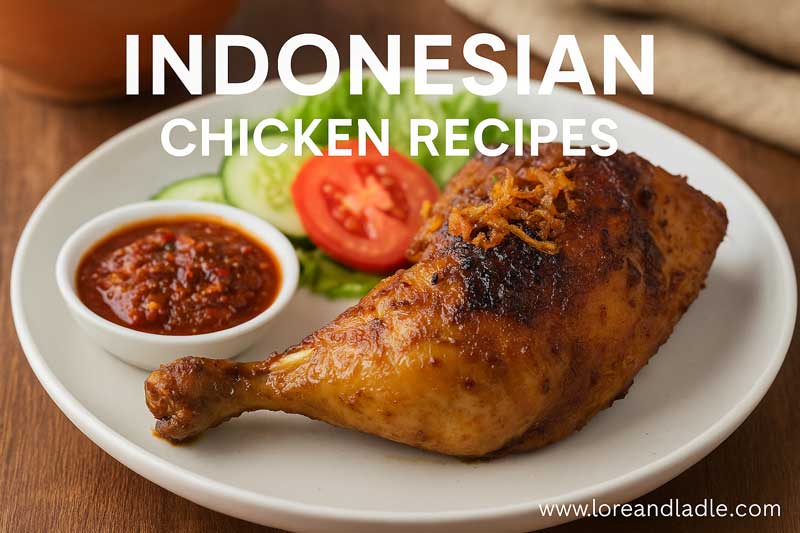
- Ayam penyet: Crispy fried chicken served with a tangy sauce and fresh vegetables. The contrast of textures and the punch of flavors make it a crowd-pleaser.
- Other regional curries and stews: Beyond these, many kitchens showcase regional renditions with unique spice blends and cooking times, each telling a local culinary story.
These dishes share a core idea: Indonesian cuisine thrives on a careful balance of heat, acidity, sweetness, and aroma. They invite cooks to layer flavors, temper sharp notes, and present a meal that feels both wholesome and exciting.
Core techniques and ingredients that shape Indonesian cooking
Several elements define the Indonesian culinary voice. The base “bumbu” or spice paste blends fresh aromatics with dried spices, creating a foundation that can be customized by region and season. Key ingredients include shallots, garlic, chilies, turmeric, and galangal, often joined by lemongrass, kaffir lime leaves, and ginger. Coconut milk or coconut cream adds richness, while tamarind or lime introduces brightness.
Pounding or grinding the spices releases essential oils, and slow cooking unlocks deep resonance of flavor. Roasting spices enhances aroma and complexity. Balancing sweet, sour, salty, and spicy notes is a hallmark of Indonesian cooking, guiding each recipe from morning to night.
Regional variations honor local harvests and tastes. Some kitchens favor coconut-based sauces with a creamy finish. Others emphasize a drier texture with toasted, caramelized edges. Across these styles, the throughline is technique, patience, and a respectful attention to aroma and texture.
Conclusion: A welcoming taste of Indonesian culture
Beef Rendang and the broader family of Indonesian dishes offer a vivid portrait of culinary artistry. They invite cooks and diners to slow down, savor layers of aroma, and celebrate the joy of well-balanced flavors. In America, these dishes continue to enrich menus and home kitchens, enriching conversations about food, skill, and hospitality. The result is a warm invitation: explore the spices, respect the craft, and enjoy the beauty of Indonesian flavors as they are loved in America today.