
Beef Rendang and Indonesian Noodle Favorites Favorites for Indonesian Food Fans in the U.S.
Beef Rendang and Indonesian Noodle Favorites Favorites for Indonesian Food Fans in the U.S. invites readers into a table where patient cooking meets bright, warming spices. The dish pair celebrates shared meals, careful technique, and a living kitchen culture. It is a testament to how flavor, texture, and aroma carry memory and meaning across kitchens and communities. This post highlights the cultural value and culinary significance of these dishes, while staying inviting, respectful, and focused on food as celebration.
The heart of rendang: slow, patient, and deeply flavorful
Beef rendang is a classic of Indonesian cooking, especially in the Minangkabau culinary tradition. The dish begins with simple, robust ingredients: beef, coconut milk, and a bright blend of spices. What follows is a slow, attentive simmer that transforms meat into tender morsels and thickens the sauce into a glossy glaze. The magic lies in patience. Gentle heat, frequent stirring, and time create depth. As the sauce reduces, the flavors concentrate and cling to every bite.
Key aromatics include lemongrass, galangal, turmeric, garlic, shallots, and chilies. Kaffir lime leaves and toasted coconut (kerisik) add brightness and texture. The result is a balance: warmth from spices, creaminess from coconut, a touch of sweetness from palm sugar, and a lingering edge of chili. This harmony is a hallmark of Indonesian cooking—layered, aromatic, and built to be shared at table.
Rendang also carries a social meaning. It is often prepared with care for gatherings, offered to guests with generosity, and presented in a way that invites conversation and pause. The technique itself—browning the meat first, then slow simmering—speaks to a culinary mindset that values depth earned through time. In this way, rendang becomes more than a dish; it is a cultural ritual of hospitality and craft.
Indonesian noodle favorites: a versatile partner in flavor
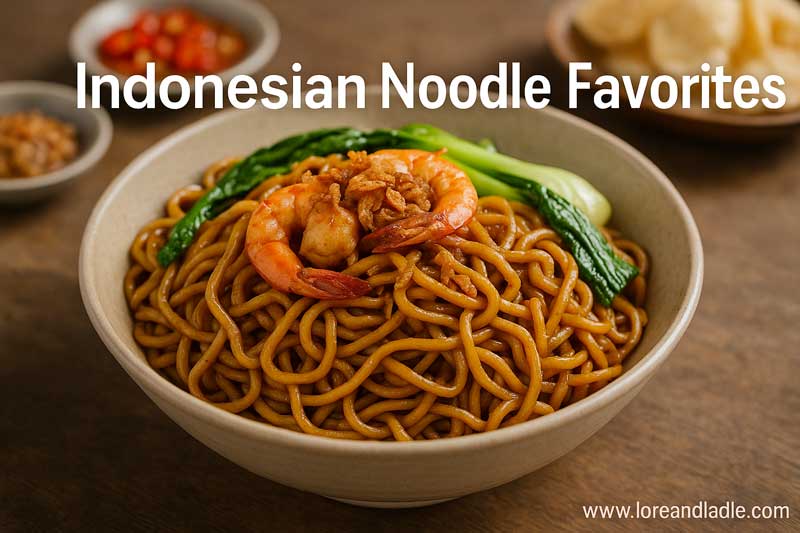
Indonesian noodle dishes provide a vibrant counterpoint to rendang, offering textures that complement rich meat with brightness, crunch, or savory dimension. Popular options include Mie Goreng (fried noodles) and Kwetiau Goreng (fried flat rice noodles). Each variety brings its own character: the soft bite of egg noodles in Mie Goreng, the slightly chewy texture of flat noodles in Kwetiau Goreng, and the quick, high-heat wok technique that seals in color and aroma.
Noodle dishes often emerge from everyday meals as well as festive servings. They act as a welcoming canvas that soaks up sauce, spices, and garnishes. When paired with rendang, noodles provide balance: a lighter, flexible base that carries the rich, aromatic savor of the beef while adding contrast in texture and temperature. This pairing showcases how Indonesian cuisine thrives on contrast and balance, inviting diners to explore layers of flavor in every mouthful.
Craft and technique: how flavor is built day by day
The culinary value of these dishes rests on technique as much as on ingredients. For rendang, toasting spices lightly before grinding draws out essential oils and fragrances. Coconut milk adds creaminess, while palm sugar introduces a gentle sweetness that harmonizes with heat and tang. A final touch, such as fried shallots or a sprinkle of kerisik, heightens aroma and texture.
Noodle dishes rely on quick, precise wok work. High heat, a little oil, and swift tossing create a comforting caramelization on the noodles and vegetables. The result is a dish that feels lively and fresh while maintaining depth of flavor. The kitchen becomes a space of careful timing, where each element is added to fit the moment.
The cultural value of these dishes in the U.S.
For Indonesian food fans in the U.S., these dishes offer a sensory link to home kitchens and shared meals. They embody hospitality, storytelling, and the joy of cooking for others. Preparing rendang alongside a plate of Mie Goreng or Kwetiau Goreng invites conversation about ingredients, regional differences, and personal favorites. The dishes celebrate culinary ingenuity—how simple staples can become a feast through technique, patience, and care.
At restaurants and homes across the United States, rendang and Indonesian noodle dishes act as ambassadors of a broader culinary tradition. They demonstrate how spice, aroma, and texture can travel with grace, adapting to local ingredients while preserving core flavors. The result is a dynamic, welcoming food culture that invites newcomers to taste, learn, and participate in a shared culinary story.
Practical notes for home cooks in the U.S.
- Ingredients: Coconut milk, fresh or dried spices, lemongrass, galangal, and kaffir lime leaves are commonly available in specialty stores. If some items are hard to find, substitutions like lime zest, ginger, or a pinch of nutmeg can preserve the spirit of the flavor. For kerisik, toasted grade coconut adds richness if you choose to skip it.
- Noodles: Mie Goreng and Kwetiau Goreng rely on quick wok work. Use high heat and keep ingredients moving to prevent steaming. Fresh noodles offer a silky texture, while dried noodles are a reliable everyday option.
- Balancing flavors: Aim for a gentle sweetness, a touch of sour from lime or tamarind, and a subtle heat. Taste as you cook, adjusting palm sugar, salt, and lime leaves to fit your palate.
- Planning: Rendang benefits from a slow start. You can marinate meat briefly and begin the cooking process the next day for even deeper flavor.
Serving with grace: presentation and sharing
Plate rendang in a shallow dish that lets the glossy sauce shine. Arrange noodles nearby with fresh herbs or fried shallots as a bright, crisp finish. A light side of cucumber or lime wedges can refresh the palate between bites. The beauty of the spread lies in its balance: a warm, fragrant centerpiece supported by comforting noodles and a colorful array of garnishes.
Conclusion: a celebration of flavor, craft, and connection
Beef Rendang and Indonesian Noodle Favorites Favorites for Indonesian Food Fans in the U.S. celebrate more than taste. They honor artistry in the kitchen, the joy of gathering, and the way food carries culture from kitchen to table. In every simmer, stir, and serve, these dishes reflect a culture that values warmth, balance, and hospitality. They welcome all eaters to explore Indonesian flavors with curiosity and respect, making every meal a moment to savor and share.