
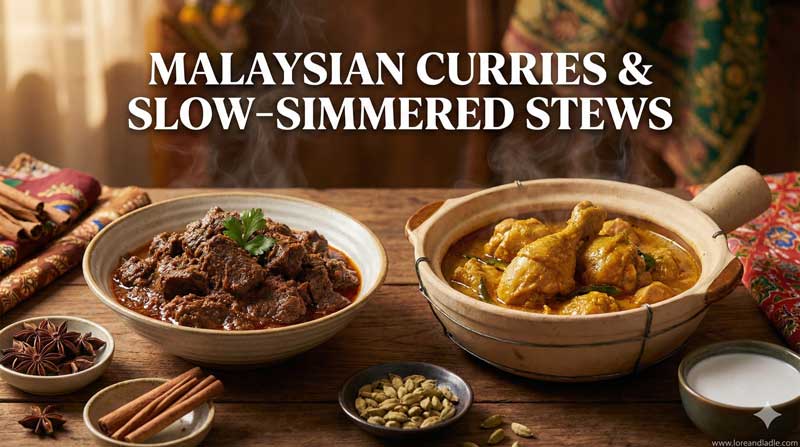
Beef Rendang Recipe That U.S. Food Lovers Are Craving Right Now: An Introduction
Beef Rendang is more than a dish; it is a story told through aroma, texture, and a patient cooking ritual. The version often found on U.S. tables today blends bold spices with a tender, dark glaze that clings to each piece of meat. This post invites you to explore its cultural value and culinary significance. You will discover how Rendang embodies balance, craft, and hospitality, and why it resonates with food lovers across continents. The focus here is on flavor, technique, and the beauty of a dish that invites sharing and conversation.
The Essence of Rendang: Flavor, Texture, and Craft
Rendang centers on slow, attentive cooking. The beef browns, then simmers gently in coconut milk or coconut cream, along with a fragrant chorus of lemongrass, galangal, turmeric, garlic, shallots, chilies, and kaffir lime. The result is a dish that shifts from saucy to almost dry, finishing with a glossy, deep hue and a kiss of caramelization. In this process, moisture reduces while the spices become concentrated, yielding a bouquet that is bold yet balanced. The texture is the star: the beef remains moist, yet deeply infused, with a slightly chewy bite that rewards careful chewing. A secondary layer comes from kerisik—toasted, ground coconut—that can be stirred in to add a toasty, nutty backbone. The aroma rises with every stir, inviting cooks to pause and inhale, then continue. In short, Rendang celebrates transformation: simple ingredients become something richer through time, patience, and a careful touch.
A Craft Passed Through Generations: Technique and Patience
The technique of Rendang is an appreciation of gradual change. Heat is steady, not hurried. First comes the gentle browning of beef to unlock savoriness. Then the aromatics—garlic, shallots, and spices—are heated just enough to release their perfume. Coconut milk is added, and the sauce thickens as it simmers. The key is to keep the curry at a gentle simmer and to stir with intention, so that the pieces of meat are evenly coated and do not burn at the bottom. Over time, the liquid reduces into a glossy glaze that clings to each cut of meat. This is not a fast meal; it is a ritual of patience that honors the meat’s tenderness and the spices’ staying power. The result is a dish that speaks of time spent well, shared meals prepared with care, and a sense of craft handed down with pride.
Regional Roots and Shared Joy: Origin, Hospitality, and Celebration
Rendang has deep roots in the culinary traditions of West Sumatra, especially among the Minangkabau people. It often travels from home kitchen to family gatherings, where the act of cooking becomes a social ritual. The dish embodies hospitality: a generous plate is a welcome to guests, a promise of warmth, and a signal that conversation can begin as flavors deepen. In its regional form, Rendang is part of a wider family of spice-rich dishes that highlight balance—richness from coconut and meat, brightness from citrus and herbs, heat from chilies, and earthiness from toasted spices. While many versions exist, the core idea remains the same: a community-spirited preparation that invites people to slow down and savor every nuanced note. This cultural value—sharing, patience, and warmth—helps explain why Rendang holds a special place on dining tables beyond its place of origin.
The Modern Rendang on the U.S. Table: Adaptation and Respect
Across the United States, food lovers seek dishes that reveal unfamiliar flavors with accessible techniques. Beef Rendang fits this desire well. Home Cooks and professional chefs alike honor the essence of rendang—the long-simmering, spice-forward cooking—while adapting tools and ingredients to what’s available. Some cooks use a heavy pot or a Slow Cooker, others lean into a wok or skillet for a sturdier boundary between the meat and the spice paste. Sourcing authentic aromatics—lemongrass, galangal, turmeric, kaffir lime leaves, and fresh chilies—enriches the experience, while alternative pantry options can still deliver a close, vibrant profile. The result in the United States is a welcomed bridge between Indonesian flavors and local ingredients, creating a shared moment of culinary curiosity and appreciation. In many kitchens, Rendang becomes a centerpiece for tasting menus, family dinners, and cultural celebrations, inviting diners to explore a world of aroma and technique.
Cooking Tips to Honor the Tradition: Practical Steps Without Rushing the Process
- Begin with quality aromatics: fresh garlic, shallots, lemongrass, galangal, and kaffir lime leaves. Toast whole spices lightly to wake their oils.
- Brown the beef first for depth of flavor, using a moderate heat to avoid scorching.
- Build the spice paste with a blender or mortar and pestle for a robust, even fragrance.
- Add coconut milk slowly and maintain a gentle simmer; avoid boiling vigorously, which can toughen the meat.
- If you use kerisik, fold it in toward the end for a toasted, nutty accent that intensifies the glaze.
- Stir regularly to keep the sauce from sticking and to encourage even reduction.
- Let the dish rest for a few hours or overnight if possible; flavors meld and deepen with time.
- Balance salt and sweetness to taste, allowing citrus brightness to peek through at the finish.
- Serve with steamed rice and a simple side of vegetables to highlight the Rendang’s richness without crowding it.
Conclusion: A Dish That Delights and Teaches
Beef Rendang is a celebration of flavor, technique, and shared meals. Its cultural value lies in its patient craftsmanship, its balance of spice and sweetness, and its role as a hospitable centerpiece at gatherings. Its culinary significance rests in the transformation of humble ingredients into a dish with depth and character. For U.S. food lovers, Rendang offers an invitation to slow down, explore new spice profiles, and appreciate a cooking tradition that has stood the test of time. By savoring Rendang, you savor a story of care, community, and the beauty of a well-crafted meal.